

In a move that runs counter to the fast-paced cycle of planned obsolescence, Apple has unexpectedly delivered a critical software patch for devices many considered long past their prime, including some iPhones that are now over a decade old. This decision prompts a deeper look into the digital infrastructure that underpins even our oldest technology, revealing a hidden expiration date on the core functions we take for granted. The update addresses a fundamental issue of digital trust, ensuring that millions of legacy devices can continue to perform their most essential tasks for a little while longer.
Did Apple Just Revive Your Decade Old iPhone
It is a rare occurrence for a technology company to revisit hardware that has long since been discontinued, making Apple’s recent software push for the iPhone 5s and other vintage models a significant event. These devices, which have not received major feature updates in years, were suddenly granted a new lease on life, challenging the industry norm of phasing out support for older products. This action is not about introducing new features or modernizing the user interface; instead, it serves a much more fundamental purpose tied to the device’s ability to communicate securely.
The standard lifecycle for consumer electronics dictates that after a certain period, manufacturers cease providing software support to encourage upgrades and focus resources on current products. This latest update from Apple disrupts that pattern, raising questions about the company’s responsibility to its long-term user base. It highlights a critical, often-overlooked aspect of digital ownership: the ongoing maintenance required to keep even basic functionalities operational in an interconnected world.
The Unseen Ticking Clock on Old Devices
Every smart device relies on a complex system of software and security protocols to function correctly. Over time, as technology advances and security standards evolve, older hardware is often left behind, unable to keep up with the demands of the modern digital ecosystem. This planned end-of-life is a practical necessity for manufacturers, but it creates a ticking clock for users who depend on their devices for daily communication.
The core services that define the smartphone experience, such as messaging, video calls, and even the initial activation of the device, are not self-sustaining. They depend on continuous, secure communication with the manufacturer’s servers. Without periodic maintenance and updates to their underlying security frameworks, these services can fail, effectively turning a once-powerful device into a relic with limited utility.
Deconstructing the Update A Digital Lifeline
The recent patch is best understood as a digital passport renewal rather than a feature-rich upgrade. Its primary mission is to update the security certificates that devices use to verify their identity when communicating with Apple’s servers. This process is akin to a digital handshake, a crucial step that validates the connection and allows for the secure exchange of data for services like iMessage, FaceTime, and the App Store. Without this renewed certificate, older iPhones and iPads would eventually be unable to perform this digital handshake, effectively cutting them off from the very services that make them useful. The update acts as a lifeline, extending the functionality of these core communication tools. According to the technical details of the patch, this intervention is projected to keep these essential services running smoothly until 2027.
The update targets a specific roster of Apple’s past hardware. For instance, iOS 12.5.8 has been rolled out for the iPhone 5s, iPhone 6, and several older iPad models. Correspondingly, devices running outdated versions of iOS 15 and 16 also received similar maintenance patches, ensuring a broad range of legacy products remain functional.
The Consensus This is Maintenance Not a Revival
Industry analysts and cybersecurity experts largely agree that Apple’s move should be viewed as an act of essential technical upkeep, not a renewed commitment to fully supporting these legacy devices. The update is a targeted fix aimed at preventing a widespread service outage for millions of users, which could have significant logistical and reputational consequences. It is a pragmatic solution to a looming technical expiration date.
This distinction is critical for users to understand. While the update ensures that an iPhone 6 can still send an iMessage or make a FaceTime call, it does not fortify the device against modern security threats. The underlying operating system remains vulnerable to exploits that have been discovered and patched in newer versions of iOS, leaving a gap between connectivity and comprehensive security.
What This Means for You A Practical Guide
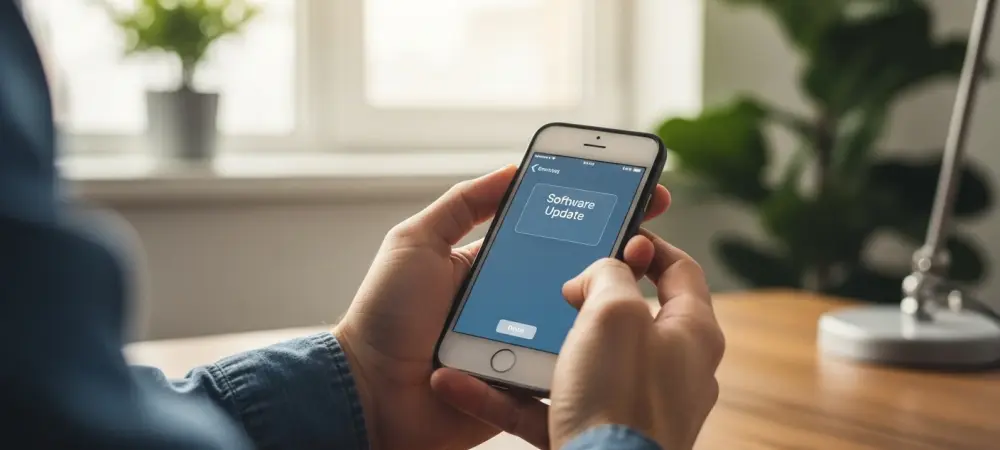
Owners of affected devices can install this vital update by navigating to the Settings app, selecting “General,” and then tapping on “Software Update.” The device will check for the new software, and users can follow the on-screen prompts to download and install it. This simple process is crucial for anyone wishing to continue using the core online services of their older iPhone or iPad.
However, it is imperative to acknowledge what this update does not do. It does not patch the numerous security vulnerabilities present in these outdated operating systems. Consequently, using these older devices for sensitive activities, such as online banking, managing personal data, or even general web browsing on untrusted networks, carries a significant risk. The update restored connectivity but did not restore security, a critical distinction for anyone still relying on this aging hardware. This action by Apple has provided a temporary extension for basic functionality, but it also served as a stark reminder of the finite lifespan of our digital tools.