

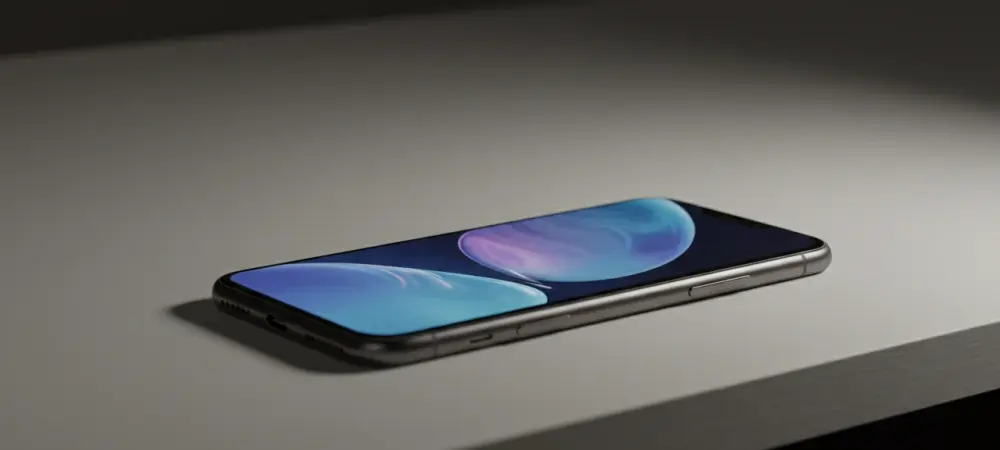
Apple’s iPhone 16, released in September 2024, has stirred the market with its remarkable blend of cutting-edge technology and strategic pricing. Upon its debut, it was priced at Rs. 79,900 in India, a figure that has now somewhat softened to Rs. 72,400 amidst an evolving competitive landscape featuring authorized resellers offering further financial incentives. For instance, cardholders from Axis Bank, ICICI Bank, and Kotak Bank enjoy an additional Rs. 4,000 cashback, reducing the effective price to Rs. 68,400. Moreover, consumers have the opportunity to trade in older smartphones for further discounts, allowing broader accessibility to this technologically advanced device. As the iPhone 16 continues to capture consumer attention and adapt to their financial needs, it also retains its focus on delivering high performance, underscored by its specifications.
Cutting-Edge Features
The iPhone 16 is not just about the price; it’s also about packing advanced capabilities and specifications that set it apart. At its heart is the powerful A18 chip, which works alongside 8GB of RAM and 128GB of storage, ensuring seamless performance and ample space for applications and media. Photography enthusiasts find delight in its dual rear camera system, featuring a 48-megapixel wide camera paired with a 12-megapixel ultrawide lens, offering detailed and expansive shots. The 6.1-inch Super Retina XDR display provides vibrant visuals with a 60Hz refresh rate. Adding to its impressive attributes, the Action Button introduces new ways to interact with the device, further enhancing the user experience. Moreover, while operating on iOS 18, users anticipate an upgrade to iOS 26, which is set to bring a spectrum of improvements in user experience and interface.
Strategic Pricing and Future Prospects
Looking to the future, Apple’s pricing strategy reflects a keen awareness of market dynamics and consumer demand. The company’s decision to allow price flexibility through cashback offers and trade-in programs showcases its adaptability. In addition to banks’ offers, the anticipated Amazon Prime Day 2025 presents consumers with additional opportunities for savings, illustrating the company’s commitment to merging value with innovation. Such promotional tactics point to a broader trend within Apple’s strategy, emphasizing not just incremental technological improvements but also ensuring that innovations remain within reach for a wide audience. These steps are indicative of Apple’s acknowledgment of evolving market pressures and consumer expectations, laying a path toward sustainable growth. As Apple leverages these strategic initiatives, the iPhone 16 remains both a testament to its ongoing product development and a nod to present and future consumer needs.