

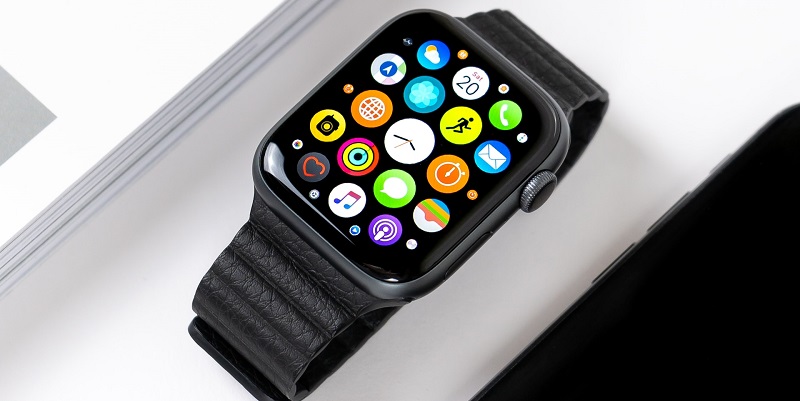
Apple recently unveiled WatchOS 7, which is a major operating system update for the Apple Watch Series 5. The new software update comes loaded with exciting features that are geared towards the watch’s primary focus areas, namely health, wellness, and fitness. In addition, the software also places significant emphasis on personalization, allowing users to customize their watch faces and apps to suit their individual preferences. This article highlights some of the features that come with WatchOS 7, as well as how they benefit users.
Health, fitness, and personalization are major themes in watchOS 10
Apple has always considered the Apple Watch to be a health gadget. The new OS update takes this to the next level by introducing features that enhance the watch’s health and wellness capabilities. With WatchOS 7, users will be able to track their eye health, which is a new type of health measurement for the watch. The ambient light sensor on the watch can now be used to measure the amount of time spent in daylight, which can help prevent myopia, a vision condition caused by spending more time indoors.
Apple has integrated more metrics and workout views for cyclists into WatchOS 10 to cater to the biking community. There is now an increased ability to display extra statistics when connecting to other Bluetooth-enabled bike sensors. This feature ensures that users who enjoy cycling can track their workouts more effectively, providing them with valuable insights that they can use to improve their performance.
Redesigned apps and widgets that provide more information at a glance
Widgets are a must-have feature in any modern smartphone, and with the introduction of watchOS 7, they now come with similar capabilities on the Apple Watch. The widgets are upgraded to surface contextual information throughout the day, which can range from medication reminders to calendar alerts. Additionally, there are newly redesigned apps that now show more information at a glance, making it easier and faster to access relevant information.
New watch faces themed with color palettes and featuring Snoopy and Woodstock of Peanuts fame
Watch faces are a critical aspect of the Apple Watch’s personalization capabilities. watchOS 10 introduces two new watch faces that are geared towards providing more variety to users. One is color-palette themed, and the other is a favorite among Peanuts fans, featuring Snoopy and Woodstock. This addition brings the available watch faces count to over twenty, ensuring that users have a large pool of options to choose from.
New perks for hikers include trail topography and the last cell reception area with the Compass app
Apple has not forgotten about hikers with WatchOS 10 either. The updated Compass app now has the ability to show users the last area where they had cell reception and more details about the topography of hiking trails. This feature ensures that hikers can navigate through new hiking trails with ease by displaying relevant information about their surroundings.
WatchOS 10 is the most comprehensive and focused OS update to the Apple Watch that Apple has ever released. The new software update comes with numerous features that improve the watch’s health, fitness, and wellness capabilities, in addition to enhancing its personalization features. Apple intends to make health and wellness a major selling point for the watch, as more users prioritize their health. Overall, WatchOS 10 comes with significant improvements that make it a major step forward in the development of the Apple Watch.