

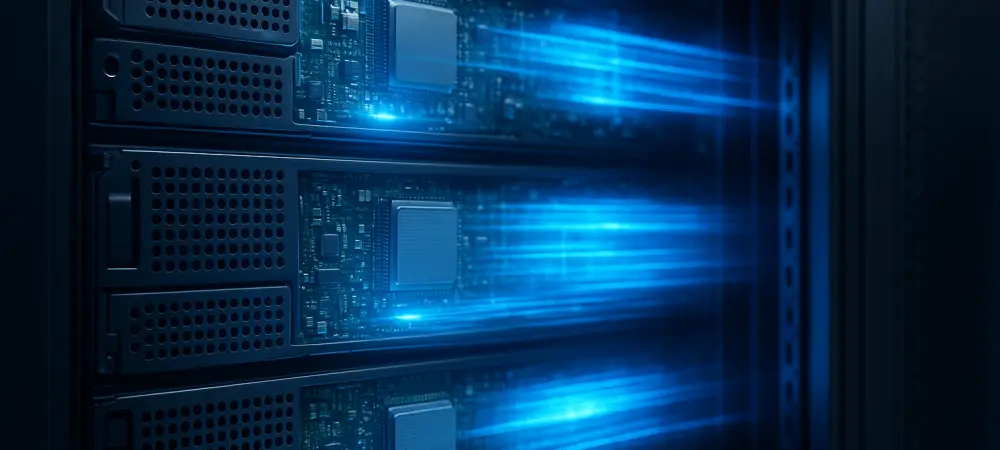
The transition toward complex Apple Intelligence features requires a robust back-end infrastructure that standard commercial servers may not efficiently provide. This fundamental shift marks a departure from the reliance on standard industry hardware that has defined the cloud computing landscape for over a decade. As generative models and local-first intelligence become the standard for mobile and desktop ecosystems, the bottleneck has shifted from software optimization to hardware efficiency. Apple has historically prioritized vertical integration, and the current demands of large-scale neural processing suggest that the company is revisiting its stance on the server market. By designing silicon that is specifically tuned for its own AI frameworks, the organization can reduce the latency and energy consumption that plague generic x86-based data centers. This internal pivot ensures that the massive computational load required for real-time natural language processing and image generation is handled within a hardware stack that reflects the same security and performance standards found in the consumer devices themselves.
The Technical Advantage: Efficiency and Security
Industry anecdotes from specialized data center providers indicate that the current generation of Ultra-class silicon has disrupted traditional billing models that were primarily built around high power consumption. In the current infrastructure environment of 2026, where efficiency is the most significant operational metric, the performance-per-watt achieved by integrated neural engines allows for unprecedented server density. Traditional data centers often struggle with the thermal output of high-end GPUs used for AI training and inference, requiring complex cooling systems that increase overhead. However, the adoption of proprietary silicon in server racks has proven that high-density computing can be achieved without the massive energy footprint typically associated with enterprise-scale artificial intelligence. This efficiency not only lowers the cost of maintaining vast server farms but also aligns with global sustainability initiatives that demand lower carbon emissions from the technology sector. Consequently, the push for internal server production is as much an economic decision as it is a technical one for the broader ecosystem. Beyond efficiency, the integration of the Secure Enclave and unified memory architecture into data center hardware offers a level of privacy that third-party cloud providers struggle to match. The Private Cloud Compute system ensures that data processed in the cloud is just as secure as data residing on a personal device, utilizing a stateless processing model where user information is never stored or accessible by the provider. This sovereign approach to artificial intelligence allows for the execution of complex LLM queries without compromising the core privacy tenets that define the modern user experience. By controlling the entire stack from the silicon to the operating system, the company can verify that every instruction executed on the server is cryptographically signed and secure. This level of oversight eliminates the vulnerabilities associated with multi-tenant cloud environments where different organizations share the same underlying hardware resources. As businesses seek more secure ways to implement AI, the availability of a hardened, proprietary server infrastructure becomes a significant competitive advantage in the high-stakes intelligence market.
Strategic Implementation: From Hardware to Services
The movement toward a specialized server market eventually transitioned into a unique platform model that redefined how enterprise AI services were delivered to the global market. Instead of focusing on the logistical nightmare of selling and supporting individual physical server units, the strategy pivoted toward a robust environment known as iCloud Ultra. This hosted architecture allowed developers to access the full power of M-series silicon through a secure, cloud-based interface, effectively bypassing the need for traditional on-site hardware maintenance. This shift enabled the company to maintain its fast-paced consumer upgrade cycles while providing the enterprise sector with the reliable, high-performance computing necessary for advanced AI development. By the time this platform was fully integrated into the developer ecosystem, it had demonstrated that a closed-loop cloud system could provide both the scalability of a public cloud and the security of on-premises hardware. The success of this model proved that the future of enterprise computing lay in specialized, service-oriented infrastructure rather than traditional commodity hardware sales.
Looking forward, organizations must prioritize the adoption of hybrid computing strategies that emphasize energy efficiency and data sovereignty to stay competitive in the intelligence era. It is essential for technical departments to perform a detailed audit of their current AI workloads to determine which processes can be moved to specialized silicon to reduce energy costs and improve latency. Developers should be encouraged to build applications that take advantage of unified memory architectures, as this will ensure maximum performance across both local and cloud-based neural engines. Furthermore, businesses should investigate the benefits of stateless cloud processing to enhance their data privacy protocols, ensuring they meet the rising regulatory standards for information security. By taking these practical steps, companies can better align their technological infrastructure with the next phase of artificial intelligence, where efficiency and privacy are the primary drivers of success. The focus must remain on selecting infrastructure that offers a direct vertical integration between hardware and software to achieve the highest possible return on investment for complex computational tasks.