

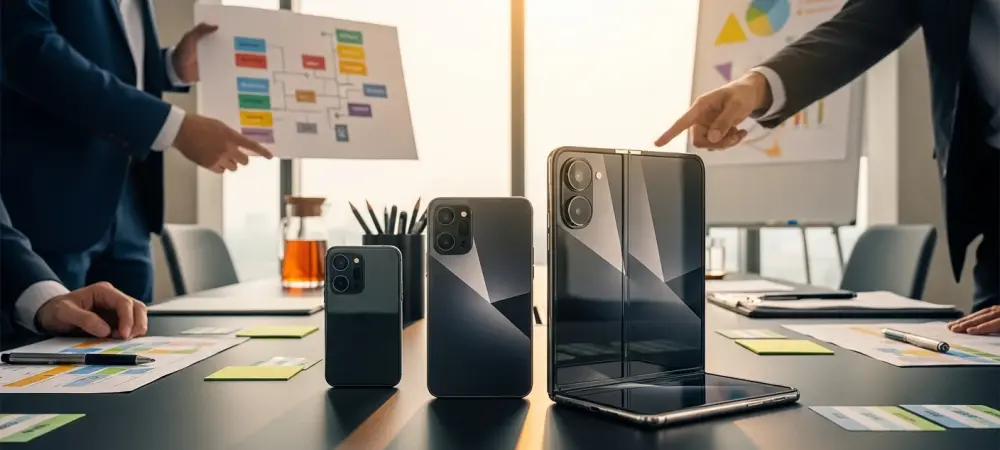
Alistair Miller sits down with Dominic Jainy, an IT professional steeped in AI, machine learning, and blockchain, to unpack Apple’s rumored Ultra tier. We explore how a standalone iPhone Ultra could alter cadence and resale, how a foldable might launch beside iPhone 18 Pro/Pro Max, and what it takes to ship hardware and software that feel truly next‑gen. We also dive into MacBook Ultra’s OLED touchscreen, a slip into the first half of 2027 tied to RAM, and the foldable iPad Ultra’s positioning. Throughout, Dominic grounds strategy with pragmatic tests, careful pricing stories, and ecosystem moves that stretch from in‑store demos to lifetime value.
Using “Ultra” as a standalone name decouples it from annual iPhone cycles; how does that reshape product cadence, marketing narrative, and resale dynamics, and what tactics would reduce buyer confusion about generations?
Decoupling from iPhone 18‑style cycles lets Apple ship when breakthroughs are ready, not each September. The story shifts from “this year’s spec bump” to “this generation’s capability,” which stabilizes resale because value maps to features, not a date stamp. Confusion fades if Apple prints the generation on the box, the setup screen, and trade‑in receipts. A simple badge like “Ultra, Gen 2” in Settings and at the Genius Bar would calm buyers in a few seconds.
If a foldable iPhone Ultra launches alongside iPhone 18 Pro/Pro Max, how should Apple position it to avoid cannibalization, segment by use case, and measure success beyond unit sales (e.g., retention, ARPU, ecosystem attach)?
Position the foldable as a canvas for creation and continuity, not just a different shape. Keep iPhone 18 Pro/Pro Max as speed and camera workhorses; reserve Ultra for multi‑window work, Pencil‑style finesse, and travel lightness. Success should weight retention curves and ARPU from services over the first few weeks and months. Track attach to iCloud+, AppleCare+, and accessories to see if its ecosystem gravity is stronger.
Unveiling together but shipping the foldable weeks later creates a stagger; how would you manage preorders, carrier allocations, and demo availability to sustain hype without frustrating early adopters?
Announce all models at the September event, but time the foldable’s ship date a few weeks out with transparent milestones. Offer date‑locked preorders, carrier‑specific allocations, and status dashboards that update daily. Seed demo units in flagship stores on week one so people can feel the hinge and see the screen. Reward patience with early AppleCare+ discounts and trade‑in locks that hold value until delivery.
First‑gen foldables face durability, crease visibility, and thickness trade‑offs; which engineering decisions matter most for daily reliability, what lab and field tests would you mandate, and which metrics should reviewers prioritize?
Hinge torque, cover glass chemistry, and shock paths matter more than any single spec line. I’d mandate fold‑cycle tests clustered around short bursts, cold‑soak opens, and pocket grit, plus drop tests from hand height on edges. Reviewers should prioritize hinge stability after a few weeks, crease legibility under bright September sunlight, and micro‑scratch resistance. Weight distribution in the hand matters too; it should never feel top‑heavy.
Foldable hardware needs adaptable software; what iOS changes (multitasking, continuity, UI scaling) are essential on day one, how would you incentivize developers to optimize, and what usage telemetry would you track?
Day one needs fluid split‑view, drag‑and‑drop, and app continuity when you fold mid‑task. Scaling must snap layouts cleanly in a second, without jarring reloads. Incentivize with featured placement, marketing at the September keynote, and revenue boosts for Ultra‑optimized SKUs. Track multi‑window minutes, fold events per session, and crash rates tied to orientation changes over the first few weeks.
Ultra branding usually means premium pricing; how would you model willingness to pay, storage tiering, and AppleCare+ bundling, and what price‑value storytelling converts skeptics without diluting Pro models?
Start with conjoint tests that include AppleCare+ as a default in at least one tier. Keep storage ladders simple—three tiers—and map each to a clear use case so buyers choose in seconds. The story: fewer compromises, more longevity, and first access to features that won’t hit Pro for a cycle. Anchor around Watch Ultra precedent without numbers, then show what you feel in the hand on day one.
A MacBook with an OLED touchscreen breaks precedent; how should macOS evolve for touch and Pencil‑style input, which pro workflows benefit first, and how do you mitigate battery drain, burn‑in, and PWM sensitivity?
macOS needs larger hit targets, pressure‑aware gestures, and Pencil latency that feels instant. Designers, musicians, and annotators win first with direct manipulation and crisp OLED contrast. Mitigate drain with adaptive refresh and dark UI defaults tuned for OLED. Fight burn‑in with UI element shifting and give PWM‑sensitive users a gentle mode from the first setup screen.
A slip to the first half of 2027 tied to RAM supply signals constraints; which memory nodes, capacities, or packaging are likeliest bottlenecks, what hedges (multi‑sourcing, pre‑buys, redesigns) help, and which supply‑chain signals should watchers monitor?
Advanced RAM nodes and stacked packaging are classic choke points when yields wobble. Multi‑sourcing and pre‑buys smooth the runway, while small board redesigns can relax density. Watch capacity mix shifts and factory utilization signals as 2027 approaches. If lead times stretch from weeks to months, the slip risk hardens.
OLED on laptops promises contrast and HDR but risks artifacts; which panel specs (TFE stack, LTPO, PWM frequency, lifetime) really matter, and how should buyers validate quality in-store and over the first 90 days?
Robust TFE, LTPO for power headroom, and high PWM frequency options all matter to comfort. Lifetime and uniformity guard against early banding. In‑store, open a pure gray and a white page, then tilt under bright lights to spot tint and crease‑like lines. At home, run varied content for a few weeks and log any persistent ghosts before the return window closes.
An “entirely new feature set” suggests deeper changes; what plausible bets (detachable modes, advanced NPUs, haptics, Face ID, cellular) could justify an Ultra tier, and how should developers adapt app design and performance targets?
A detachable mode, a muscular NPU, tactile haptics, Face ID, and even cellular would feel genuinely Ultra. Developers should target touch + keyboard parity and design for fast context switches. Lean into on‑device ML for privacy and speed, especially across a fold. Set budgets that assume the NPU carries heavy lifts while keeping UI motion buttery.
A foldable iPad Ultra could become the most expensive iPad; how would you frame its creative and enterprise use cases, prevent overlap with a foldable iPhone, and build a pricing ladder that protects Air/Pro demand?
Frame it as a studio that folds, not a big phone. Creators get a portable dual‑page canvas; enterprises get a compact whiteboard for rooms and field teams. Separate it from iPhone Ultra with Pencil‑first workflows and multi‑app depth. Keep Air and Pro compelling with clear price steps and a simple choice matrix that resolves in seconds.
With Ultra devices at the lineup’s summit, how should accessories, services, and retail experiences evolve—think Watch Ultra tie‑ins, AppleCare tiers, trade‑in programs, and in‑store demos—to raise attachment and lifetime value?
Bundle Watch Ultra tie‑ins, higher AppleCare tiers, and pro‑grade cases that feel like tools. Lock generous trade‑in values at preorder and keep them valid for those few weeks of stagger. In‑store, stage tactile hinge demos and OLED contrast pits that hit you the moment you walk in. The goal is a longer relationship, not just a day‑one thrill.
What is your forecast for the Ultra tier across iPhone, MacBook, and iPad over the next three years?
Expect a September rhythm for reveals, with some models slipping a few weeks as factories scale. iPhone Ultra should carve a distinct cadence, MacBook Ultra will likely crest in the first half of 2027, and iPad Ultra will aim squarely at high‑value niches. Attachment to services and AppleCare+ rises as buyers seek longevity. The Ultra story gets clearer each cycle: fewer compromises, more staying power.