

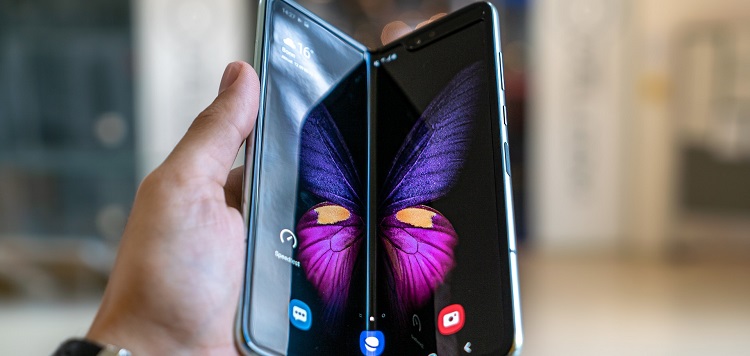
Samsung’s upcoming foldables are generating quite a buzz in the tech community as we eagerly await news of the features and improvements on these innovative smartphones. While Samsung has not officially confirmed any details about the upcoming foldables, we’ve gathered some information from leaks and reports circulating online. Here’s what we know so far:
Samsung’s upcoming foldables are rumored to feature 25W charging. According to sources, the Galaxy Z Fold5 and Z Flip5 will have the same charging speeds as their predecessors. However, a charging brick will not be included in the retail packages of both devices. Samsung is following the footsteps of other smartphone makers, including Apple, who have removed the charging brick from their retail packages citing environmental concerns.
To charge the new foldables, users will need to purchase Samsung’s EP-TA800 model charger. This charger features a USB-C port and can deliver 25W of power to the device. While this may be an inconvenience for some users, it’s important to note that the EP-TA800 charger is also compatible with other Samsung devices, including the Galaxy S21 and Note 20 series.
The next generation of foldables is set to launch with Qualcomm’s Snapdragon 8 Gen 2 for Galaxy chipset, marking an exciting development in the world of Samsung’s foldables. This is a considerable upgrade from the Snapdragon 865+ chipset used in the previous models. The new chipset is expected to provide faster performance, improved features, and better energy efficiency.
Z Fold5 and Z Flip5 are expected to feature a new droplet hinge design
One of the most notable design features of Samsung’s foldables is the hinge. In the past, the hinge has caused some issues for users, particularly with the notorious screen crease that has appeared on the folding screen. However, it seems that Samsung has made some improvements to the hinge design with the Z Fold5 and Z Flip5, both of which are expected to feature the new droplet hinge design.
The droplet hinge design is meant to “hide” the screen crease, making it less noticeable and distracting. In addition, the new design is expected to be more durable and long-lasting than previous models.
Z Flip 5 to have a larger 3.3″-3.4″ cover screen
Another improvement that we can expect from the Z Flip 5 is a larger cover screen. According to sources, the Z Flip 5 will have a cover screen that measures between 3.3″ and 3.4″, which is slightly larger than the 1.1″ cover screen on the Z Flip 3.
Appearance on 3C Database
Leaked information about the Z Fold5 and Z Flip5 has been appearing on various platforms for some time, including the 3C database, which is a Chinese certification database. While these leaks don’t give us the full picture of what to expect from the new foldables, they do suggest that the launch of these devices is imminent.
While we don’t have all the details about Samsung’s upcoming foldables, the leaked information we have gathered is certainly exciting. The improvements made to the hinge design, the inclusion of a new chipset, and the larger cover screen are all promising developments. However, we’ll have to wait and see if these features are confirmed until Samsung makes an official announcement.