

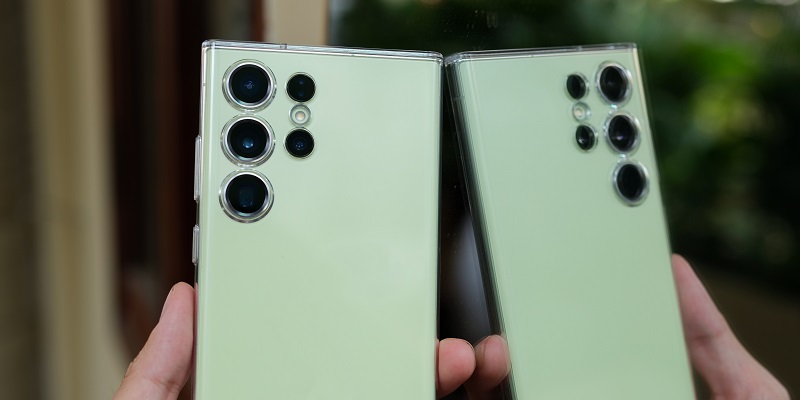
Samsung’s Galaxy S series has long been admired for its exceptional camera capabilities. With the release of the Galaxy S23 Ultra, Samsung set the standard even higher, boasting a quad-camera setup that included a remarkable 10x optical zoom feature. However, as rumors swirl regarding the upcoming Galaxy S24 Ultra, it seems that this coveted camera capability may be discarded, leaving many fans questioning the reasoning behind this decision.
Galaxy S23 Ultra’s Impressive Camera Features
The Galaxy S23 Ultra garnered attention for its powerful camera setup, which included a 200MP primary sensor, a 12MP ultrawide snapper, a 10MP telephoto camera with 3x zoom, and a 10MP periscope unit enabling 10x optical zoom. This configuration provided users with unparalleled versatility and excellence in capturing stunning images.
Rumors surrounding the Galaxy S24 Ultra’s camera
Anticipation around the Galaxy S24 Ultra was fueled by rumors suggesting changes to its camera setup. These rumors indicated that the device would feature an optimized version of the 200MP sensor, retain the 12MP ultrawide camera, introduce a new 50MP 3x telephoto camera, while possibly altering or eliminating the 10x periscope camera.
Confirmation of the Missing 10x Periscope Camera
Recent reports have confirmed the removal of the 10x periscope camera from the Galaxy S24 Ultra, leaving uncertainty about the presence or capabilities of a periscope camera in the new device. This move appears unusual, as the periscope camera was a standout feature in the Galaxy S23 Ultra, enhancing its imaging capabilities and setting it apart from competitors.
The significance of the periscope camera is…
The periscope camera has recently gained traction in the smartphone industry, with Apple introducing its first iPhone equipped with a periscope camera and boasting 5x optical zoom. Given the significance of this feature for the overall camera performance and user experience, Samsung risks hindering its competitive edge by eliminating the periscope camera from its flagship device.
Compensation for the missing 10x camera
While the absence of the 10x periscope camera is disappointing for enthusiasts, rumors suggest that the Galaxy S24 Ultra may compensate with a rumored 50MP telephoto camera. This higher-resolution option, although lacking the impressive zooming range of its predecessor, may still offer enhanced zoom capabilities, allowing users to capture more detailed and immersive photos.
Performance of the Galaxy S23 Ultra in Zoom
The Galaxy S23 Ultra’s zooming performance was undoubtedly impressive, delivering a commendable level of detail across different zoom settings. However, it excelled in bright-light conditions, showcasing its full potential and producing stunning results. The removal of the 10x periscope camera raises concerns about the device’s ability to perform consistently in varying lighting situations.
A Curious Camera Trade-off
Samsung’s decision to remove the 10x periscope camera from the Galaxy S24 Ultra remains a curiously debated move. While it may be challenging to ascertain whether the decision is rooted in technological limitations or alternative strategic considerations, it is clear that Samsung risks falling behind competitors in the periscope camera race.
The absence of the 10x periscope camera in the Galaxy S24 Ultra is undeniably disappointing for smartphone photography enthusiasts. Samsung must carefully assess the implications of this omission, particularly as competitors embrace periscope camera technology. While the rumored 50MP telephoto camera may serve as partial compensation, it remains to be seen how effectively it can fill the void left by the 10x optical zoom capability. Ultimately, the Galaxy S24 Ultra’s camera capabilities will play a significant role in its appeal to consumers and its ability to remain at the forefront of the competitive smartphone market.