

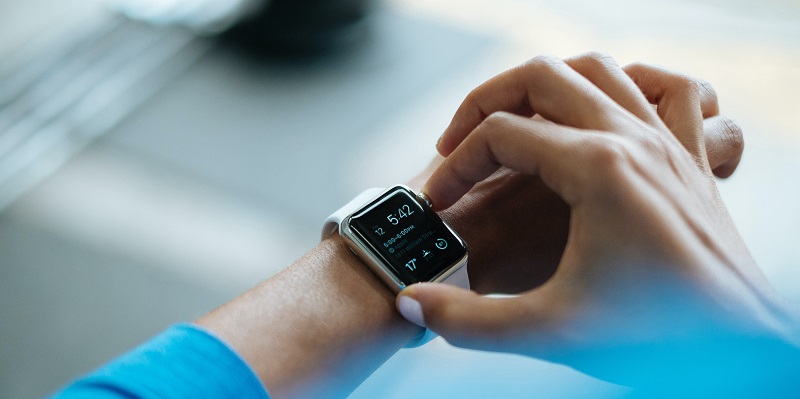
The highly anticipated 2023 Apple Watch Ultra model is expected to continue the impressive design lineage of its first-generation counterpart. Apple enthusiasts are eagerly awaiting the new features and improvements that this iteration will bring to the table.
Potential color options
In addition to the natural titanium finish, speculation suggests that Apple may introduce a new color option for the Apple Watch Ultra. A dark titanium variant has been rumored, with reports indicating that Apple tested a similar, darker option for last year’s release. However, the design team opted against it due to their dislike of its appearance. The introduction of a dark titanium color option would offer customers more choices to match their personal style.
Apple Watch Lineup for 2023
The 2023 Apple Watch lineup is anticipated to consist of two main models: the Apple Watch Series 9 and the Apple Watch Ultra 2. The Series 9 is expected to be available in 41mm and 45mm sizes, catering to users with different wrist preferences. Alongside the Series 9, the Ultra 2 will take the spotlight as the flagship model, boasting cutting-edge features and advanced technology.
Enhanced performance with the S9 chip
The Apple Watch Ultra 2 is said to be powered by the A15 Bionic chip, the same powerful processor that made its debut with the iPhone 13 series. The integration of this advanced chipset promises enhanced performance and efficiency for the Ultra 2. Users can expect smoother app experiences, faster response times, and seamless synchronization with their iPhones. Additionally, the improved performance should translate into longer battery life, allowing users to enjoy the watch’s features for extended periods of time.
Battery Life Comparison
Compared to its predecessor, the Apple Watch Ultra, the Ultra 2 is projected to deliver superior battery life. Currently, the Apple Watch Ultra offers an impressive 36 hours of usage between charges—effectively doubling the battery life of the Apple Watch Series 8. With the advancements in efficiency brought by the S9 chip, users can anticipate even longer battery life for their Apple Watch Ultra 2.
Rumored release dates
As the tech world eagerly awaits Apple’s next big releases, rumors suggest that the iPhone 15 series is expected to be unveiled in mid-September. Following this pattern, we can anticipate the announcement of the 2023 Apple Watch lineup in the same timeframe. The release of these eagerly awaited devices is likely to occur approximately a week after the unveiling, giving Apple fans a chance to get their hands on the latest innovations.
Pricing Information
For those considering purchasing the current Apple Watch Ultra, it is currently priced at $799. However, no information about the potential price of the Apple Watch Ultra 2 has been revealed. Apple typically prices its flagship devices competitively while providing an exceptional user experience, but consumers will have to wait for an official announcement for exact pricing details.
Potential size modification
In response to consumer demands, Apple may consider making the Apple Watch Ultra 2 smaller. This modification could cater to individuals with small wrists or those who prefer a more compact watch design. With a smaller form factor, the Ultra 2 would provide a sleek and comfortable fit for a wider range of users. Apple’s attention to detail and customization options make its devices a popular choice for users with diverse preferences.
The 2023 Apple Watch Ultra promises to be an elegant blend of design, performance, and innovation. With potential color options, including the rumored dark titanium variant, users will have more choices to express their personal style. The introduction of the Apple Watch Series 9 and Ultra 2 showcases Apple’s commitment to meeting the diverse needs of its customers. Enhanced performance powered by the A15 Bionic chip and the potential for longer battery life make the Ultra 2 an enticing upgrade option. As the anticipated release dates draw nearer, Apple enthusiasts eagerly await the chance to experience the next evolution of the iconic Apple Watch.