

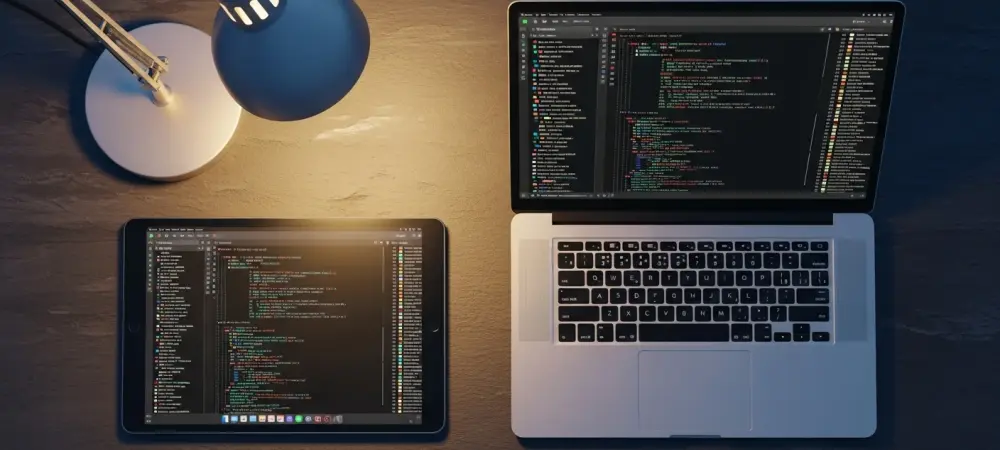
The rapid evolution of agentic coding tools has reached a pivotal juncture where the demand for persistent, high-stakes automation frequently clashes with the necessity of developer mobility and constant oversight. As software engineering tasks become increasingly complex, requiring hours of autonomous reasoning and execution, developers have found themselves tethered to their local workstations to monitor progress and intervene when necessary. Anthropic addressed this specific bottleneck by introducing a significant update to its terminal-based tool, Claude Code, featuring a specialized “Remote Control” capability. This innovation is currently being deployed as a Research Preview for Claude Max subscribers, signaling a broader industry trend toward creating unified, cross-platform experiences for long-running agentic processes that do not sacrifice the depth of local environment access.
Bridging the Gap Between Local Power and Mobile Flexibility
Architectural Design: Maintaining Local Context in a Distributed Environment
The fundamental philosophy behind the Remote Control feature centers on a hybrid architecture that prioritizes the integrity of the local development environment while providing a window into its activity from afar. Unlike traditional cloud IDEs that mirror the entire project to a remote server, this system keeps the actual workload firmly rooted on the host machine where the initial session began. This design choice ensures that the AI agent retains full access to local files, specific environment variables, and proprietary Model Context Protocol servers without the latency or security risks associated with migrating massive repositories to a third-party cloud. By keeping the execution engine local, the system avoids the common pitfalls of environment drift, where a remote sandbox might lack the specific libraries or configurations present on a developer’s primary hardware, leading to inconsistent results or deployment failures during complex refactoring tasks.
Furthermore, the mobile or web interface functions strictly as a remote front-end, acting as a specialized terminal mirror rather than an independent execution node. This distinction is critical for developers who manage sensitive data or utilize specialized local hardware that cannot be easily replicated in a virtualized environment. When a developer connects via a smartphone, they are essentially viewing a secure stream of the agent’s thoughts, terminal outputs, and proposed file changes. This allows for high-level supervision and decision-making from any location, such as approving a series of complicated unit tests or adjusting a prompt while away from the office. The technology ensures that the transition between the physical terminal and the remote interface is transparent, maintaining the state of the agentic session so that the developer can resume work immediately upon returning to their desk without any loss of context or progress.
Operational Dynamics: Managing Long-Running Agentic Sessions
Activating this remote capability requires a deliberate sequence of commands, ensuring that the developer remains in full control of when their local system is accessible from external devices. By utilizing specific prompts like “claude rc” or “claude remote-control,” or by adjusting configuration files for a more permanent setup, users can initiate a secure handshake between their local terminal and the remote relay service. To prevent the complications of split-brain scenarios or unauthorized concurrent access, the system enforces a strict policy of allowing only one active remote session at any given time. This operational constraint ensures that the AI agent does not receive conflicting instructions from multiple sources, which is vital when the agent is performing destructive actions like deleting outdated files or restructuring a large codebase. The focus remains on a singular, focused stream of interaction between the human operator and the machine.
Reliability in a distributed setup is further bolstered by sophisticated session management protocols designed to handle the realities of modern networking. Because the local terminal process must remain active on the host machine for the remote session to function, the system includes built-in safeguards against orphaned processes and persistent unauthorized access. If a network interruption occurs, or if the remote device loses connectivity for more than ten minutes, the system is engineered to terminate the remote link automatically. This timeout prevents a scenario where a session remains open and potentially exploitable on a forgotten browser tab or a lost mobile device. While this requires the developer to maintain a stable environment on their host machine, it provides a necessary layer of protection, ensuring that the powerful capabilities of the agent are only accessible during active, intentional monitoring periods.
Security Protocols and the Ethics of Remote Access
Proactive Defense: Securing the Connection Model
The security architecture of the Remote Control feature utilizes a “secure by design” methodology that intentionally avoids the most common vulnerabilities associated with remote access tools. Instead of opening inbound listening ports on the host machine, which would significantly increase the attack surface and potentially invite malicious scanning, the system relies entirely on outbound HTTPS requests. This approach allows the local agent to establish a secure connection to the relay server from within the safety of the local firewall, making it compatible with most corporate network policies without requiring complex port forwarding or VPN configurations. By initiating the connection from the inside out, the system ensures that the host machine remains invisible to the public internet, effectively neutralizing many common vectors for unauthorized entry or remote exploits that typically plague traditional remote desktop software.
All data transmitted between the local terminal and the remote interface is protected by industry-standard TLS encryption, providing a robust defense against man-in-the-middle attacks and data interception. To further strengthen the authentication process, the system employs short-lived, single-purpose tokens that are generated specifically for each session. These tokens act as temporary keys that expire quickly, drastically reducing the window of opportunity for session hijacking or token exfiltration. This level of cryptographic rigor is essential because the Remote Control feature provides the agent with the same permissions as the local user, including the ability to execute terminal commands and modify the file system. By implementing these multi-layered security measures, the framework provides a controlled environment where the convenience of remote monitoring does not come at the expense of the overall security posture of the development machine.
Risk Management: Addressing Vulnerabilities in Terminal Automation
Despite the advanced engineering behind the remote link, the integration of AI agents into terminal environments necessitates a disciplined approach to repository hygiene and system permissions. Recent security trends have highlighted the risks of remote code execution and the potential for AI tools to be manipulated into executing malicious scripts hidden within untrusted codebases. Developers were encouraged to remain vigilant, as the extension of local control to remote devices naturally increased the stakes of any potential compromise. To mitigate these risks, the system implemented rigorous consent prompts for sensitive operations, such as executing complex shell scripts or interacting with external MCP servers. These prompts acted as a final human-in-the-loop verification step, ensuring that the agent did not exceed its intended scope of action while the developer was interacting with the system through a mobile interface.
The successful deployment of these remote capabilities reflected a transition toward more flexible and resilient development workflows. By synthesizing the power of local execution with the accessibility of cloud-based monitoring, the platform offered a blueprint for how future agentic tools might balance performance and mobility. Users who adopted these features were advised to maintain a strict separation between trusted and untrusted environments, ensuring that the AI agent operated within a clearly defined sandbox when necessary. As the industry moved forward, the focus shifted toward refining these interaction models to provide even greater transparency and granular control. Ultimately, the introduction of Remote Control proved that with the right security protocols and architectural considerations, the physical location of a developer no longer served as a limitation to the continuous progress of complex, high-impact engineering projects.