

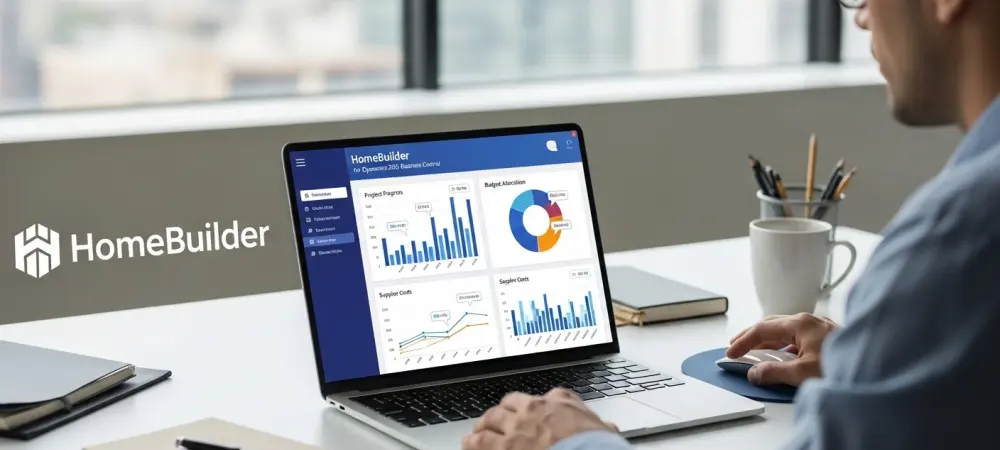
The rapid digitalization of the residential construction sector has finally bridged the historical divide between chaotic field operations and the precise requirements of corporate accounting. Builders have long navigated a landscape of fragmented data, where spreadsheets and siloed software tools created more friction than efficiency. The introduction of unified enterprise resource planning environments marks a turning point in this evolution, offering a cohesive framework for managing the multifaceted lifecycle of a modern home-building enterprise. This analysis explores the strategic impact of HomeBuilder by Suite Engine, a specialized solution designed to operate natively within the Microsoft Dynamics 365 Business Central ecosystem.
The objective of this exploration is to examine how a dedicated construction management tool addresses the unique pain points of production builders, such as lot-based cost tracking and vendor collaboration. By investigating the core functionalities and structural advantages of this platform, one can understand how modern technology facilitates a more transparent and profitable building process. The scope includes an evaluation of financial synchronization, field mobility, and the scalability required to support organizational growth in a competitive market. Readers can expect to learn how integrating operational workflows with a robust financial engine transforms raw data into a strategic business asset.
Key Questions: Understanding the Integrated Construction Landscape
What Is HomeBuilder for Dynamics 365 Business Central?
HomeBuilder is a specialized application crafted specifically for residential production builders who require a high degree of integration between their construction activities and their financial reporting. Unlike general project management software that often operates as a standalone island, this solution is built directly inside Microsoft Dynamics 365 Business Central. This native architecture means that the system does not rely on fragile external connections or manual data imports to sync information across departments. It establishes a digital foundation where every house, community, and phase is treated as a distinct yet connected data point within the larger organizational structure.
The system is designed to accommodate the specific hierarchical needs of the industry, organizing projects by communities, phases, floor models, and individual lots. This structure allows builders to manage complex developments with granular precision, ensuring that costs and schedules are tracked at the most detailed level possible. By serving as a comprehensive environment for everything from contract management to warranty tracking, the platform eliminates the need for redundant data entry. This creates a streamlined workflow where information flows naturally from the initial planning stages through to the final hand-off to the homeowner.
How Does Native Integration Improve Financial Synchronization?
The elimination of the traditional “data gap” between the construction site and the accounting office is perhaps the most significant benefit of a native ERP solution. In many organizations, project managers and financial officers work with different sets of information, leading to delays in payments and inaccuracies in budget reporting. HomeBuilder resolves this by ensuring that every operational milestone achieved in the field has an immediate and corresponding impact on the general ledger. When a specific task is marked as complete, the system can automatically trigger the necessary financial processes, such as generating invoices or releasing payments to subcontractors.
Moreover, this real-time synchronization provides stakeholders with an up-to-the-minute view of project profitability. Because the financial data is tied directly to construction progress, leadership can monitor actual costs against original estimates as work unfolds rather than waiting for month-end reports. This visibility is crucial for identifying fiscal trends and making adjustments before a project deviates too far from its budget. By maintaining a single source of truth, the organization ensures that the CFO and the site supervisor are always looking at the same numbers, which fosters better collaboration and more accurate financial forecasting.
In What Ways Does the System Manage Construction Costs?
Maintaining healthy margins in the residential sector requires rigorous control over labor and material expenses, which are often subject to market volatility. HomeBuilder addresses this challenge through a robust framework of automated budgeting and contract enforcement. The platform streamlines the creation of project budgets by deriving financial structures directly from approved vendor contracts and master house costings. This automation reduces the likelihood of human error that typically accompanies manual entry and ensures that every anticipated expense is accounted for from the outset of the project.
A critical feature in this cost-control arsenal is the system’s ability to prevent unauthorized overspending through strict invoice validation. When a subcontractor submits a bill, the software automatically compares the requested amount against the pre-negotiated contract terms and the percentage of work completed. If an invoice exceeds the budget or deviates from the agreed-upon price, the system flags the discrepancy and prevents payment until the issue is resolved. This level of granular control protects the builder from “bracket creep” and unexpected cost overruns, which is essential for preserving profitability across hundreds of active units.
How Do Mobile Capabilities Enhance Field Operations?
The transition toward mobile connectivity has fundamentally changed how field supervisors manage daily activities on the job site. HomeBuilder extends the capabilities of the ERP to mobile devices, allowing personnel to access and update project data in real-time while moving between different lots. This mobility is particularly effective for managing inspections and documenting deficiencies. Instead of carrying paper clipboards and later transcribing notes into a computer, supervisors can log issues, take photographs, and assign corrective tasks directly from their tablets or smartphones.
This real-time data capture creates a permanent and searchable audit trail for every home built. When a deficiency is identified, the system can automatically notify the responsible vendor, shortening the feedback loop and ensuring that repairs are completed before the next phase of construction begins. This centralized approach to quality control not only improves the overall standard of the build but also simplifies the final walk-through process with the buyer. By ensuring that all field data is fed back into the central system immediately, the organization maintains a high level of transparency and accountability across all active construction sites.
What Organizational Structures Support Business Scalability?
Scalability is a primary concern for production builders who aim to expand their operations across new geographic regions or increase their annual unit volume. HomeBuilder is architected to mirror the natural growth patterns of these companies, offering a flexible framework that handles increasing complexity without requiring a total system overhaul. The software supports an unlimited number of legal entities and projects, allowing a firm to scale from a local builder to a regional powerhouse within the same digital environment. This consistency is vital for maintaining standard operating procedures as the company grows.
Furthermore, the standardized data structure ensures that reporting remains consistent regardless of the number of active communities. As new phases are added or new models are introduced, the system incorporates these elements into the existing reporting hierarchy. This allows management to compare performance across different regions or divisions using the same key performance indicators. By providing a scalable foundation, the platform ensures that the administrative burden does not grow exponentially with the volume of construction, allowing the team to focus on building homes rather than managing software limitations.
How Does the Vendor Portal Simplify Communication?
Effective communication with a vast network of subcontractors and suppliers is essential for maintaining tight construction schedules. HomeBuilder facilitates this through a dedicated vendor portal that serves as a central hub for external collaboration. Vendors can log into the portal to access the specific documents, drawings, and purchase orders relevant to their assigned tasks. This self-service model significantly reduces the volume of phone calls and emails handled by the back office, as subcontractors no longer need to request information that is already available to them online.
In addition to document sharing, the portal allows for better alignment regarding scheduling and task completion. When a builder updates a project schedule, the changes are immediately visible to the affected vendors, allowing them to adjust their crews and material deliveries accordingly. This proactive approach to communication minimizes downtime and reduces the likelihood of scheduling conflicts that can delay a project for weeks. By fostering a more transparent relationship with its trade partners, a building company can improve its reputation as a preferred partner, which is a significant advantage in a tight labor market.
How Does Business Intelligence Drive Decision Making?
The true value of an integrated system lies in its ability to transform high volumes of transactional data into actionable strategic insights. By leveraging integration with Microsoft Power BI, HomeBuilder allows executives to visualize their operational and financial data through interactive dashboards. These tools enable leadership to identify patterns that might be invisible in traditional reports, such as which house models yield the highest margins or which subcontractors consistently meet their deadlines. This data-driven approach moves the organization away from making decisions based on intuition or anecdotal evidence.
Managers can also use these insights to identify systemic bottlenecks in the construction process. For example, if data shows that the framing phase is consistently taking longer than scheduled in a specific community, management can investigate the underlying cause and implement corrective measures. This level of analysis is vital for continuous improvement and long-term competitiveness. In an industry where market conditions can shift rapidly, the ability to quickly analyze performance and pivot strategy based on empirical evidence is a major differentiator for successful building firms.
Summary: A Recap of Integrated Efficiency
The analysis of HomeBuilder within the Dynamics 365 Business Central environment reveals a clear shift toward unified, purpose-built ecosystems. By consolidating various aspects of the construction lifecycle into a single native platform, builders have gained the ability to synchronize their financial and operational workflows with unprecedented accuracy. The discussion highlighted how real-time data visibility, automated cost controls, and mobile field management work together to eliminate the inefficiencies of fragmented systems. This alignment ensures that every department functions with the same information, significantly reducing errors and delays.
Furthermore, the role of scalability and vendor collaboration emerged as critical factors for long-term success. A system that grows with the organization while simplifying communication with external partners creates a more resilient business model. The integration of advanced business intelligence tools further empowers leadership to move beyond simple data tracking toward strategic optimization. Ultimately, the adoption of such a comprehensive ERP solution represents a move toward greater transparency and professionalism in the residential construction industry.
Final Thoughts: The Future of Construction Management
The transition to an integrated ERP environment was a fundamental requirement for any builder seeking to thrive in a modern, data-centric market. As companies moved away from legacy tools, they discovered that the true value of technology was not just in digitizing existing processes but in reimagining how different parts of the business interacted. This shift encouraged a more proactive management style, where potential issues were identified and addressed long before they impacted the financial bottom line. The lessons learned from implementing such systems emphasized the importance of choosing a foundation that was both deep in specialized functionality and wide in its integration capabilities.
Moving forward, builders should prioritize the continuous refinement of their data strategies to stay ahead of the curve. This involves not only maintaining the technical integrity of their systems but also fostering a culture that values data accuracy at every level of the organization. Exploring emerging capabilities in predictive analytics and further enhancing mobile interactions will likely provide the next wave of competitive advantages. By treating their software infrastructure as a living asset rather than a static expense, organizations can ensure they remain agile and profitable regardless of the challenges the construction industry may face. At the same time, maintaining focus on the human element—training staff and trade partners—remained the essential bridge between powerful software and a finished, high-quality home.