

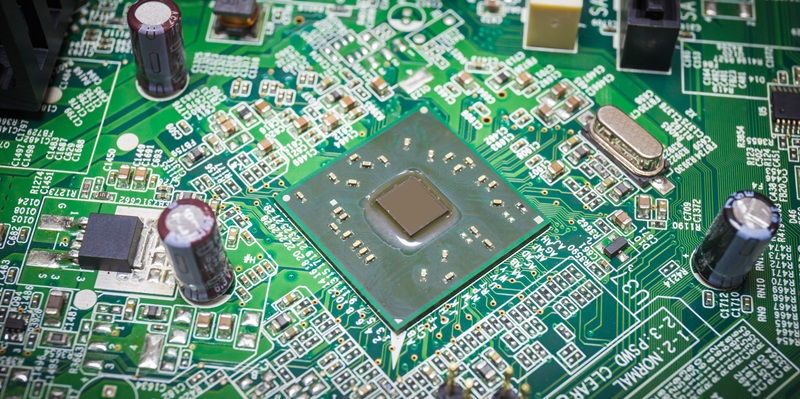
Just over a year ago, AMD launched its Zen 4 lineup of Epyc data center CPUs, code-named ‘Genoa.’ Now, an account on Twitter has posted leaked photos revealing AMD’s next-gen Epyc CPUs, based on the highly anticipated Zen 5 architecture. This leak suggests that AMD is pushing the boundaries once again by increasing core counts and introducing significant improvements.
Leak reveals photos of AMD’s next-gen Epyc CPUs
The leaked photos have given us a glimpse into AMD’s Zen 5 architecture. The upcoming Epyc CPUs are expected to see a substantial increase in core counts. The standard Turin chip is rumored to include 128 cores and 256 threads, a notable upgrade from the previous Genoa’s 96 cores and 192 threads. This increase in core counts promises improved performance and multitasking capabilities.
Zen 5c version boasts higher core counts
The Zen 5c version of AMD’s Epyc CPUs is said to be even more powerful. Reports suggest that it will feature an impressive 192 cores and 384 threads, surpassing the 128 cores and 256 threads of the earlier Bergamo CPUs. This significant increase in core counts showcases AMD’s commitment to delivering cutting-edge performance for data centers and enterprise-level computing needs.
Improved memory support
In addition to increased core counts, AMD’s Zen 5 Epyc CPUs are set to enhance memory support. While Zen 4 CPUs already support DDR5-4800 memory, the upcoming Zen 5 CPUs will support DDR5-6000 memory. This upgrade in memory speed will result in faster data access and improved overall system performance.
Enhanced compatibility and features
The leaked information also suggests that the new Zen 5 CPUs will support PCIe Gen 5 and CXL 2.0, enabling faster data transfer rates and improved connectivity. Moreover, the CPUs will be compatible with the existing SP5 socket, allowing for a seamless transition for users already utilizing AMD’s Epyc platform.
Intel’s upcoming launches and their significance
While AMD makes strides with the Zen 5 architecture, Intel is also preparing for significant launches of its own. Intel’s new chips will be the first to leverage its latest Intel 3 process, promising improved performance and energy efficiency. The competition between AMD and Intel in the data center CPU market is intensifying.
Intel’s Sierra Forest (E-core) versus AMD’s Zen 5c chip
Intel is expected to debut its E-core chip, code-named Sierra Forest, before AMD’s Zen 5c chip. Sierra Forest will offer two variants, speculated to have 144 cores and 288 cores respectively. These chips will directly compete with AMD’s Zen 5c chip in terms of performance and capabilities. The battle for dominance in the data center market is heating up between these two industry giants.
Granite Rapids – Intel’s P-Core Version
Intel’s second chip, Granite Rapids, is anticipated to be released after Sierra Forest. However, details regarding core counts have yet to be released. Intel has left us in suspense, heightening the anticipation for this upcoming chip and its potential to rival AMD’s Zen 5c in performance.
The leaked photos of AMD’s Zen 5 Epyc CPUs have given us a tantalizing glimpse into the future of data center processors. With increased core counts, improved memory support, and enhanced compatibility, AMD is positioning itself at the forefront of innovation in the industry. Meanwhile, Intel’s upcoming chips, utilizing the Intel 3 process, are poised to challenge AMD’s dominance. The battle for supremacy in the data center CPU market is set to intensify, with these launches anticipated with great excitement and anticipation.