

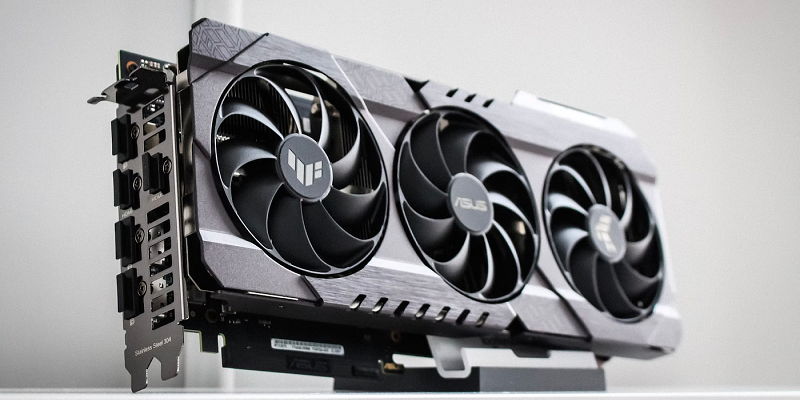
AMD’s RDNA 3 GPUs have become the center of attention in the GPU world. With anticipation building around their mid-range lineup, an accidental listing by Best Buy has set the tech community abuzz. Tom’s Hardware recently discovered the inadvertent listing of a Gigabyte RX 7700 XT Gaming OC graphics card, shedding some light on what enthusiasts can expect from AMD’s upcoming releases.
Accidental Listing Unveils the Gigabyte RX 7700 XT
The accidental listing clearly revealed a Gigabyte RX 7700 XT Gaming OC graphics card. However, there were a couple of discrepancies that caught the eye of keen-eyed enthusiasts. Firstly, the image provided with the listing resembled a Gigabyte 7900 XT, leading to speculation about the accuracy of the listing. Furthermore, the listed price seemed more in line with the 7900 XT, raising further questions about the potential misrepresentation of the product.
Curious Error: Nvidia RTX 4070
Adding to the confusion, the listing also referred to the GPU as an Nvidia RTX 4070. This error raised eyebrows among tech enthusiasts, who quickly realized that such a GPU does not exist. It seems that someone at Best Buy made a significant faux pas in the product description, further fueling the speculation surrounding AMD’s RDNA 3 GPUs.
Best Buy’s Accidental Leak
The accidental listing at Best Buy has significant implications, suggesting that the Gigabyte RX 7700 XT is indeed one of the models set for release as part of AMD’s mid-range graphics card lineup. Many speculate that this was a work-in-progress listing that was accidentally published. The fact that Best Buy created a listing with a matching model name and spec details from the rumor mill strongly suggests that the announcement of these GPUs is imminent.
Anticipated Announcement on August 25
According to industry insiders, AMD is expected to unveil these much-anticipated graphics cards later this week, on August 25th. The accidental listing at Best Buy has only increased the excitement and anticipation surrounding the release. Enthusiasts are eager to see how the RDNA 3 GPUs will perform and what improvements they will bring to the mid-range segment.
AMD’s mid-range RDNA 3 GPUs have generated significant buzz in the tech community, with enthusiasts eagerly awaiting their official announcement. The accidental listing of the Gigabyte RX 7700 XT at Best Buy has added to the speculation and further solidified the belief that these GPUs are on the horizon. As the expected announcement date approaches, all eyes are on AMD to see how they will continue pushing boundaries and delivering impressive performance at an affordable price point.