

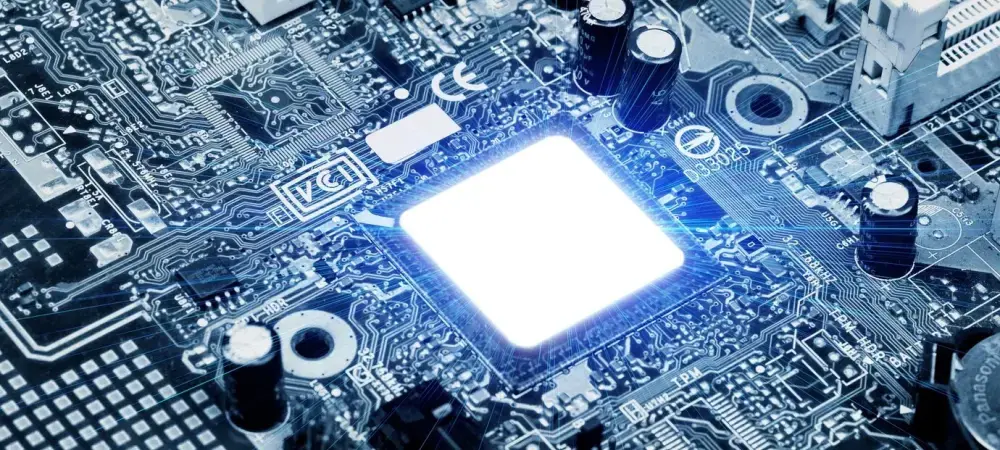
In the ever-evolving landscape of artificial intelligence and high-performance computing, AMD has introduced a game-changing innovation: the AMD Instinct MI350 Series accelerator chips. Announced at the AMD Advancing AI event, these chips represent a remarkable stride in the capabilities of AI computing, showcasing AMD’s commitment to staying at the forefront of technological innovation. The MI350 Series reveals dramatic improvements compared to past chip versions, setting new standards in energy efficiency, scalability, and AI performance itself. These advancements hold the potential to transform industries that rely heavily on AI solutions by enhancing both computing power and energy conservation.
Transformations in AI Performance
Processing Power and Efficiency
The AMD Instinct MI350 Series accelerators include two powerful models, the MI350X and MI355X GPUs, which signify a substantial leap in AI performance. These GPUs provide a significant enhancement, delivering a fourfold increase in AI computing power and achieving a 35-fold boost in inferencing capabilities relative to earlier models. This remarkable performance upgrade is a testament to AMD’s persistent efforts to refine and develop cutting-edge technology to address ever-growing demands for higher efficiency and scalability. The primary aim of these advancements is to reduce energy consumption considerably, which is crucial for the sustainability of AI training models and high-performance computing nodes. AMD is poised to achieve an ambitious target: a 20-fold improvement in rack-scale energy efficiency by the year 2030. This bold initiative underscores AMD’s commitment to sustainable computing and demonstrates its innovative efforts to reduce the carbon footprint associated with high-performance computing. By significantly lowering energy requirements, AMD ensures that AI models not only perform better but do so with reduced environmental impact, aligning with the broader industry shift toward eco-friendly technologies.
Open AI Platform and Industry Collaboration
AMD’s strategic focus centers around establishing a comprehensive AI platform characterized by open standards and industry collaboration. Lisa Su, the CEO of AMD, emphasized the importance of cross-industry cooperation as a keystone for future AI development, suggesting that no single company can propel technological advancement alone. This perspective is realized through AMD’s strategic partnerships with key players in the tech domain, promoting a culture of innovation through shared ideas and technologies.
Such cooperation fosters an ecosystem where collaboration drives technological progress. By prioritizing open standards, AMD invites industry leaders to integrate their solutions, leading to more efficient, universally applicable AI tools. The company’s initiatives encourage engagement across different fields, showcasing AMD’s dedication to building a more connected, efficient, and forward-thinking AI landscape. This collaborative approach is not only about meeting current technological challenges but also about paving the way for future developments in AI and high-performance computing.
Innovations in AI Infrastructure
ROCm Software Stack and Open Source Commitment
A noteworthy feature of AMD’s AI infrastructure is its focus on open-source ecosystems, which form the backbone of its AI development strategy. Central to this initiative is the ROCm software stack, a crucial component for high-performance computing and AI applications. The release of ROCm 7 reflects AMD’s focus on supporting industry-standard frameworks and enhancing development tools to boost productivity.
The ROCm platform is vital for minimizing barriers to AI development, providing developers a robust environment in which to explore and innovate. By expanding support for industry-standard frameworks, it nurtures an inclusive setting where developers can focus on breakthroughs instead of technical obstacles. AMD’s commitment to open-source principles is evident in its attempts to integrate diverse technologies, enabling developers to create scalable, adaptable, and efficient AI solutions without facing entry barriers.
Competitive Positioning and Market Expansion
AMD’s strategic positioning in the competitive AI market is made clear through its quest to offer viable alternatives to Nvidia’s technology, which has long been favored in the sector. AMD claims its Instinct GPUs offer better efficiency in specific workloads, especially within the neocloud area and tier-two and tier-three cloud services. These segments seek efficient, scalable solutions that align with their particular needs and sometimes find Nvidia’s offerings ill-suited to their requirements.
As AMD identifies these gaps, it tailors its products to cater to niche markets, providing solutions that resonate with diverse customer demands. This allows AMD to carve its own path, capitalizing on market segments seeking alternatives better suited to their unique operational parameters. Through this approach, AMD presents itself as a formidable contender in the AI market, appealing to enterprises and cloud services that require agile, cost-effective, and optimized computing solutions.
Expanding Collaborations and Resources
Empowering AI Development with Strategic Partnerships
AMD’s influence in the AI sector doesn’t stop with technology development; it extends into strategic partnerships that drive real-world application of its advancements. Collaborations with industry giants like Oracle Cloud Infrastructure (OCI), OpenAI, Microsoft, and Meta reveal AMD’s growing impact and presence within AI projects. These affiliations ensure AMD’s technologies are integrated into cutting-edge AI applications, encompassing everything from training expansive models to managing high-throughput inference tasks.
The cooperation with OCI, utilizing the AMD Instinct MI355X GPUs, highlights a trend toward deploying large-scale AI models. This collaboration is a pivotal element of AMD’s vision, emphasizing the balance between performance and energy efficiency in AI development. Such partnerships underscore the importance of synergies in AI growth, allowing AMD to contribute significantly to shaping AI applications and establishing its prowess in high-performance computing ecosystems across various sectors.
Developer Cloud and Inclusive Technological Advancements
In addition to enterprise collaborations, AMD seeks to empower individual innovators through initiatives like the AMD Developer Cloud. This resource provides developers access to comprehensive AI development platforms, removing traditional entry barriers to high-performance computing. The Developer Cloud is equipped with tools that offer flexibility and foster innovation, supporting the growth of AI projects on a substantial scale. This initiative, paired with strategic alliances with technology leaders and open-source communities, reinforces AMD’s commitment to inclusivity. Providing developers access to such resources nurtures a culture of innovation and experimentation, which is crucial for the advancement of new technologies. This fosters a global community where innovation is facilitated, projects gain momentum rapidly, and breakthroughs come from diverse perspectives and inputs.
Conclusion on AMD’s Impact and Future Directions
In the rapidly advancing domain of artificial intelligence and high-performance computing, AMD has unveiled a groundbreaking development with its Instinct MI350 Series accelerator chips. Introduced at the AMD Advancing AI event, these chips demonstrate a significant leap in AI computing capabilities, underscoring AMD’s commitment to leading-edge technological advancements. Compared to previous iterations, the MI350 Series showcases substantial enhancements in energy efficiency, scalability, and raw AI performance. These advancements promise to revolutionize industries heavily dependent on AI solutions by boosting both computational power and promoting energy conservation. With the MI350 Series, AMD sets new benchmarks in technology that can redefine sectors such as healthcare, finance, and autonomous systems, where AI optimization is crucial. This leap forward not only highlights AMD’s role as a pioneer in tech innovation but also paves the way for future developments in AI-driven applications, continuously shaping how industries operate and evolve.