

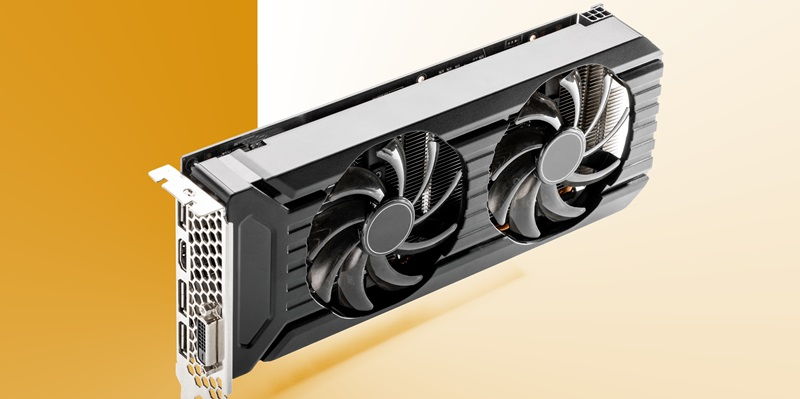
AMD has recently showcased the impressive performance capabilities of its highly anticipated Radeon RX 7000 ‘RDNA 3’ GPUs in the visually stunning and immersive game, Avatar: Frontiers of Pandora. With the support of AMD’s cutting-edge FSR 3 upscaling technology, the game delivers over 100 frames per second (FPS), providing gamers with an exceptional gaming experience.
AMD’s FSR 3 Upscaling Technology
At the forefront of AMD’s showcase is their innovative FSR 3 upscaling technology. This feature not only enhances the visual fidelity of games but also offers frame generation, resulting in a smoother and more immersive gaming experience. By harnessing the power of AMD’s RDNA 3 architecture, FSR 3 boosts the performance of the Radeon RX 7000 GPUs, allowing gamers to enjoy high frame rates without compromising visual quality.
Avatar: Frontiers of Pandora’s Visual Fidelity
Avatar: Frontiers of Pandora has been acclaimed as one of the most visually stunning games of 2023. The game showcases lush jungles, realistic environments, and impressive attention to detail that immerse players into the fantastical world of Pandora. The combination of AMD’s RDNA 3 GPUs and FSR 3 upscaling technology brings out the full potential of the game, providing gamers with an unparalleled visual experience.
The Need for Powerful Hardware
To run a graphics-intensive game like Avatar: Frontiers of Pandora smoothly, powerful hardware is a necessity. AMD addresses this need with the RDNA 3 GPUs in their Radeon RX 7000 family. These GPUs are specifically designed to handle the demanding requirements of modern games, delivering exceptional performance across all resolutions.
Optimal Performance with Radeon RX 7000 Series SKUs
During comprehensive testing conducted by Team Red, all Radeon RX 7000 series SKUs demonstrated optimal performance with impressive frame rates at their respective targeted resolutions. Gamers can expect smooth gameplay with over 100 FPS, providing a seamless and immersive gaming experience regardless of the chosen resolution.
Performance Highlights of Specific GPUs
Among the standout performers, the Radeon RX 7600 shines with its ability to offer up to 109 FPS in Avatar: Frontiers of Pandora when utilizing Ray Tracing and Ultra settings. For gamers seeking the pinnacle of performance, the flagship Radeon RX 7900 XTX delivers a remarkable 148 FPS at 4K resolution, further establishing AMD’s dominance in the high-end gaming market.
Successful Collaboration with Ubisoft and Massive Entertainment
AMD’s collaboration with renowned game developers Ubisoft and Massive Entertainment has yielded remarkable results. Together, they have managed to optimize the game’s performance and graphics, squeezing out the maximum potential of the Radeon RX 7000 ‘RDNA 3’ GPUs and FSR 3 upscaling technology. The seamless integration of hardware and software showcases the benefits of close collaboration between industry leaders.
Recommended Settings and FidelityFX Super Resolution
AMD recommends users to enable FidelityFX Super Resolution (FSR 3) to ensure the best possible gaming experience in Avatar: Frontiers of Pandora. This cutting-edge feature enhances both performance and visual fidelity, allowing gamers to enjoy smooth gameplay without compromising image quality. By enabling FSR 3, gamers can unlock the full potential of their RDNA 3 GPUs, offering a truly immersive gaming experience.
Additional testing on various GPUs
To provide a comprehensive analysis, additional testing has been conducted by prominent tech outlets such as Computerbase and PCGameshardware. These tests have included various NVIDIA and AMD GPUs, further highlighting the exceptional capabilities of AMD’s Radeon RX 7000 ‘RDNA 3’ GPUs in delivering a superior gaming experience, particularly in Avatar: Frontiers of Pandora.
Frontiers of Pandora demonstrates the company’s commitment to providing gamers with exceptional hardware and innovative technologies. With the support of FSR 3 upscaling technology, gamers can achieve remarkable performance across all resolutions, delivering a truly immersive gaming experience. As this collaboration between AMD, Ubisoft, and Massive Entertainment showcases, the marriage of powerful hardware and optimized software enables gamers to embark on unforgettable adventures in visually stunning and engaging virtual worlds.