

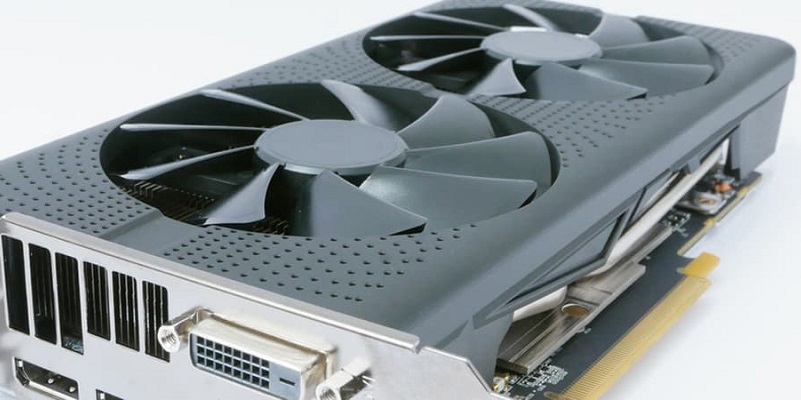
AMD is generating significant buzz in the gaming community with rumors of an impending launch of new RDNA 3 graphics cards. Speculations are rife that these mid-range GPUs will be unveiled at the upcoming Gamescom event. Adding to the excitement, a recent tweet from @AMDRadeon hints at major product announcements during the event, building anticipation for multiple reveals.
Announcement Teaser
The tweet from @AMDRadeon inviting attendees to join them at Gamescom for major product announcements has sparked waves of speculation. Notably, the plural term “announcements” suggests that there will be more than one reveal at the event. This has piqued the curiosity of gamers eager to see what AMD has in store for them.
Expectations for RDNA 3 GPUs
AMD had previously announced the impending release of “enthusiast-class” graphics cards in Q3. Many believe that the Gamescom event will serve as the platform for the unveiling of two new RDNA 3 GPUs. This aligns with AMD’s strategy of providing a mid-range option to complement its current-generation lineup. Gamers are eagerly anticipating the release of these GPUs to fill the gap in AMD’s graphics card offerings.
Confirmation of Multiple Product Reveals
The above-mentioned tweet confirming multiple product reveals has validated the expectations of gamers and industry experts alike. There are strong indications that AMD will introduce two XT models for the RX 7700 and 7800, further strengthening its positioning in the market. This move is expected to attract both budget-conscious gamers and those looking for a balance between performance and price.
Excitement for FSR 3 Tech
Apart from the RDNA 3 GPUs, another element generating excitement is the potential reveal of FSR 3. FSR 3 is AMD’s answer to Nvidia’s DLSS 3, a frame rate boosting technology that has garnered immense popularity. Gamers are keen to see how FSR 3 stacks up against its competitor and how it can enhance their gaming experience. The speculation surrounding this reveal has added an extra layer of anticipation to the Gamescom event.
Possibility of surprise pricing
AMD has the opportunity to surprise gamers with aggressive pricing for its new GPUs. By offering competitive prices, the company could attract a broader audience and pose a formidable challenge to its competitors. While the specifics of pricing remain speculative, such a move could potentially sway consumers in AMD’s favor, leading to increased adoption of their RDNA 3 graphics cards.
FSR 3 Reveal and Launch Date
The gaming community has been eagerly awaiting news about FSR 3 since its initial announcement nine months ago. The long silence from AMD regarding this technology has led to speculation that Gamescom could be the perfect occasion to finally unveil FSR 3. Given the growing adoption of DLSS 3, AMD would be wise to capitalize on the considerable interest in frame rate boosting technologies. Gamers are hopeful that Gamescom will provide a much-needed update on FSR 3’s progress and announce a potential launch date.
Arrival of FSR3 and new RDNA3 GPUs
There are rumors that FSR 3 is slated for release in Q4 of this year, with a possible early launch in September. This makes it highly probable that a glimpse of FSR 3 and its launch date may be shared during the Gamescom event. In addition, the anticipated unveiling of the RDNA 3 GPUs aligns with AMD’s strategy to address the mid-range market gap. The event promises to be an exciting opportunity for AMD to showcase its technological prowess and generate further interest among gamers.
As Gamescom approaches, expectations are running high for AMD’s major product announcements. The potential launch of RDNA 3 GPUs and the reveal of FSR 3 have captivated the gaming community, fueling anticipation and speculation. With the possibility of multiple reveals and enticing pricing, AMD has the opportunity to solidify its position in the market and provide gamers with cutting-edge graphics technology. All eyes will be on Gamescom as AMD prepares to unveil its highly anticipated offerings.