

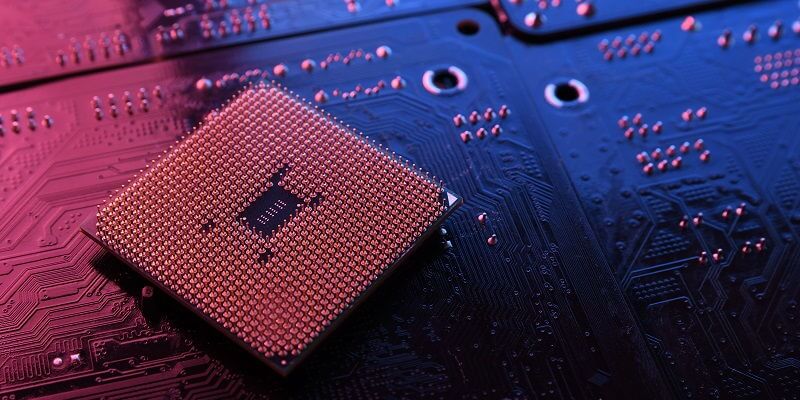
The AMD Ryzen 7000 Embedded family has arrived, marking a significant upgrade over its predecessors, the Ryzen 5000 Embedded CPUs. Packed with cutting-edge technologies, including Zen 4 cores and 5nm technology, this new family promises to revolutionize the embedded processor market. Let’s delve deeper into the features and capabilities of the Ryzen 7000 Embedded platform.
Enhanced Performance
Compared to the previous generation, the Ryzen 7000 Embedded CPUs offer a substantial boost in performance. Equipped with Zen 4 cores, these processors can be configured with up to 12 cores and consume a maximum of 105W TDP. This enhanced performance ensures smoother multitasking, faster data processing, and improved overall efficiency, catering to the demands of diverse embedded applications.
X600 PCH Flavors
The Ryzen 7000 Embedded platform introduces the X600 PCH (platform controller hub) flavors, serving as a chipset activator. This chipset expands the connectivity options, ensuring seamless integration with various Mini-ITX MoDT (Mobile on Desktop) boards. The availability of diverse flavors allows system designers to choose the most suitable configuration for their specific requirements, optimizing performance and compatibility.
Next-Generation Technology
The AMD Ryzen Embedded 7000 Series processors are at the forefront of technological advancement, being the first embedded processors to utilize groundbreaking 5nm technology. This cutting-edge manufacturing process paves the way for increased power efficiency, reduced heat output, and improved transistor density. The integration of 5nm technology equips the Ryzen 7000 Embedded family to deliver unparalleled performance and support the most demanding applications.
Integrated Graphics
One remarkable feature of the Ryzen 7000 Embedded processors is the integration of AMD Radeon RDNA 2 graphics. By incorporating this powerful graphics solution directly into the processor, there is no longer a need for a discrete GPU in embedded systems. This integration not only saves space but also enhances graphical capabilities, enabling smooth rendering, immersive visuals, and accelerated multimedia processing for a wide range of applications.
The Ryzen Embedded 7000 Series processors offer extensive support for both Windows Server and Linux Ubuntu, ensuring flexibility and compatibility for system architects and developers. Whether the application requires the stability and security of Windows Server or the open-source benefits of Linux Ubuntu, the Ryzen 7000 Embedded family provides options for seamless integration, allowing for efficient deployment across different domains and industries.
High-Performance CPU Cores
The Ryzen Embedded 7000 Series processors combine the power of Zen 4 architecture with up to 12 high-performance CPU cores. This translates into exceptional processing capabilities, enabling faster calculations, intense data analysis, and improved computational performance. Whether in applications that demand real-time responsiveness or compute-intensive tasks, the Ryzen 7000 Embedded CPUs ensure optimal performance and unlock new possibilities.
Ease of Integration
System designers will appreciate the unparalleled ease of integration offered by Ryzen Embedded 7000 Series processors. Advanced compatibility features and comprehensive development tools allow for streamlined development and implementation. By minimizing integration challenges, developers can focus on realizing their vision while reducing time-to-market. The Ryzen 7000 Embedded family empowers system architects to create innovative and efficient designs.
Availability and Production
Excitingly, the AMD Ryzen Embedded 7000 Series processors are currently in production and are expected to be available later this month. This means that customers can soon harness the power of next-generation embedded processors to elevate their applications and unlock new levels of performance, efficiency, and versatility.
The arrival of the AMD Ryzen 7000 Embedded family signals a significant leap forward in embedded processor technology. With enhanced performance, next-generation 5nm technology, integrated Radeon graphics, extensive operating system support, and ease of integration, these processors are set to redefine what is possible in embedded systems. As the Ryzen 7000 Embedded processors become available, the industry eagerly awaits the transformative impact they will have on a wide range of applications, from edge computing to industrial automation and beyond.