

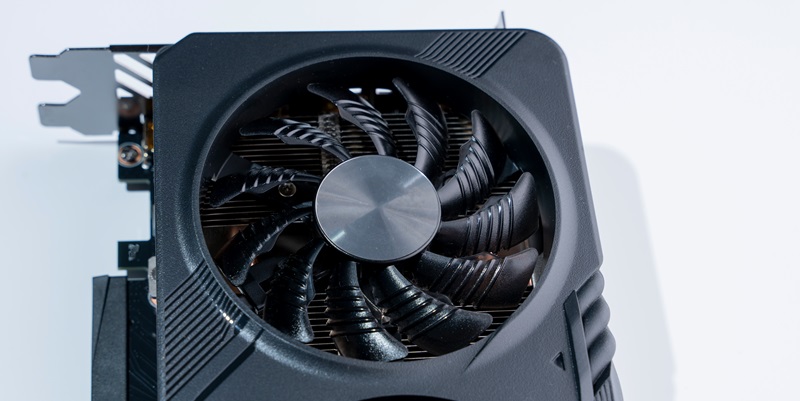
The AMD Radeon RX 7800 XT has solidified its position in the market by offering an exceptional combination of affordability and performance. Since its release, this graphics card has garnered significant attention, and its recent price drop to an astonishing $479.99 has positioned it as an even more formidable competitor against NVIDIA.
Price Drop: Challenging the Norm
In a bold move, Team Red has slashed the price of the Radeon RX 7800 XT to its lowest ever since launch. At $479.99, this drop not only signifies AMD’s determination to go head-to-head with NVIDIA but also shatters industry expectations. This unprecedented move has undoubtedly made the Radeon RX 7800 XT an attractive choice for budget-conscious gamers or those seeking optimal value for their money.
Gigabyte Gaming OC Variant: Where Quality Meets Affordability
Among the discounted options available, the Gigabyte Gaming OC variant stands out as an excellent choice. Despite its reduced price, this version offers impressive build quality, reliable cooling, and robust performance. This makes it a reliable investment for both casual gamers and dedicated enthusiasts.
Specifications: Powerhouse Performance Unleashed
The AMD Radeon RX 7800 XT 16 GB graphics card boasts an impressive array of specifications. With its 60 Compute Units housing an impressive 3840 stream processors, this GPU delivers a tremendous amount of power. This translates into seamless gameplay, impeccable visuals, and outstanding rendering capabilities – ideal for demanding modern gaming titles.
Other Variant Options: Expanding the Horizons
If the Gigabyte Gaming OC variant is not the right fit, there are other tempting choices available within this price range. The ASRock Challenger and Sapphire PULSE variants are also available, priced at $489 and $499, respectively. These options offer additional customization features and unique aesthetics, catering to the diverse tastes of gamers.
Best Option in the Price Segment
In the sub-$500 price segment, the AMD Radeon RX 7800 XT emerges as a clear winner. With its recent price reduction, there’s no denying that it is the top contender for users seeking an exceptional gaming experience without breaking the bank. AMD’s commitment to affordability, coupled with the card’s high-performance capabilities, makes it an obvious choice for discerning gamers.
Improved Upscaling Features: Closing the Gap
AMD has made significant strides in closing the gap when it comes to upscaling features. The inclusion of advanced technologies such as FSR 3 and HYPR-RX has revolutionized the gaming experience, delivering enhanced graphics and smoother gameplay. These innovations ensure that the Radeon RX 7800 XT offers an edge in terms of visual fidelity and overall immersion.
Impressive Performance: Unleashing the Power
The Radeon RX 7800 XT’s performance stands out, thanks to its incredible features. With boost clocks reaching up to 2430 MHz and offering up to 37 TFLOPs of FP32 Compute horsepower, this graphics card showcases its capability to handle demanding tasks, deliver high frame rates, and handle intensive workloads with ease.
When compared to its NVIDIA counterpart, the AMD Radeon RX 7800 XT 16 GB proves to be a worthy competitor. In terms of rasterization performance, it exhibits a significant 6.88% advantage over the NVIDIA RTX 4070 12 GB. Although it lags slightly behind in ray tracing performance, with an 11.55% difference, the overall performance remains impressive, with a 0.5% edge in favor of the Radeon RX 7800 XT.
In conclusion, the price drop of the AMD Radeon RX 7800 XT to an unprecedented $479.99 has made it a true game-changer in the market. The Gigabyte Gaming OC variant, along with other available options, provides exceptional value and quality. With improved upscaling features and remarkable performance, this graphics card comfortably establishes itself as the top choice in the sub-$500 price segment. The AMD Radeon RX 7800 XT has undoubtedly disrupted the market, providing gamers with an unbeatable combination of affordability, performance, and innovative technology.