

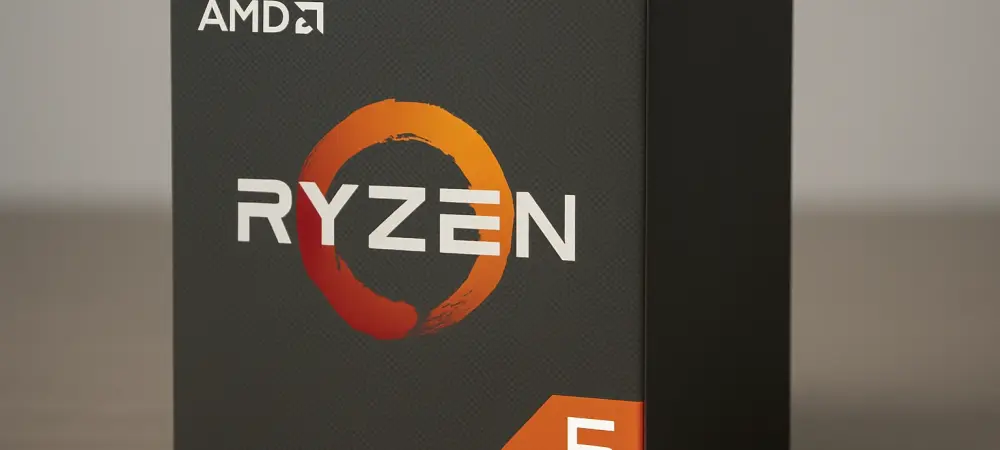
Dominic Jainy, a seasoned IT professional specializing in AI, machine learning, and blockchain, explores how these technologies are shaping industries. Today, however, he provides insights into AMD’s decision to release the Ryzen 5 5500X3D, the latest addition to the enduring AM4 platform.
Why did AMD decide to launch another AM4 processor despite the platform being 8 years old?
AMD’s decision to launch another AM4 processor underscores the enduring flexibility and relevance of the platform. Over years, AM4 has evolved rather than become obsolete, enabling continued support for technological advancements and maintaining value in a market obsessed with new releases.
Can you explain the significance of the AM4 platform’s long lifespan in the mainstream market?
The AM4 platform’s longevity is quite significant. It allows consumers to benefit from a stable ecosystem without constant hardware overhauls. Its long life means users have gained extensive value from their initial investment, creating a dedicated user base that appreciates consistent performance improvements.
What are the main differences between the new Ryzen 5 5500X3D and the Ryzen 5 5600X3D?
The main difference lies in the clock speeds. Though both share similar architectures, the 5500X3D comes with reduced base and boost clock speeds compared to the 5600X3D. This adjustment reflects its positioning as a more affordable option within the lineup while remaining powerful enough for specific user needs.
How does the 5500X3D compare with its non-X3D Ryzen 5 5500 counterpart?
Compared to the non-X3D Ryzen 5 5500, the 5500X3D includes a significantly larger L3 cache, enhancing its performance in gaming and cache-sensitive applications. However, it sacrifices some clock speed, which signifies AMD’s strategy to offer diversified options for different market segments.
What impact does the 96 MB L3 cache have on the performance of the 5500X3D, particularly in gaming?
The 96 MB L3 cache significantly bolsters the 5500X3D’s gaming capabilities. It effectively reduces latency and accelerates data retrieval processes, which are crucial for gaming environments that demand rapid and consistent performance. This cache size dramatically enhances the processor’s efficiency in handling complex tasks.
Why does the 5500X3D have a higher power consumption compared to the Ryzen 5500?
The increased power consumption, rated at 105W compared to the 65W of the Ryzen 5500, is primarily due to the larger L3 cache and additional processing potential. This trade-off enables the 5500X3D to deliver enhanced performance, particularly in power-intensive applications like gaming.
Considering the limited availability to Latin America, what are AMD’s plans for a global release of the Ryzen 5 5500X3D?
While initially limiting the release to Latin America could be part of a regional demand strategy, AMD’s broader intent likely includes assessing regional market responses before potentially opening global distribution. This method allows AMD to tailor releases and correspondingly adjust marketing strategies.
How does the Ryzen 5 5500X3D fit into budget gaming builds?
The Ryzen 5 5500X3D is tailored for budget gaming builds that demand high gaming efficiency without the massive price tag of high-end counterparts. Its balanced combination of price, cache size, and processing power makes it an attractive option for gamers prioritizing performance without major financial investment.
What influenced AMD to offer the 5500X3D at an expected price of around $150?
Pricing the 5500X3D at around $150 reflects AMD’s strategy to appeal to budget-conscious consumers looking for significant performance without exceeding their finances. By offering competitive access to X3D technology at this price point, AMD intends to tap into a wider audience while maintaining system upgrades within reach for many users.
Can you elaborate on AMD’s strategy behind releasing newer AM4 processors sporadically?
AMD’s staggered release approach for AM4 processors likely aims to extend the lifecycle of the existing platform while gradually integrating new technologies. This way, they can gauge consumer interest and market demand, ensuring relevancy in evolving technological landscapes and providing users with updated options without frequent shifts to new platforms.
What is your forecast for AMD’s future with the AM4 platform?
While AMD will undoubtedly continue evolving their offerings, AM4’s continued presence indicates strategic patience. Extending AM4’s lifecycle maximizes the platform’s return and satisfies existing user needs, which suggests AMD may continue enriching AM4 until a future breakthrough necessitates a complete shift.