

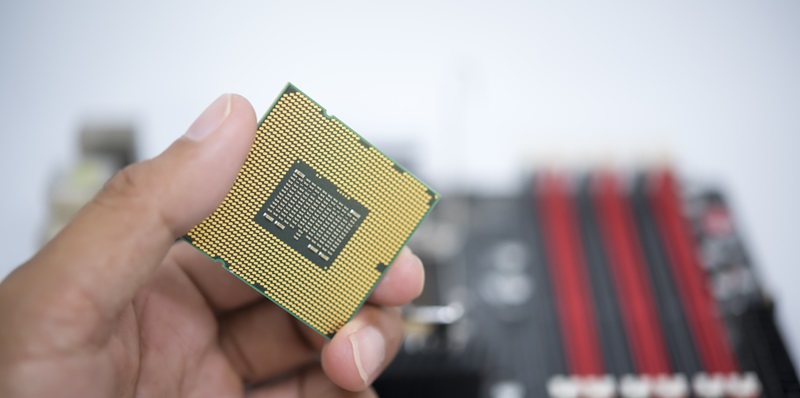
The technology world is abuzz with the recent sighting of an alleged image of the highly anticipated Intel Core i9-14900KS CPU. The picture, discovered by HXL (@9550pro) on the QQ social outlet, has sparked widespread curiosity and speculation. Although certain portions of the chip, such as its QR code and PCB label, have been cut out, enthusiasts and tech experts alike are eagerly trying to dissect the available information to gain insights into this potential powerhouse.
Background information
Rumors and reports about the Intel Core i9-14900KS CPU have been circulating on the web for quite some time. Tech enthusiasts have been eagerly awaiting its release, intrigued by the promised advancements in performance and capabilities. The alleged image has only fueled the already intense interest in this new CPU.
Specifications of the Intel Core i9-14900KS CPU
If the rumors are to be believed, the Intel Core i9-14900KS Desktop CPU will offer a similar configuration as the Core i9-14900K. It is expected to feature 24 cores, arranged in an 8 P-Core and 16 E-Core layout, with an impressive 32 threads. The boost clock is rumored to reach a staggering 6.20 GHz, making it potentially the fastest-clocked chip on the market. Additionally, the CPU is expected to retain the substantial L3 cache of 36 MB and 32 MB of L2 cache, which are prominent features of the Core i9-14900K and i9-13900KS.
Comparison to other CPUs
If confirmed, the Intel Core i9-14900KS CPU would surpass its predecessors, the 14900K and 13900KS, in terms of clock speed. This achievement would solidify its position as the premier chip on the market, offering unparalleled performance and speed. Enthusiasts and professionals alike would undoubtedly be drawn to the immense power and capabilities of this potential flagship CPU.
Speculations about Intel’s plans
With Intel’s planned CES event drawing near, many speculate that the alleged Intel Core i9-14900KS CPU could potentially be unveiled during this grand showcase. It is worth noting that the Core i9-13900KS was also introduced around CES 2023. Therefore, it would not be surprising if Intel continues its trend of showcasing a “KS” chip for the LGA 1700 socket this year, making the Core i9-14900KS the third and final in this series.
Uncertainty about the authenticity of the chip image
Although the picture circulating on social media displays the label indicating Intel Core i9-14900KS, it is crucial to note that its authenticity cannot be confirmed at this point. Concerns have been raised regarding the possibility of faking labels on a heat spreader, as this is a common practice in the tech industry. Until more concrete evidence or official announcements emerge, skepticism about the legitimacy of the alleged image remains.
Previous reports and lack of conclusive evidence
Previous reports and retailer listings have provided some indication of Intel’s work on the Core i9-14900KS CPU. However, thus far, no concrete evidence has been presented to definitively confirm its existence or specifications. As enthusiasts eagerly await further updates from Intel or reliable sources, the authenticity of the alleged image continues to be debated.
The alleged image of the Intel Core i9-14900KS CPU has captured the attention and imagination of tech enthusiasts worldwide. While its specifications and potential advancements are tantalizing, uncertainties persist regarding its authenticity. Only time will tell whether the Intel Core i9-14900KS will become a reality and revolutionize the CPU market. With technological progress moving at a rapid pace, it is essential to stay informed and await further updates that may provide clarification and shed light on this much-anticipated chip.