

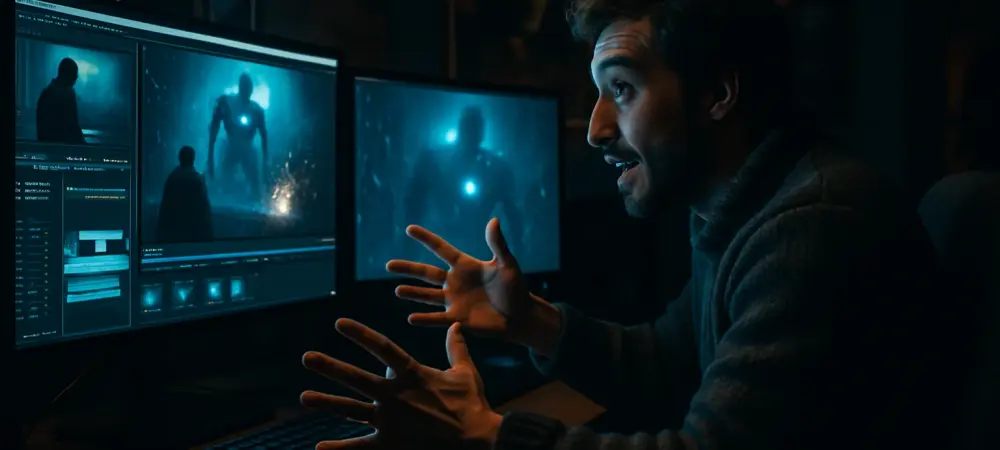
Picture a filmmaker, armed with nothing but a laptop and a vision, crafting a cinematic masterpiece that rivals the gloss of Hollywood blockbusters. This isn’t a far-fetched dream but a reality unfolding right now, thanks to the seismic shifts brought by Artificial Intelligence (AI) in the filmmaking world. AI is no longer just a buzzword; it’s a tool that’s rewriting the rules of how stories come to life on screen, from streamlining production to challenging the very essence of creative ownership. The purpose of this FAQ is to dive deep into the heart of this transformation, addressing the most pressing questions about AI’s role in cinema. Readers can expect a thorough exploration of how AI reshapes workflows, alters job landscapes, and sparks ethical debates, all while amplifying the accessibility of filmmaking for creators everywhere.
The narrative that follows aims to unpack the complexities of AI’s integration into an industry rooted in human emotion and imagination. It will navigate through key concerns, offering clear insights and real-world examples to illuminate the path ahead. By the end, a fuller understanding of AI’s potential and pitfalls in filmmaking will emerge, equipping readers to grasp both the opportunities and the challenges of this technological revolution.
Key Questions on AI in Filmmaking
How Is AI Revolutionizing Production Workflows?
The filmmaking process, once bogged down by time-intensive tasks and hefty budgets, is undergoing a dramatic overhaul with AI stepping into the spotlight. Directors and producers now leverage tools like Sora and Runway Gen-4 to generate detailed storyboards and pre-visualizations directly from text prompts. This capability allows for precise planning and adjustments long before a camera rolls, slashing the need for expensive reshoots and cutting pre-production costs for independent studios by a striking 40%. The significance lies in efficiency—tasks that once took weeks, such as simulating lighting setups or logistics, are now handled in mere hours.
Moreover, AI’s impact extends beyond just planning. It streamlines editing and post-production by automating repetitive processes, freeing up creators to focus on the artistic vision rather than tedious technicalities. Imagine a small studio crafting a high-budget look without the matching price tag—this is the kind of game-changer AI brings to the table. The evidence is clear in the numbers: cost reductions are not just theoretical but measurable, empowering a new wave of storytellers to bring their ideas to life with fewer financial hurdles.
What Does AI Mean for Accessibility in Filmmaking?
Access to high-end production tools has historically been a barrier for independent filmmakers, often locking them out of genres requiring sophisticated visual effects (VFX). AI is tearing down these walls by drastically reducing VFX costs—by nearly 30% in markets like India—making it feasible for smaller creators to compete on a larger stage. This democratization means that a filmmaker with a modest budget can now produce visuals once exclusive to major studios, opening doors to ambitious projects across diverse genres.
In contrast to the past, where resources dictated the scope of creativity, today’s landscape offers unprecedented opportunities for new voices to emerge. A solo creator can now access software that rivals professional-grade tools, crafting compelling narratives without needing a big-name backing. This shift not only diversifies the industry but also enriches the cultural tapestry of cinema, as stories from underrepresented regions and communities gain a platform to be seen and heard.
What Are the Legal and Ethical Challenges of AI in Filmmaking?
As AI integrates deeper into filmmaking, it brings with it a tangle of legal and ethical considerations that demand attention. The SAG-AFTRA Interactive Media Agreement, updated for the current era, sets a precedent by requiring studios to secure explicit consent and provide fair compensation for digital replicas of actors. This protects an individual’s likeness as a valuable asset, ensuring that technology doesn’t exploit personal identity without accountability.
Additionally, copyright laws in regions like the US and India highlight a critical distinction: content entirely generated by AI cannot be copyrighted, placing it in the public domain, while human-guided creations maintain legal protection. This framework underscores the importance of human involvement in retaining ownership and value. These regulations are vital, as they balance innovation with fairness, preventing AI from undermining the rights of artists while fostering a collaborative rather than competitive dynamic between technology and talent.
How Is AI Reshaping Job Roles in the Industry?
The labor market in filmmaking is experiencing a profound transformation as AI redefines traditional roles. While it automates tasks like basic rotoscoping and Foley work, effectively reducing the need for certain technical positions, it simultaneously births hybrid roles such as prompt engineers and AI supervisors. Editors and colorists, for instance, are shifting focus from manual labor to mastering communication with AI models to achieve desired results, highlighting a pivot toward adaptability.
However, this evolution comes with a downside. Entry-level jobs in editing and background design face significant risk, raising concerns about career pathways for aspiring professionals. On a brighter note, actors and voice performers gain finer control over their synthetic performance rights, negotiating how their digital likeness or voice is used. This duality of job displacement and empowerment paints a complex picture, urging the industry to support newcomers while embracing new skill sets that align with technological advancements.
Can AI Replace the Human Essence of Cinema?
Despite AI’s impressive capabilities, a core question lingers: can it truly capture the soul of storytelling? AI can conjure breathtaking visuals—a perfect sunset or a futuristic cityscape—but it lacks the ability to weave these images into narratives infused with human grief, joy, or cultural nuance. The heart of cinema remains tethered to human emotion and intent, elements no algorithm can replicate authentically.
Consequently, AI’s most promising role is as a collaborator, not a substitute. It excels at removing technical barriers, allowing filmmakers to translate imagination into reality with greater ease. The consensus within the industry leans toward this partnership model, where technology amplifies creativity rather than overshadowing the personal touch that defines a film’s impact. Human vision, after all, is the thread that binds a story to its audience, a connection AI can support but never fully forge.
Summary of AI’s Role in Filmmaking
AI stands as a transformative force in the filmmaking industry, redefining how films are made, who can make them, and the ethical boundaries that govern their creation. This discussion has highlighted AI’s power to streamline production, cutting costs and enhancing efficiency with tools that turn text into vivid pre-visualizations. It also levels the playing field, empowering independent creators with affordable access to high-end effects, while reshaping job roles through automation and the rise of hybrid positions. Equally important are the legal safeguards and ethical considerations that ensure artists’ rights remain protected amid technological advances. The irreplaceable human essence of cinema emerges as a central theme, positioning AI as a valuable ally rather than a replacement for storytellers. For those eager to delve deeper, exploring resources on AI filmmaking tools or industry agreements like SAG-AFTRA can provide further clarity on navigating this evolving landscape.
Final Thoughts on AI and Cinema
Reflecting on the journey through AI’s impact, it became evident that this technology reshaped filmmaking into a more accessible and efficient craft, yet it also stirred debates over ethics and employment. The balance struck between innovation and humanity offered a glimpse into a collaborative future that many in the industry embraced with cautious optimism. Looking ahead, filmmakers and stakeholders were encouraged to prioritize learning AI tools while advocating for policies that safeguarded creative rights. Engaging with emerging platforms and communities dedicated to ethical AI use proved to be a practical next step, ensuring that technology served as a bridge to bolder storytelling rather than a barrier to human connection.