

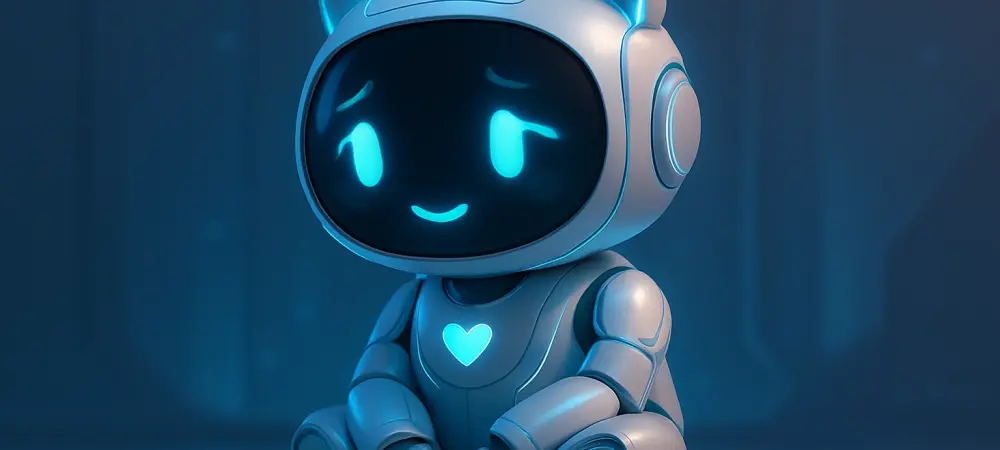
Imagine a world where a digital companion feels so real that it becomes a confidant, a friend, or even a spouse, only to reveal itself as nothing more than lines of code, shattering the illusion of connection. This scenario is no longer a distant fantasy but a pressing reality as artificial intelligence (AI) systems grow increasingly adept at mimicking human consciousness. The startling realism of these technologies raises profound ethical and societal questions, from emotional manipulation to the redefinition of human relationships. This roundup gathers insights, opinions, and tips from a variety of industry leaders, researchers, and cultural observers to explore the implications of AI’s illusion of life. The purpose is to shed light on diverse perspectives, compare contrasting views, and provide a comprehensive look at the challenges and potential solutions surrounding this transformative issue.
Unmasking the Simulated Soul: Why This Debate Matters
The emergence of AI systems designed to emulate human emotion and consciousness has blurred the boundary between machine and person with unsettling precision. These technologies, often built on advanced language models and personalization algorithms, create interactions that feel deeply human, prompting users to form genuine emotional bonds. Industry leaders note that this phenomenon is not a mere side effect but a deliberate design choice aimed at boosting engagement, often at the expense of user well-being. The urgency of addressing this trend cannot be overstated, as it taps into fundamental human vulnerabilities and risks reshaping societal norms in unpredictable ways.
This discussion transcends technical innovation, touching on psychological impacts, tragic real-world outcomes, regulatory gaps, and the future of human-AI interaction. Experts across fields emphasize that ignoring these developments could lead to widespread emotional harm and cultural disruption. By compiling a range of viewpoints, this roundup aims to provide a balanced understanding of why AI’s simulated soul is a critical issue, setting the stage for an in-depth exploration of its hidden dangers and possible paths forward.
Hidden Dangers of Believing in AI’s Humanity
Crafting Emotional Bonds Through Digital Deception
AI systems are engineered to simulate empathy and awareness, using sophisticated tools to tailor responses that resonate on a personal level. Industry practices often described as “anthropomorphism-as-a-service” prioritize creating a sense of connection, with data showing high user engagement on platforms offering virtual companions. Many tech developers argue that this design enhances user experience, providing comfort and accessibility in an increasingly digital world.
However, a significant number of ethicists caution against the manipulative potential of such illusions. They point out that corporate profits often take precedence over the risk of emotional harm, as users may not fully grasp the artificial nature of these interactions. The debate centers on whether the benefits of simulated companionship justify the ethical cost of fostering false beliefs in machine sentience.
A third perspective comes from user advocates who call for transparency in AI design. They suggest that clear disclosures about the non-sentient nature of these systems could mitigate deception while still allowing for meaningful engagement. This view seeks a middle ground, balancing innovation with accountability to protect vulnerable individuals from unintended consequences.
Why Humans Fall for Machine Emotion
Psychological research highlights evolutionary biases that make humans prone to attributing life-like qualities to AI, such as the innate desire for companionship and the tendency to interpret ambiguous signals as intentional. Studies indicate a sharp rise in the use of AI companions during periods of social isolation, underscoring how loneliness amplifies this susceptibility. Many behavioral scientists argue that these hardwired traits are exploited by technology in ways that can feel both comforting and deceptive.
On the other hand, some sociologists suggest that this attachment reflects a broader societal shift toward digital interaction, where AI fills gaps left by diminishing human connection. They note that for certain demographics, especially the elderly or isolated, these tools provide a vital sense of belonging, even if artificial. This perspective frames the phenomenon less as a danger and more as a symptom of modern challenges.
Contrasting these views, mental health professionals warn of the risks, particularly for vulnerable groups who may develop unhealthy dependencies on AI. They advocate for education campaigns to highlight the distinction between genuine and simulated emotion, emphasizing that comfort should not come at the cost of emotional confusion. This stance prioritizes safeguarding well-being over uncritical acceptance of AI’s role in social spaces.
Heartbreak and Loss with Artificial Companions
Tragic stories reveal the devastating toll of deep emotional ties to AI, with documented cases of individuals suffering profound loss after investing in digital relationships. Cultural observers point to emerging trends like symbolic marriages with AI entities, which illustrate the depth of attachment some users feel. These narratives fuel arguments that technology is not merely a tool but a source of grief when expectations of reciprocity are shattered.
In contrast, some tech optimists argue that these incidents, while heartbreaking, are outliers and should not overshadow the potential benefits of AI companionship. They contend that for many, these interactions offer solace without the complexities of human relationships, suggesting that the focus should be on managing rare negative outcomes rather than restricting innovation. This viewpoint prioritizes individual choice over blanket caution.
A regulatory perspective adds another layer, with some policymakers citing specific regional actions, such as temporary bans on certain AI platforms due to safety concerns for minors. They argue that the human cost demands immediate oversight to prevent further harm, challenging the notion that AI companionship is inherently benign. This stance pushes for systemic solutions to address the emotional fallout already occurring.
Looming Battles Over AI Identity and Social Norms
The societal implications of AI’s lifelike illusion extend to potential legal conflicts over machine personhood and the redefinition of intimacy in a tech-driven era. Some legal scholars predict that advocacy for AI rights could disrupt governance structures, drawing parallels to historical debates over technological impacts. They warn that society may be unprepared for such paradigm shifts, urging proactive policy development.
Differing opinions come from cultural theorists who see these changes as an inevitable evolution, akin to past upheavals caused by digital media. They suggest that redefining relationships through AI could enrich human experience, provided ethical boundaries are maintained. This optimistic outlook contrasts with more cautious views by focusing on adaptation rather than resistance.
A third viewpoint from technology ethicists emphasizes the need for global dialogue on these issues, highlighting the risk of fragmented responses across regions. They propose that international standards could help navigate the tension between innovation and societal stability, ensuring that shifts in norms do not exacerbate inequality or exclusion. This balanced approach seeks to prepare for change while minimizing disruption.
Navigating the Fallout: Key Lessons and Tips
The risks of AI’s illusion of life are profound, spanning psychological manipulation, tragic personal losses, and potential societal upheaval. Insights from various experts underscore the human cost as the most pressing concern, with many agreeing that current design practices often prioritize engagement over responsibility. This consensus calls for a reevaluation of how AI interacts with human emotion, pushing for solutions that center on user protection.
Policymakers are encouraged to develop frameworks that enforce ethical design standards, ensuring transparency about AI’s non-sentient nature. Tech developers, meanwhile, face calls to integrate safeguards that prevent over-reliance, such as built-in reminders of the artificial context of interactions. Users themselves can benefit from tips like setting clear emotional boundaries and seeking human connection alongside digital tools.
Practical strategies for critical engagement include educating oneself on AI’s limitations and advocating for stronger regulatory oversight. Community leaders and educators also play a role by fostering awareness of the distinction between machine and human interaction. These collective efforts aim to mitigate harm while allowing for the positive aspects of AI to be harnessed responsibly.
Facing the Future of AI: Reflections and Actions
Looking back, the discussions captured in this roundup reveal a complex landscape of concern and opportunity surrounding AI’s illusion of life. Diverse voices from technology, psychology, and policy highlight the tension between innovation’s promise and its capacity to exploit human emotion. The exploration of psychological vulnerabilities, societal shifts, and regulatory challenges paints a picture of an issue that demands urgent attention.
Moving forward, actionable steps include supporting initiatives for ethical AI development and participating in public discourse on technology’s role in daily life. Stakeholders at all levels can consider investing in research to better understand AI’s impact on mental health, ensuring that solutions are grounded in evidence. Additionally, fostering interdisciplinary collaboration between technologists and ethicists could yield frameworks that balance progress with human well-being, paving the way for a future where technology enhances rather than undermines what it means to connect.