

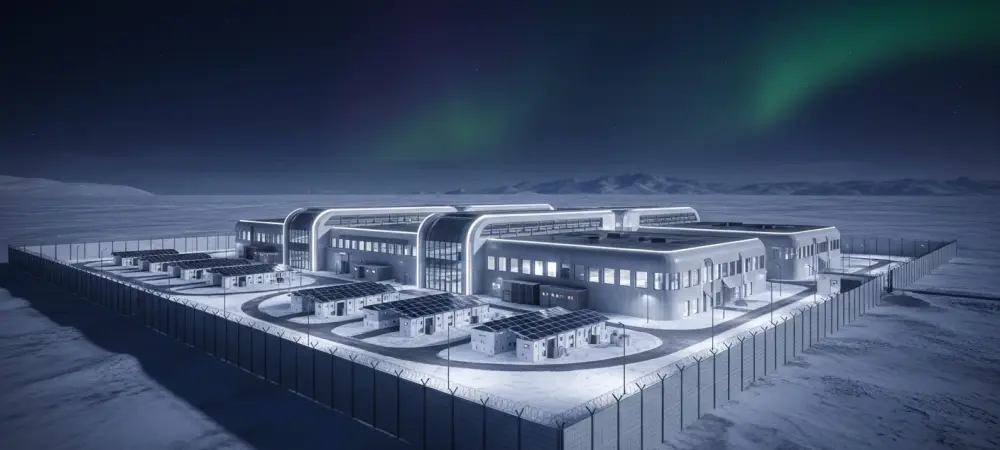
Enhancing National Infrastructure Through Arctic Tech Integration
The United States Air Force is currently redefining the utility of its northernmost military installations by inviting private industry to establish high-capacity data centers within secure federal perimeters. This strategic initiative targets Joint Base Elmendorf-Richardson, Eielson Air Force Base, and Clear Space Force Station. By exploring these partnerships, the military seeks to bridge the gap between national security requirements and the insatiable global demand for advanced data processing.
The Evolution of Federal Real Estate and Defense Strategies
This movement continues a federal strategy to optimize underutilized land across various administrations. Previously, the government identified thousands of acres for technological repurposing, reflecting a shift toward dual-use models that foster private innovation on government soil. This approach allows the Department of Defense to leverage existing assets while supporting the expansion of the national digital economy.
Analyzing the Operational and Strategic Parameters of the Alaska Initiative
The Necessity of Specialized Expertise in Arctic Environments
Building in sub-Arctic regions requires specialized engineering to handle permafrost and extreme thermal fluctuations. While these conditions present structural hurdles, the natural cooling provided by the Alaskan climate offers major energy advantages for server farms. Vendors must demonstrate a deep understanding of these geographical risks to ensure long-term operational stability.
Bridging the Gap Between Federal Land and Private Investment
Military bases offer hyperscalers like Microsoft and Google unparalleled physical security and stable land tenure. This collaborative model transforms federal real estate into a strategic asset, allowing private firms to scale in protected environments. This synergy optimizes the military land portfolio while providing the industry with much-needed space for massive server arrays.
Assessing Technical Feasibility and Resource Requirements
Current inquiries focus on power capacity and grid readiness. Determining if local utilities can sustain these loads or if independent energy solutions are needed ensures that future developments remain compatible with core military missions. This data-gathering phase is essential for mitigating risks before moving to formal contractual agreements.
Anticipating the Future of Secure Data Hubs
Proximity to hardened power sources will soon define the competitive advantage for decentralized computing. Innovations in modular design and small reactors will likely lead the next expansion phase, requiring updated regulations for private operations within restricted zones. These advancements will streamline how the tech sector integrates with federal infrastructure.
Recommendations for Industry Stakeholders and Policy Leaders
Technology firms must master military protocols and cold-weather engineering to succeed. Prioritizing scalable designs and transparent energy sustainability will be vital for securing long-term federal partnerships. Stakeholders should view this initiative as a blueprint for future land-use agreements that emphasize regional knowledge and operational resilience.
Strengthening the Intersection of Defense and Technology
The integration of commercial hubs into Alaskan bases established a precedent for public-private synergy. This initiative successfully aligned defense goals with digital growth. Moving forward, leaders focused on hardening these networks and implementing modular power solutions to ensure that critical infrastructure remained secure and resilient against emerging global threats.