

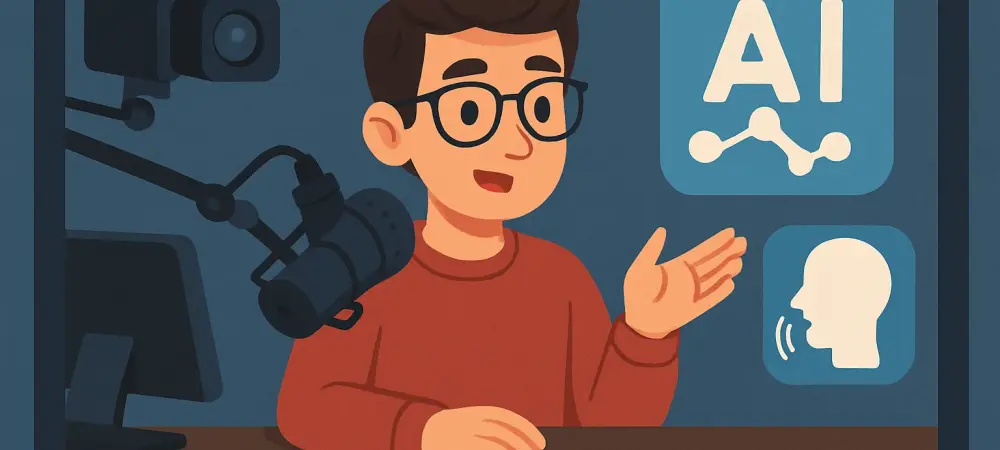
In an era where digital content reigns supreme, YouTube creators are constantly seeking innovative tools to stand out in a crowded space, and one technology is rapidly changing the game for video production. AI voice generator technology has emerged as a powerful ally, offering a seamless way to produce high-quality voiceovers and narration without the traditional hurdles of cost and time. This groundbreaking tool is empowering everyone from budding vloggers to seasoned media professionals to elevate their content with professional-grade audio. By removing the barriers associated with hiring voice actors or investing in expensive recording equipment, it allows creators to focus on crafting compelling stories and engaging their audiences. The impact of this technology is profound, as it not only streamlines workflows but also enhances the emotional resonance of videos through nuanced speech delivery. As more creators adopt this solution, the landscape of YouTube is being reshaped, making professional audio accessible to all.
Revolutionizing Audio Production for Creators
The advent of AI voice generator tools has fundamentally altered how YouTube creators approach audio production, bringing efficiency and accessibility to the forefront. One of the standout features is voice cloning, which allows users to replicate a specific voice using minimal audio samples. This capability ensures brand consistency across videos, as creators can maintain a recognizable auditory signature that resonates with their audience. Whether it’s a signature tone for intros or a familiar voice for storytelling, this technology captures the subtle nuances of human speech, fostering a deeper connection with viewers. Beyond mere replication, it offers customization options to adjust pitch and style, ensuring the voice aligns perfectly with the content’s intent. For creators managing multiple projects or channels, this means a unified sound that strengthens their identity without the need for repeated recordings or external talent, saving both time and resources in the process.
Another transformative aspect lies in the text-to-speech functionality, which converts written scripts into natural-sounding narration with remarkable precision. Unlike earlier robotic-sounding tools, modern AI systems can convey a range of emotions, from excitement to empathy, making the output suitable for diverse formats like tutorials, reviews, or emotional narratives. This feature enables creators to fine-tune the tone to match the video’s mood, enhancing engagement by making content feel more personal and relatable. For instance, a product review can exude enthusiasm to captivate viewers, while a documentary-style video might adopt a somber tone to evoke reflection. The speed of this process is equally impressive, as what once took hours or days to record can now be completed in mere minutes. This efficiency frees up valuable time for creators to focus on other critical aspects of content development, such as scripting, editing, and audience interaction, ultimately leading to a more polished final product.
Enhancing Efficiency and Affordability
One of the most compelling benefits of AI voice generator technology is the significant time savings it offers to YouTube creators striving to meet tight deadlines. Traditional voiceover production often involved coordinating with voice actors, booking studio time, and navigating multiple rounds of edits, a process that could stretch over days or even weeks. With AI-driven tools, that timeline is drastically reduced to just a few clicks, allowing creators to generate high-quality audio almost instantly. This rapid turnaround is particularly beneficial for those producing frequent content, such as daily vloggers or news channels, where staying relevant requires speed. By cutting down on production delays, creators can allocate more energy to creative planning, marketing strategies, and community engagement, all of which are vital for growing a channel’s reach and impact in a competitive digital space.
Equally important is the cost-effectiveness that AI voice generators bring to the table, democratizing access to professional audio for creators on any budget. Hiring voice talent and renting studio space can be prohibitively expensive, especially for independent creators or small teams just starting out. This technology eliminates those expenses by delivering studio-quality narration without the associated overhead costs. Moreover, it provides full commercial usage rights, ensuring that creators can monetize their content without legal concerns. This affordability does not come at the expense of quality, as the output maintains high standards that rival traditional recordings. For many, this means the ability to invest savings into other areas, such as better filming equipment or paid promotions, further enhancing their channel’s professionalism. As a result, even creators with limited resources can compete on a level playing field with larger, well-funded outlets.
Building Stronger Audience Connections
The ability of AI voice generators to maintain consistent voice quality across multiple videos plays a pivotal role in strengthening a channel’s brand identity and audience loyalty. Viewers often form emotional attachments to familiar voices, associating them with the content they enjoy. By using a consistent AI-generated voice, creators can build that sense of familiarity, making their channel instantly recognizable amidst a sea of content. This consistency is especially crucial for serialized content or ongoing series, where a uniform auditory experience reinforces continuity and keeps audiences coming back for more. Additionally, the technology’s capacity to adapt voices to different content styles ensures that the tone remains appropriate, whether it’s a lighthearted unboxing video or a serious educational piece, further solidifying the bond with diverse viewer demographics.
Beyond consistency, the emotional depth provided by AI-generated narration significantly enhances viewer engagement, a key metric for success on YouTube. The advanced algorithms behind these tools allow for subtle inflections and tonal variations that mirror human speech patterns, making the content feel authentic and relatable. For example, a storytelling video can evoke empathy through a warm, soothing voice, while a motivational clip can inspire with an energetic delivery. This emotional resonance helps creators forge stronger connections with their audience, as viewers are more likely to stay engaged with content that feels personal and impactful. By prioritizing audience connection over technical production challenges, this technology empowers creators to focus on what truly matters—delivering meaningful stories that leave a lasting impression and encourage long-term viewership growth.
Reflecting on a Game-Changing Innovation
Looking back, the integration of AI voice generator technology into YouTube content creation marked a turning point for countless creators aiming to elevate their work. It tackled long-standing challenges of time constraints and financial barriers, providing a solution that was both efficient and accessible. Features like voice cloning and emotionally nuanced text-to-speech redefined how audio was produced, ensuring that even those with minimal resources could achieve professional results. The impact was evident in the enhanced quality of content, as creators delivered consistent, engaging narration that resonated deeply with viewers. Moving forward, the focus should shift to exploring how this technology can further adapt to emerging content trends, such as interactive videos or multilingual narration, to keep pace with evolving audience expectations. Embracing ongoing advancements and experimenting with new applications will be key to sustaining this momentum, ensuring that creators continue to captivate and connect with global audiences in innovative ways.