

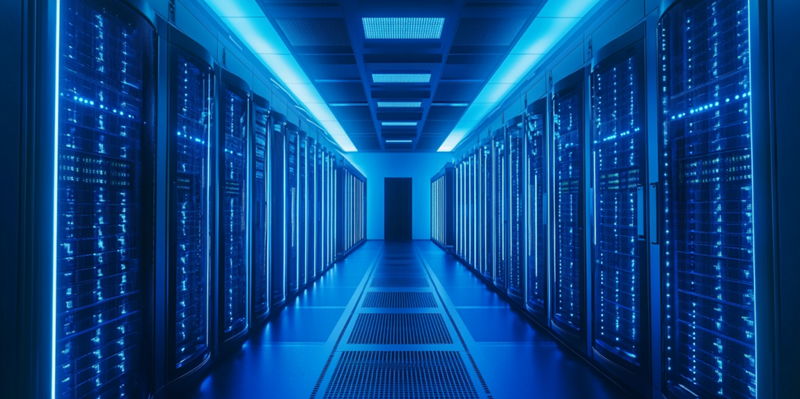
The rapid expansion of artificial intelligence (AI) technologies is causing a significant increase in energy consumption within data centers, imposing substantial financial and operational challenges that necessitate sustainable and efficient practices. Data centers now find themselves at a critical juncture: balancing their indispensable role in the digital economy with the urgent need to minimize environmental impact and control escalating costs. As AI-driven workloads continue to surge, data centers must adapt to new energy consumption patterns and find sustainable ways to support this growth while managing their operational costs effectively.
Unprecedented Growth in AI Workloads
The proliferation of AI-driven workloads is a key driver behind the rising energy demands in data centers, with AI applications such as machine learning operations and complex data analytics requiring immense computational power, translating into increased energy consumption. This trend has led to an expansive growth in data center capacity, projecting a continued upward trajectory as the demand for AI technologies escalates. The capacity of AI-focused data centers is expected to grow at an impressive compound annual growth rate (CAGR) of 40.5% through 2027. Concurrently, energy consumption from these AI workloads is forecasted to increase at a CAGR of 44.7%, reaching an astounding 146.2 Terawatt hours (TWh).
This explosive growth underscores the urgent need for data centers to adopt more energy-efficient practices and invest in renewable energy solutions. As AI becomes more integrated into various sectors, the computational intensity and complexity of tasks increase, exacerbating energy consumption challenges. Data center operators face the dual pressure of maintaining high performance levels while simultaneously curbing energy use and costs. The rising computational demands of AI-driven processes necessitate not only robust infrastructure but also innovative approaches to energy management to ensure long-term sustainability.
Financial Implications of Rising Energy Consumption
Electricity is one of the largest ongoing expenses for data centers, heavily impacting their operating costs, with power consumption accounting for a significant portion of these expenditures. In enterprise data centers, electricity comprises 46% of total costs, and this figure climbs to 60% in service provider facilities. As AI workloads drive up energy demands, electricity costs are expected to follow suit, with some projections indicating a compound annual growth rate (CAGR) exceeding 15%, and scenarios suggesting growth could surpass 20%.
For a data center operating at 1 MW of IT load in 2023, these rising costs pose substantial financial burdens. However, a 10% improvement in energy efficiency could yield considerable savings, emphasizing the necessity for efficiency investments. By focusing on reducing electricity consumption, data centers can mitigate the impact of rising energy prices and improve their financial stability. This financial pressure underscores the importance of implementing energy-efficient technologies and practices that can alleviate operational costs while enhancing sustainability.
Efficiency measures such as optimizing power distribution, enhancing cooling systems, and upgrading to more efficient hardware become pivotal in managing these rising costs. These strategies not only reduce operating expenses but also contribute to the overall sustainability of data center operations. In light of these financial pressures, data center operators are increasingly exploring innovative solutions to control energy consumption without compromising on performance.
Strategies for Boosting Energy Efficiency
To effectively address the energy consumption challenges posed by the surge in AI workloads, data centers must implement a range of efficiency-enhancing strategies. Sean Graham, research director at IDC, highlights several technological and operational approaches that can significantly improve efficiency, including advancements in chip efficiency, the adoption of liquid cooling systems, and the reimagining of data center design. Enhanced chip efficiency is crucial, as it allows for higher computational outputs with lower energy inputs, making it a key area of focus in managing AI workloads.
Innovations in semiconductor technology are driving the development of chips that deliver high performance while being energy efficient, essential for handling the increasing demands of AI-driven processes. Liquid cooling systems offer another significant efficiency gain by effectively dissipating heat, thereby reducing the need for energy-intensive air conditioning systems. By leveraging liquid cooling technology, data centers can achieve substantial energy savings and improve operational efficiency.
Additionally, redesigning data center layouts and optimizing power distribution methods can lead to considerable energy savings. Data center designs that allow for scalability and flexibility enable operators to manage growing workloads without proportionally increasing energy consumption. Flexible and modular designs can effectively accommodate the evolving needs of AI applications, ensuring that data centers can scale efficiently while minimizing their environmental footprint.
Embracing Renewable Energy Solutions
Adopting renewable energy sources represents a vital strategy for data centers striving to enhance sustainability. Renewable energy options such as solar and wind power provide significant environmental benefits and cost advantages, offering the lowest levelized cost of electricity (LCOE), making them economically attractive for data center operators. By situating data centers near renewable energy sources, operators can further enhance efficiency by reducing transmission losses and minimizing energy costs, thereby bolstering sustainability and resiliency.
This strategic placement not only supports sustainability goals but also improves the resilience and reliability of data center operations. As the transition to an AI-dominated future continues to unfold, integrating renewable energy into data center operations becomes increasingly critical. It allows operators to manage rising costs, reduce their carbon footprint, and align with broader sustainability objectives, ensuring long-term viability in a rapidly evolving landscape.
Moreover, renewable energy investments align with the growing emphasis on corporate social responsibility and sustainability benchmarks. As stakeholders and regulatory bodies intensify their focus on environmental impact, data centers integrating renewable energy are better positioned to meet these evolving expectations and requirements.
Navigating the Path to Sustainable Operations
The swift rise of artificial intelligence (AI) technologies is driving a notable surge in energy use within data centers, leading to substantial financial and operational hurdles. This situation demands the adoption of sustainable and efficient measures. Data centers are now at a pivotal point: they must balance their essential role in the digital economy with the pressing need to reduce their environmental impact and manage growing costs. As AI-driven tasks continue to increase, data centers must adapt to changing energy consumption patterns. They need to find sustainable methods to support this growth while keeping operational expenses in check. The evolving landscape of AI means that data centers must implement innovative strategies to handle the increased energy demands. Solutions such as energy-efficient cooling systems, renewable energy sources, and advanced power management techniques can play a crucial role in addressing these challenges. Ultimately, the goal is to ensure that data centers can sustain their growth and contribute positively to environmental sustainability.