

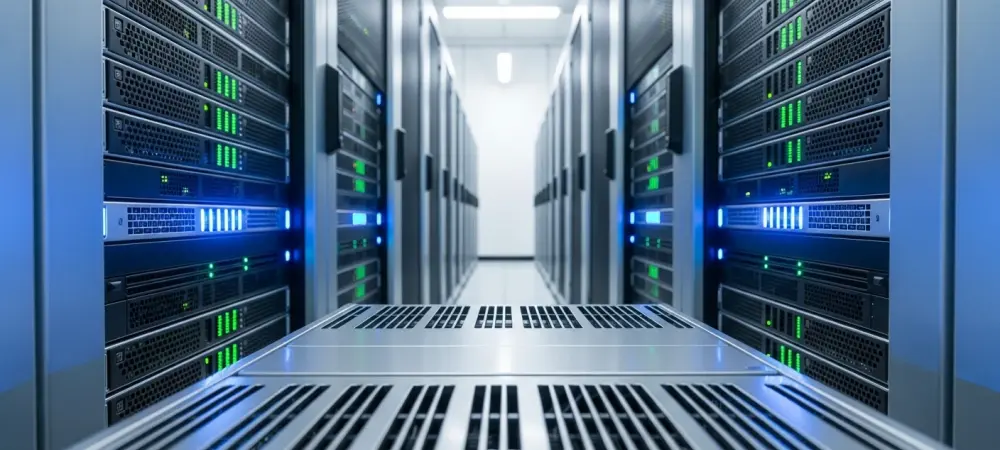
The rapid evolution of artificial intelligence has transitioned from a theoretical corporate interest to the primary engine of global infrastructure investment, redefining the financial trajectories of legacy technology giants. Dell Technologies recently demonstrated the sheer scale of this shift by reporting fiscal 2026 results that shattered previous records and exceeded even the most optimistic Wall Street projections. By anchoring its strategy in the high-performance computing sector, the company has managed to outpace traditional competitors and establish a new benchmark for success in the post-GPU revolution era.
This article examines the specific factors that contributed to Dell’s historic performance over the past twelve months. We will explore the surge in AI-optimized server sales, the strategic shift in capital allocation, and the forward-looking guidance that suggests the current growth phase is only the beginning. Readers can expect a detailed breakdown of how a hardware mainstay transformed into a pivotal player in the global AI ecosystem.
Key Insights into Dell’s Fiscal Performance
What Were the Primary Drivers of Dell’s Record Revenue in Fiscal 2026?
The foundation of Dell’s success in fiscal 2026 rests on a massive 19% increase in full-year revenue, which reached an unprecedented $113.5 billion. While the company has long been associated with personal computers, the real momentum shifted toward the data center during the fourth quarter. During this final stretch, revenue surged 39% year-over-year to $33.4 billion, driven by an insatiable appetite for the hardware required to train and deploy large language models. This performance resulted in adjusted earnings per share of $3.89, a figure that significantly beat consensus estimates and triggered an immediate 20% rally in the company’s stock price. Moreover, the Infrastructure Solutions Group became the undisputed star of the portfolio, posting a 73% revenue increase to $19.6 billion in the fourth quarter alone. This growth was not merely a result of higher sales volume but reflected a shift toward higher-margin, specialized equipment. By focusing on the high-end server market, Dell successfully navigated a complex macroeconomic environment, proving that enterprise spending on AI remains resilient even when other sectors face tightening budgets.
How Did the AI Server Segment Impact the Company’s Backlog and Future Outlook?
The “AI opportunity” described by management is best illustrated by the staggering $64 billion in orders secured for AI-optimized servers throughout the fiscal year. Of these orders, the company shipped more than $25 billion worth of units, yet it still concluded the year with a record-breaking backlog of $43 billion. This massive pile of unfulfilled orders provides a clear line of sight into future revenue, suggesting that the demand for specialized AI hardware is far outstripping the current pace of production and delivery. In the fourth quarter, the specific revenue from AI-optimized servers skyrocketed by 342%, reaching $9.0 billion. This explosion in sales is supported by a rapidly diversifying customer base that now includes more than 4,000 organizations. As businesses across various industries race to integrate machine learning into their operations, Dell has positioned itself as the preferred provider of the physical infrastructure necessary to support these intensive computational workloads.
What Does the Strategic Guidance Reveal About Growth Expectations for Fiscal 2027?
Looking ahead, Dell has issued aggressive guidance that signals a continuation of this upward trend through fiscal 2027. The company forecasts total revenue to fall between $138 billion and $142 billion, representing an approximate 23% growth rate at the midpoint. Central to this projection is the expectation that AI-optimized server revenue will double, reaching $50 billion. Such a target underscores the company’s belief that the infrastructure build-out for artificial intelligence is a multi-year cycle rather than a temporary spike in spending.
However, this ambitious outlook is tempered by the reality of rising component costs. Management noted that the price of memory chips and other critical hardware elements has led to “sticker shock” for some clients. To mitigate these risks, the company is prioritizing supply chain security and execution over short-term margin maximization. By securing the necessary components today, Dell aims to maintain its lead over rivals like Super Micro Computer and HP Inc. in a market where availability is often more important than price.
How Is the Company Balancing Growth with Shareholder Returns?
Despite the capital-intensive nature of scaling server production, Dell remained committed to returning value to its investors throughout fiscal 2026. The board authorized a new $10 billion share repurchase program and implemented a 20% increase in the annual cash dividend. Total returns to shareholders for the year amounted to $7.5 billion, a strategy designed to maintain investor confidence and bolster earnings per share even as the company reinvests heavily in its technological capabilities.
This balanced approach demonstrates a high level of fiscal discipline. While the Client Solutions Group, which handles the PC business, saw a more modest growth of 14%, the cash flow generated from these traditional segments helped fund the expansion of the AI division. By leveraging its established market presence in consumer electronics to fuel its high-growth enterprise ambitions, Dell has created a self-sustaining cycle of innovation and capital return.
Summary of Financial Milestones
The fiscal 2026 report confirmed Dell’s successful transition from a hardware generalist to an AI infrastructure powerhouse. By delivering record revenue and securing a historic backlog, the company demonstrated that its strategic pivot toward the data center was both timely and effective. The triple-digit growth in AI server sales provided the necessary momentum to outperform market expectations and set the stage for even higher targets in the coming year.
Strategic investments in the supply chain and a robust capital allocation policy ensured that the company remained attractive to investors while scaling its operations. Despite the challenges posed by rising component costs and a competitive landscape, the organization maintained a clear focus on fulfilling the needs of an expanding global customer base. The integration of high-margin AI solutions across the business model has fundamentally altered the company’s valuation and market standing.
Final Reflections on Dell’s Trajectory
The shift in Dell’s performance highlighted the importance of agility in a rapidly changing technological landscape. Organizations that once viewed AI as a peripheral concern were forced to recognize it as a core requirement for future competitiveness, and Dell was ready to meet that demand. This period of growth was characterized by a focus on high-performance computing that ultimately overshadowed the traditional PC market, marking a permanent change in the company’s identity.
Looking forward, the challenge for the industry will be maintaining this pace of innovation while managing the volatility of global supply chains. As businesses move toward fiscal 2027, the focus must remain on optimizing the efficiency of AI infrastructure and ensuring that the massive backlogs are converted into operational reality. Stakeholders should consider how these developments in enterprise hardware will eventually trickle down to affect broader software capabilities and consumer applications in the years ahead.