

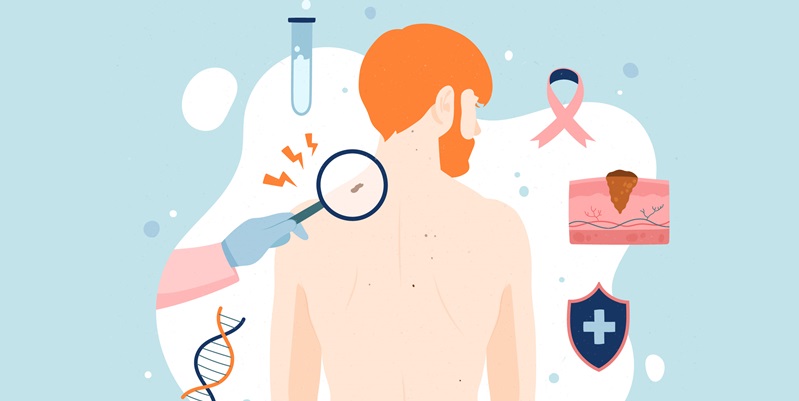
Advancements in artificial intelligence (AI) are transforming the field of dermatology, particularly in the early detection and diagnosis of skin cancer. These developments not only enhance clinical outcomes but also encourage preventive healthcare behaviors among patients. This article delves into AI’s role in improving diagnostic accuracy, driving behavioral changes in health monitoring, and implementing innovative healthcare solutions like Bupa’s Blua digital service.
Enhanced Diagnostic Accuracy with AI
Clinical Studies Demonstrate AI’s Efficacy
A pivotal study conducted by Stanford Medicine in 2024 compared the performance of clinicians in diagnosing skin cancer with and without AI assistance. Results indicated a significant increase in sensitivity from 74.8% to 81.1% when AI tools were utilized. The AI-assisted approach particularly benefited non-dermatologists, highlighting the capability of AI to democratize expertise and substantially improve diagnostic accuracy across various medical practitioners.
Further analysis shows that this enhanced diagnostic capability extends beyond just skin cancer identification. AI tools have the potential to assist in recognizing a broad range of dermatological conditions that might otherwise be misdiagnosed or overlooked by general practitioners. This means that with AI’s continued advancement, the gap between specialists and non-specialists can be significantly narrowed, ensuring high-quality healthcare is more uniformly distributed across different medical tiers.
Democratizing Expertise through AI
The integration of AI into dermatological practices means that non-specialists can now diagnose skin cancer with improved accuracy. This development ensures that patients receive timely and accurate diagnoses, regardless of the specialist availability. Leveraging AI in this manner bridges the expertise gap and provides high-quality care to a broader patient population.
Moreover, the use of AI-powered diagnostic tools is empowering for healthcare providers in rural or underserved areas. These regions often face a shortage of specialized medical professionals, making comprehensive care challenging. With AI’s assistance, local clinics can provide reliable dermatological assessments, reducing the necessity for patients to travel long distances for specialist consultations.
Behavioral Change through AI Integration
Addressing Rising Cancer Incidence
Research highlighted by BMJ Oncology shows a surge in cancer diagnoses among individuals under 50 by nearly 80% over the past three decades. Specifically, melanoma skin cancer cases have increased by 38% in the last ten years. This data underscores the urgent need for early detection and intervention to effectively manage and treat skin cancer.
Such alarming statistics have accentuated the demand for improved public health strategies focused on early diagnosis and prevention. The rise in cancer cases among younger populations signifies potential lifestyle and environmental factors contributing to this trend. Consequently, there’s an acute need for tools that not only aid early detection but also educate and encourage preventative behaviors among the public, aiming to reduce the incidence of advanced-stage diagnoses.
Enhancing Proactivity through AI Tools
Only 9% of individuals with concerning moles seek professional examination promptly. However, Bupa’s research indicates this figure jumps to 33% when an AI-powered phone app is available for initial assessments. AI tools drive significant behavioral change by making people more proactive about monitoring their health, thus facilitating early detection and timely intervention.
This behavioral shift is crucial for long-term health outcomes, as early-stage skin cancers are often more treatable and have better prognoses compared to advanced-stage conditions. By providing an accessible, user-friendly platform for initial assessments, AI applications encourage users to engage more actively in their healthcare routines. This kind of engagement is essential for fostering a culture of preventative care, which can significantly impact public health on a broad scale.
AI-driven Healthcare Solutions — Bupa’s Blua Service
Introduction to Blua Digital Healthcare Service
Bupa has introduced Blua, a comprehensive digital healthcare service offering virtual consultations, digital health programs, and remote healthcare services. At the core of Blua is an at-home dermatology tool, which allows customers to upload photos of skin lesions for AI-driven analysis. The tool compares these images against a vast database, identifying 302 different skin pathologies to advise customers if further medical consultation is necessary.
The convenience of uploading images from the comfort of one’s home cannot be overstated, particularly in the context of ongoing global health crises or mobility challenges faced by many patients. Blua’s AI-driven approach also ensures rapid analysis, reducing the anxiety associated with waiting for dermatological assessments. This immediacy can be crucial in catching potentially malignant changes in their infancy, thereby allowing for more effective, less invasive treatment options.
Promoting Early Diagnosis and Accessibility
Blua’s at-home dermatology tool ensures that customers can receive timely and accurate advice from the comfort of their homes. This service is especially beneficial for those in remote or underserved areas, proving that digital health tools are critical in promoting early diagnosis and ongoing health monitoring. The convenience and accessibility provided by Blua underscore the importance of integrating AI into everyday healthcare practices.
Furthermore, Blua’s service highlights the democratizing effect of digital health solutions, offering high-quality care without the barriers of geography or socioeconomic status. By lowering the entry threshold for professional medical advice, AI-driven platforms can also alleviate some burdens on the healthcare system, allowing for more strategic allocation of medical resources and personnel.
Overarching Trends and Consensus Viewpoints
Growing Adoption of AI in Healthcare
The integration of AI in healthcare is on the rise, driven by the need to enhance diagnostic accuracy and operational efficiency. AI solutions augment clinical practices, providing valuable support to medical professionals and improving patient outcomes. The adoption of digital health tools reflects a broader trend toward innovative technologies that streamline healthcare delivery.
From enhanced imaging analysis to predictive analytics, AI’s role in healthcare is omnipresent and growing. The potential for AI to aid in personalized treatment plans tailored to demographic and genetic factors is particularly compelling. This precision in medical care can lead to better-targeted therapies, reduced side effects, and overall improved patient satisfaction and recovery rates.
Shift Towards Preventative Medicine
There is a noticeable shift in healthcare towards preventive medicine, with AI playing a pivotal role in this transition. Early detection and monitoring enabled by AI reduce the necessity for invasive procedures and lead to better long-term health outcomes. Preventative care is becoming increasingly important as healthcare systems strive to manage rising disease prevalence and associated costs.
This shift is supported by growing evidence showing that preventive measures are cost-effective and beneficial in improving the quality of life. AI-powered tools that offer continuous monitoring, early warnings, and health tips can significantly reduce hospital admissions and complicated medical interventions, thus promoting a healthier, more aware society.
Patient Empowerment through Technology
Accessible Healthcare for All
AI-powered tools empower patients by making healthcare more accessible and manageable. The availability of health monitoring apps and at-home diagnostic tools enables individuals to take a proactive role in their health management, fostering a sense of empowerment and responsibility. These tools are crucial in promoting health equity, particularly for those with limited access to traditional healthcare services.
As more patients engage with these digital tools, there is also an opportunity to collect vast amounts of health data, which can be invaluable for research and public health initiatives. By analyzing patterns within this data, healthcare providers can identify trends, potential risk factors, and areas in need of increased focus, thereby improving overall public health strategies.
Integration into Everyday Devices
The integration of AI into smartphones and other everyday devices is transforming how individuals interact with healthcare services. This accessibility means that more people can benefit from early diagnostic tools, leading to prompt medical attention when needed. AI technologies embedded in commonly used devices ensure that healthcare is more reachable and user-friendly.
This trend towards ubiquitous healthcare monitoring is likely to increase as wearable technology advances. Smartwatches, fitness trackers, and even AI-enabled home assistants can provide real-time health insights, reminders for medication, and alerts for unusual health patterns. These advancements make everyday devices an essential part of personal healthcare ecosystems, further integrating health management into daily life.
Conclusion
The rapid advancements in artificial intelligence (AI) are revolutionizing the field of dermatology, especially in the early detection and diagnosis of skin cancer. AI technologies are significantly improving diagnostic accuracy, which allows for earlier intervention and better patient outcomes. These innovations do more than just enhance clinical results; they also encourage patients to adopt preventive healthcare measures. The effective use of AI in dermatology not only aids healthcare professionals but also empowers patients to take charge of their health by using tools that monitor skin conditions over time. A prime example of implementing AI in healthcare is Bupa’s Blua digital service, which leverages advanced algorithms to offer real-time, personalized health insights. This article explores the various ways AI contributes to dermatology, from boosting diagnostic precision and driving changes in health monitoring behaviors to integrating new healthcare solutions like Blua. By harnessing the power of AI, the future of dermatology looks promising, with substantial improvements in both patient engagement and clinical outcomes.