

Introduction
Imagine a world where a simple smartphone photo can detect early signs of gum disease before any pain sets in, potentially saving millions from costly dental procedures, and this is no longer a distant dream but a reality being shaped by artificial intelligence (AI) in dentistry. Oral health, often overlooked in broader healthcare discussions, affects billions globally, with untreated issues leading to significant economic and personal burdens. The integration of AI into this field promises to tackle longstanding challenges like limited access and high costs by emphasizing prevention over reaction. This FAQ article aims to address key questions surrounding AI’s role in transforming dental care, offering insights into its benefits, challenges, and future potential. Readers can expect to explore how this technology enhances efficiency, improves patient outcomes, and navigates complex hurdles in adoption.
The scope of this content spans from the pressing global oral health crisis to specific AI innovations that are redefining clinical and operational practices. By breaking down critical topics, the goal is to provide clarity on how these advancements impact both practitioners and patients. Each section will delve into distinct aspects, ensuring a comprehensive understanding of this digital revolution in dentistry.
Key Questions or Key Topics
How Severe Is the Global Oral Health Crisis?
The global oral health crisis represents a staggering public health challenge, often underestimated in its scale and impact. According to data from the World Health Organization, nearly 3.7 billion people worldwide suffer from oral diseases, making it the most common health condition globally. In the United States alone, the Centers for Disease Control and Prevention estimate that untreated dental issues result in a $46 billion annual loss in productivity, compounded by the fact that 72 million Americans lack dental insurance, delaying essential care.
This crisis manifests in various troubling ways across different regions. In the United Kingdom, for instance, “dental deserts”—areas with scarce access to care—have led to a rise in dangerous DIY dentistry, with a significant percentage of dentists reporting patients attempting self-treatment since recent healthcare disruptions. Such systemic barriers highlight the urgent need for innovative solutions to bridge gaps in access and affordability, setting the stage for technologies like AI to make a meaningful difference.
What Role Does AI Play in Preventing Dental Issues?
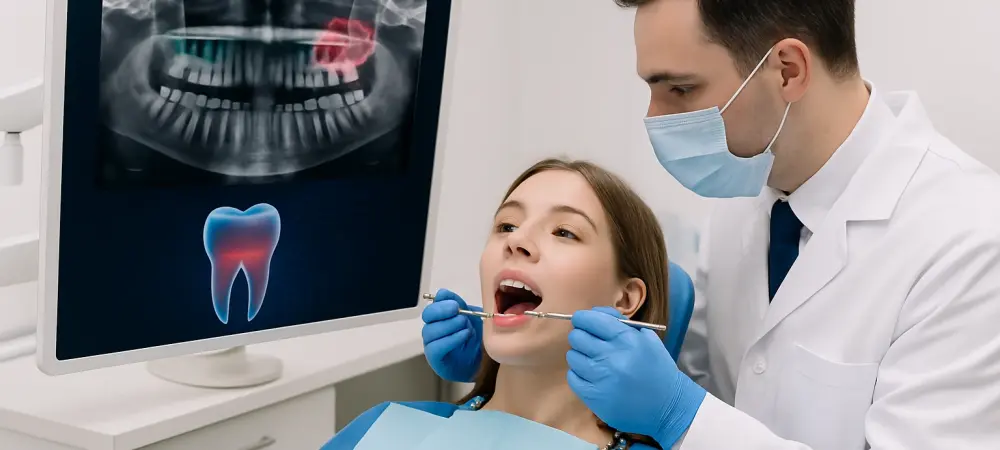
AI is emerging as a powerful tool to shift dentistry from a reactive to a proactive approach, focusing on prevention rather than treatment. Startups are developing systems that analyze images to detect early signs of cavities and gum disease, often before patients or even clinicians can spot them. This early intervention can prevent the need for invasive and expensive procedures, aligning with the fundamental goal of preserving oral health.
A notable example involves companies that use AI to empower patients with accessible diagnostic tools, such as smartphone-based scans that flag potential issues. By catching problems early, these innovations reduce both the financial burden on individuals and the strain on overburdened dental systems. Industry leaders argue that prevention is the cornerstone of modern dentistry, and AI’s ability to support this shift is backed by growing adoption in pilot programs worldwide, demonstrating tangible improvements in patient outcomes.
How Does AI Improve Efficiency in Dental Practices?
Beyond clinical applications, AI is revolutionizing the operational side of dental practices by addressing administrative bottlenecks that hinder access to care. Many dental offices struggle with time-consuming tasks like scheduling, billing, and patient communication, which can limit the number of patients seen daily. AI-driven solutions automate these processes, cutting overhead costs and allowing practitioners to focus more on patient care.
Specific technologies target insurance claims management, using algorithms to validate X-rays and streamline approvals, thus reducing denials and improving cash flow for practices. This efficiency not only benefits providers by optimizing resources but also enhances the patient experience through faster service delivery. The impact is clear in practices that have adopted such tools, reporting significant time savings and an increased capacity to serve underserved populations.
What Challenges Does AI Face in Dentistry Regarding Bias and Trust?
While AI offers immense potential, significant challenges arise in ensuring fairness and maintaining trust in its applications within dentistry. Dental tissues vary widely across individuals and ethnicities, raising concerns about algorithmic bias if systems are not trained on diverse datasets. Misdiagnosis risks could exacerbate existing inequities in healthcare if these biases are not addressed through rigorous audits and inclusive design.
Trust is another critical hurdle, as both patients and clinicians may question the reliability of AI-driven recommendations. Critics emphasize that technology cannot replicate human judgment, particularly in understanding a patient’s broader context, such as financial limitations or emotional needs. Experts advocate for transparency in how AI is used and stress the importance of keeping clinicians central to decision-making, ensuring that technology serves as a supportive tool rather than a replacement for professional expertise.
What Are the Barriers to Adopting AI in the Dental Industry?
Adoption of AI in dentistry faces substantial barriers, rooted in both cultural and structural aspects of the industry. Traditionally, dental practices have been slow to embrace change, often adhering to established methods despite external pressures like rising insurance claims and links between oral health and systemic conditions such as diabetes. This resistance to innovation can delay the integration of transformative technologies. Regulatory uncertainties and privacy concerns further complicate the landscape, as compliance with healthcare standards and reimbursement models must be navigated carefully. Despite these challenges, investor confidence remains strong, with substantial funding rounds supporting AI startups in this space, indicating a belief in long-term scalability. Companies are addressing adoption issues by aligning with existing frameworks and providing clear disclosures, though widespread implementation will require sustained effort to overcome entrenched mindsets.
Summary or Recap
This article highlights the transformative potential of AI in dentistry, addressing critical questions about its impact on prevention, efficiency, and access to care. Key insights include the severity of the global oral health crisis, with billions affected by preventable conditions, and how AI offers solutions through early detection and streamlined operations. Challenges such as bias, trust, and adoption resistance are acknowledged as significant hurdles that require careful navigation to ensure equitable and ethical outcomes. The main takeaway is that AI stands as a promising ally in redefining dental care, provided that human oversight and regulatory clarity remain priorities. For readers seeking deeper exploration, resources from dental associations and technology journals offer valuable perspectives on ongoing developments in this field. Staying informed about these advancements can help both practitioners and patients understand the evolving landscape of oral health.
Conclusion or Final Thoughts
Looking back, the journey of AI in dentistry reveals a compelling blend of innovation and caution, as technology tackles deep-rooted issues in oral healthcare. The path forward hinges on actionable steps, such as investing in diverse datasets to minimize bias and fostering collaborations between tech developers and dental professionals to build trust. Encouraging pilot programs in underserved regions could also accelerate access to care, proving the real-world value of these tools.
Reflecting on this topic, it becomes evident that balancing technological advancement with human empathy is crucial in shaping effective solutions. Readers are encouraged to consider how these innovations might influence their own interactions with dental care, whether by exploring AI-assisted tools or advocating for broader adoption in their communities. Embracing this digital shift could pave the way for a healthier, more accessible future in oral health.