

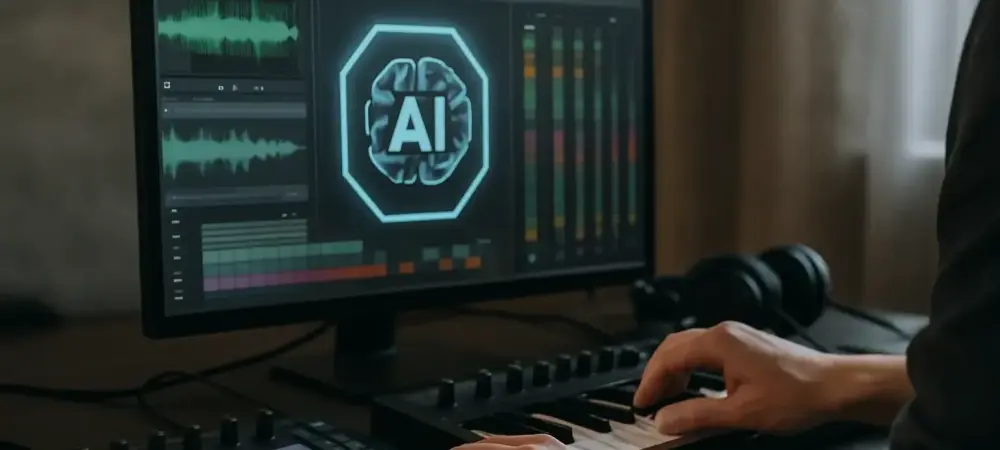
The world of music creation has experienced an extraordinary transformation with the integration of artificial intelligence. AI music generators have emerged as revolutionary tools, opening up endless possibilities for musicians, content creators, and enthusiasts alike. As these technological marvels reshape the music industry, they offer unprecedented convenience and creative freedom. This review delves into the intricacies of AI music generators, assessing their technological underpinnings, key features, and implications across various applications.
Analyzing AI Music Generation Technology
AI music generators operate by leveraging advanced algorithms to compose music, often using machine learning and neural networks. At their core, these systems analyze vast datasets of existing music to understand patterns, structures, and styles. Through this sophisticated process, the technology creates unique musical compositions, whether instrumental tracks or full songs. In the broader music landscape, AI music generators signify a monumental leap, enabling creators to explore innovative musical expressions without traditional constraints.
AI-driven systems are reshaping the way music is perceived and produced. They fit seamlessly into both traditional and digital music environments, highlighting their growing relevance across industries. These tools are not only democratizing music creation but also extending the boundaries of creativity and originality in music production.
Exploring the Features of AI Music Generators
Rapid Music Creation
One outstanding feature of AI music generators is the ability to create music instantly. This fast-paced compositional capability enables users to generate unique tracks within seconds by simply providing a basic input or lyrical idea. The functionality satisfies demands for quick musical outputs, making it particularly invaluable when creativity strikes unexpectedly or when rapid production is necessary for tight deadlines.
AI-Driven Lyric Composition
AI’s foray into lyric composition is another transformative aspect. These systems can craft original song lyrics based on inputs like themes or moods, integrating seamlessly with music creation to form complete songs. The technical sophistication underlying this feature harnesses natural language processing, allowing AI to generate coherent, meaningful, and contextually relevant lyrics—a boon for songwriters and producers seeking fresh material.
Innovations and Trends in AI Music Generation
As we assess the latest developments in AI music generation, new trends and innovations stand out. The technology has witnessed continuous enhancements in compositional quality and customizable features, improving the user experience. These advancements align with shifting consumer behavior, as both casual and professional creators seek music tailored to personalized preferences. Additionally, the integration of AI in mainstream music-making has further driven interest and investment in this burgeoning field.
Industries like streaming platforms and entertainment services are increasingly influencing AI music technology. This interaction leads to sophisticated features catering to consumer demands and sets trends that captivate the audience’s ever-evolving tastes.
Applications of AI Music Generators
The applicability of AI music generators extends across a diverse array of industries. In the realm of video production, these tools are instrumental in creating background scores and soundtracks that enhance visual narratives. In gaming, AI-generated music plays a crucial role in immersing players into dynamic worlds, reinforcing themes and atmospheres.
Content creation is another domain where AI music generators have found firm footing. From podcasts to social media content, the technology simplifies music integration, empowering creators to add distinctive auditory elements and elevate their outputs. The adaptability of AI-generated music ensures that it aligns perfectly with the unique demands of different sectors.
Overcoming the Challenges of AI Music Generators
Despite the promising potential of AI music generators, the technology faces several challenges. Technically, maintaining a delicate balance between creativity and computational algorithms remains a critical hurdle. Regulatory frameworks also pose questions concerning copyright and ownership, as AI-generated compositions blur traditional lines. Moreover, market competition challenges companies to innovate continually in order to stay relevant.
Efforts to address these issues are ongoing. Developers are focused on enhancing AI models to improve musical quality and ensure legal compliance. Additionally, collaborative approaches between traditional musicians and technologists aim to foster a mutual understanding and aid in overcoming regulatory challenges.
Future Prospects for AI Music Generators
Looking ahead, the future of AI music generators appears promising, with anticipated breakthroughs that could redefine music composition and production. Continuous advancements in AI capabilities potentially lead to more sophisticated and contextually aware compositions. The technology may also expand into new areas, encouraging experimentation and collaboration across creative fields. Anticipated developments could revolutionize the music industry, placing AI music generators at the forefront of cultural and artistic evolutions. Their societal impact might further extend to educational domains, nurturing future generations of musicians attuned to this digital era’s demands.
Technology Review Conclusion
In summation, AI music generators stand as a testament to technological innovation in the music industry. Their features, including instant music creation and AI-driven lyric composition, showcase the immense possibilities for both amateur and professional creators. Challenges remain, yet ongoing advancements suggest a bright future where AI music generators play a central role in reshaping musical landscapes. With thoughtful integration and consideration, this technology promises to unlock unparalleled creative potential and redefine the boundaries of music creation.