

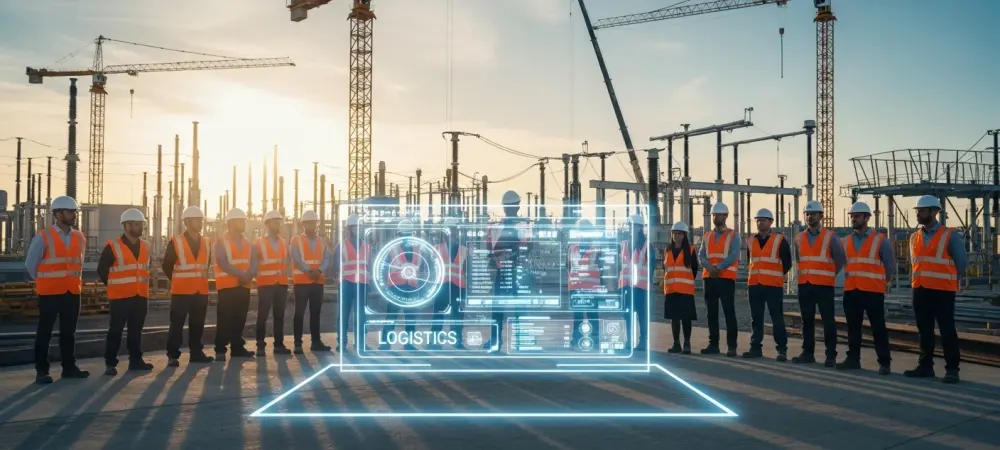
The Strategic Intersection: Silicon Valley and the Skilled Trades
The massive migration of capital from purely virtual ecosystems to the gritty foundations of our physical infrastructure marks the most significant economic realignment of the current decade. For years, the digital gold rush focused primarily on social media and software-as-a-service, but the current environment demands a return to brick, mortar, and copper. Tech titans are now pouring hundreds of millions of dollars into the physical workforce to ensure the survival of their own digital ambitions. Google has directed $50 million toward training hundreds of thousands of Americans in trades, while Meta has expanded its workforce academy with an investment exceeding $115 million.
These massive investments represent a defensive strategy against a severe shortage of skilled labor. As artificial intelligence continues its expansion, the demand for physical infrastructure—data centers, power grids, and specialized cooling systems—is skyrocketing. A critical labor shortage, rather than a lack of capital or semiconductor chips, has become the primary bottleneck for technological growth. Without electricians, HVAC technicians, and pipefitters, the physical nodes of the internet cannot expand to meet demand. This imbalance has created a projected gap of over two million unfilled jobs by 2030, necessitating a total modernization of how trade labor is recruited and managed.
The Legacy of Digital Neglect: The Shift to Physical Reality
For the better part of two decades, the trades remained largely untouched by the software revolution that transformed every other sector of the economy. When the concept of software consuming the world first gained traction, it stopped at the door of the local contractor or home service provider. This $2.1 trillion market was neglected partly because of a cultural disconnect between the high-tech hubs of the coast and the back offices of plumbing and electrical businesses. This bubble effect left essential industries reliant on antiquated systems, manual scheduling, and paper-based documentation.
However, a significant generational shift is finally closing this gap. A new wave of trade business owners is entering the workforce with high levels of digital literacy and coding skills. This group is increasingly applying sophisticated high-tech solutions to traditionally low-tech environments, recognizing that efficiency in the “dirty” trades is just as valuable as efficiency in a software company. As these tech-literate professionals take the lead, they are integrating intelligent tools into businesses that once operated entirely on instinct and paper ledgers, creating a unique opportunity for market-wide transformation.
The Technological Architecture of the Modern Service Sector
Customer Engagement: Redefining Interaction via Intelligent Automation
One of the most critical challenges in the trade sector is the missed call problem, where a single unanswered phone inquiry can result in thousands of dollars in lost revenue. AI voice agents and lead management platforms are now stepping in to solve this asymmetry by managing customer interactions in real time. These tools can handle quotes, address objections, and book appointments without human intervention. Crucially, the technology serves as a productivity multiplier for the technician. While an agent can manage the administrative burden of an estimate, it cannot physically wire a building, ensuring that the software remains a support mechanism for human labor.
Field Performance: Optimizing Output Through Data and Logistics
Beyond the office, intelligence is radically improving the efficiency of field operations by minimizing windshield time—the unproductive hours spent driving between job sites. Scheduling engines now prioritize efficient routing over isolated customer requests, maximizing the daily output of every technician in the field. Simultaneously, advanced recording and analysis tools provide real-time feedback on sales pitches and service calls, offering data-driven insights that were once reserved for corporate sales floors. This level of analytics empowers contractors to run their operations with the logistical precision of a major corporation, identifying exactly why specific deals fail to close.
Scaling the Physical World: Centralized Operating Systems as Foundations
The fragmentation of the trade industry is being addressed by massive platforms that serve as the operating systems for the physical world. These vertical software solutions aggregate data from billions of dollars in transactions, streamlining everything from project documentation to billing. By digitizing traditionally manual workflows, these systems allow small and medium-sized businesses to operate with institutional sophistication. For instance, image-based intelligence now turns field photos into organized project records and automated reports, increasing transparency for customers and reducing the time technicians spend on paperwork.
Future Shifts in the Industrial and Technological Landscape
The trajectory of the coming years suggests that the trades will become the primary driver of software innovation. As the demand for data centers and power grid upgrades accelerates to support global computing needs, the industry will shift toward more integrated hardware-software solutions. Regulatory pressure to modernize infrastructure will likely increase, alongside economic shifts that place a higher premium on physical expertise. Scarcity of trade labor will likely make these roles some of the most resilient and high-paying jobs in the economy, as the difficulty of automating physical tasks in non-standardized environments provides a natural shield against total displacement.
Strategic Recommendations for a Tech-Enabled Workforce
To remain competitive in this evolving landscape, business owners must embrace a digital-first mindset. Actionable strategies include the immediate adoption of vertical software platforms to centralize data and move away from fragmented systems. Businesses should prioritize automated first impressions by using intelligent communication tools to ensure no lead goes unanswered. For individual professionals, the focus should be on mastering both the traditional craft and the digital tools that manage it. Best practices now involve using technology to handle the administrative drudgery, allowing the workforce to focus on high-value, physical labor that commands a premium.
The Lasting Resilience: Reflections on the Physical Economy
The revitalization of the skilled trades through intelligent systems represented a fundamental shift in how society valued essential labor. This period of transition highlighted that the most effective strategy for longevity relied on a hybrid approach to professional development. While cognitive roles faced significant volatility, the physical economy remained anchored in the tangible reality of the world. The industry discovered that the most successful practitioners were those who leveraged these digital advancements to reclaim their time and focus on specialized craftsmanship. This alignment ultimately proved that the highest purpose of software was not the replacement of the worker, but the reinforcement of the human element within the built environment.