

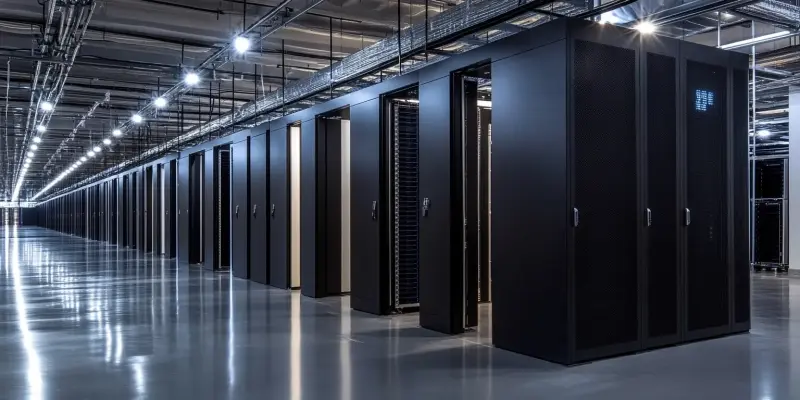
As data generation and cloud computing surge globally, the demand for data centers is experiencing unprecedented growth, necessitating a corresponding expansion of their capabilities. This surge can be attributed to the multitude of digital transformation initiatives undertaken by various industries, which now heavily rely on robust data processing and storage facilities. Amid this growth, artificial intelligence (AI) has emerged as a significant game-changer by enhancing the efficiency and capabilities of data centers in numerous ways.
AI-driven data management solutions have revolutionized how data centers operate, handling massive volumes of information with greater precision and speed than traditional methods. By automating repetitive tasks, AI reduces human error and streamlines workflows, allowing data centers to manage increasing data loads more effectively. Additionally, AI’s ability to analyze patterns and predict potential issues before they escalate provides a proactive approach to problem-solving, significantly improving operational uptime.
Energy optimization is another area where AI is making a profound impact. Data centers are known to consume substantial amounts of power, often resulting in high operational costs and environmental concerns. AI algorithms can dynamically adjust cooling systems and optimize energy usage by analyzing real-time data, leading to more sustainable operations. This not only reduces costs but also aligns with global efforts toward green technology and carbon footprint reduction initiatives.
Predictive maintenance, powered by AI, is reshaping maintenance practices within data centers. Traditional maintenance schedules are often based on fixed intervals, which may not always account for actual equipment conditions. AI-driven predictive maintenance analyzes data from sensors embedded in equipment to forecast potential failures, enabling timely interventions and minimizing downtime. Consequently, this approach ensures higher reliability and longevity of critical infrastructure.
Even as data centers without AI integration continue their steady growth to meet the ever-increasing need for storage and processing space, AI-enhanced facilities offer clear advantages in terms of efficiency and sustainability. The rapid expansion of data centers underscores the critical importance of incorporating cutting-edge AI technologies to stay ahead in an increasingly data-dependent world. Looking forward, further advancements in AI are anticipated to drive even greater efficiencies, ensuring data centers remain integral to the digital age.