

The subtle hum of intelligent devices now orchestrates the background symphony of modern life, quietly managing schedules, optimizing environments, and anticipating needs with an efficiency that has become almost invisible. This pervasive integration of artificial intelligence into everyday objects marks a silent but profound revolution, shifting the very definition of technology from a set of tools we command to a network of partners we consult. The once-distinct line between the user and the device has blurred, creating a new reality where technology is not just something people use but an active participant in how they live, work, and connect. Understanding this shift is no longer a matter of technological curiosity; it is essential for navigating the contemporary world.
Beyond the Button: How Many of Your Gadgets Are Already Thinking for You?
A surprising number of devices in the average household or personal workspace already operate with a degree of artificial intelligence. This intelligence often works subtly, making its presence known not through overt commands but through improved performance and convenience. For example, earbuds that automatically adjust noise cancellation based on the surrounding environment use AI to analyze ambient soundscapes in real-time. Similarly, the fitness tracker on a person’s wrist does more than count steps; it leverages machine learning to interpret sleep patterns, identify stress levels, and offer personalized health insights that go far beyond simple data collection.
This silent infusion of AI extends to core communication and productivity tools. A smartphone that predicts the next word in a text message, organizes photos by recognizing faces and locations, and filters spam with uncanny accuracy is performing complex AI-driven tasks continuously. Even home entertainment has been transformed, with streaming services employing sophisticated algorithms to recommend content tailored to individual viewing habits, creating a personalized media experience. The reality is that most people interact with dozens of AI systems before their day has even truly begun, highlighting how deeply this technology is already embedded in the fabric of daily routines.
From Passive Tools to Proactive Partners: The New Definition of “Smart”
The term “smart” has evolved significantly. In the past, a smart device was one that could connect to the internet or follow a pre-programmed set of instructions. Today, a truly smart gadget is defined by its ability to learn, adapt, and act proactively. This fundamental distinction is powered by machine learning, predictive analytics, and natural language processing, which allow devices to move beyond their factory settings and develop a nuanced understanding of their user and environment. They are no longer passive recipients of commands but active partners in achieving goals.
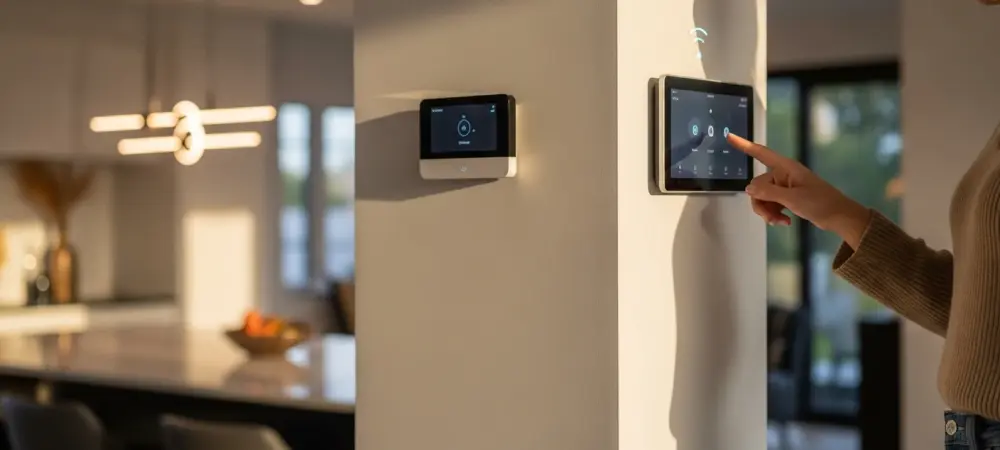
This transition from passive to proactive is most evident in the smart home. An intelligent thermostat, for instance, does not just adhere to a fixed schedule; it learns the rhythms of a household, noting when people are typically home or away and adjusting the temperature to optimize both comfort and energy efficiency without any manual input. Advanced home security systems demonstrate similar proactivity, using AI to differentiate between a pet, a delivery person, and an intruder, thereby reducing false alarms and providing more meaningful security alerts. These devices anticipate needs and solve problems in the background, freeing up the user’s cognitive load to focus on more important matters.
The AI Integration Reshaping Core Areas of Modern Existence
The transformative impact of AI gadgets is not confined to a single domain but extends across multiple critical areas of life, reshaping fundamental activities from household management to personal education. In the home, AI is the engine driving a new era of convenience and sustainability. Intelligent appliances can suggest recipes based on the contents of a smart refrigerator, while robotic vacuums map and learn the layout of a home for more efficient cleaning. These interconnected systems work together to create a responsive living environment that adapts to its inhabitants’ needs.
In the realm of education, AI is fostering a more personalized and effective learning experience. AI-powered gadgets for students, such as smart pens that digitize handwritten notes and tablets that generate adaptive study plans, are becoming indispensable tools. These devices cater to individual learning paces and styles, helping students organize their work, prepare for exams, and grasp complex subjects more efficiently. This marks a significant shift, turning technology from a potential distraction into a powerful ally in academic and professional development. Furthermore, the global accessibility of AI is expanding, with advancements in multilingual models making these tools available to diverse populations worldwide, as seen with the growing market for devices supporting languages like Arabic.
The Next Wave: Market Trends and the Future Trajectory of AI Gadgets
As AI technology matures, the market is shifting its focus from foundational automation to sophisticated, human-centric design. The leading edge of innovation is now centered on creating devices that are more context-aware, energy-efficient, and deeply personalized. The trend is moving toward ambient computing, where technology seamlessly integrates into the background, providing assistance without requiring constant interaction. This is enabled by more powerful onboard processors that allow for offline AI processing, which enhances both speed and user privacy by keeping data on the device itself.
Several key trends are defining this next phase. Hyper-personalization is paramount, with devices aiming to deliver experiences tailored specifically to an individual’s unique behaviors and preferences. Sustainability has also become a critical consideration, driving demand for gadgets with longer battery life and eco-friendly designs. Alongside these advancements, there is a growing and crucial emphasis on ethical AI and robust data privacy. Consumers and regulators alike are demanding greater transparency and control over how personal data is used, pushing manufacturers to build trust through responsible innovation.
A Consumer’s Guide: How to Intelligently Invest in Intelligent Technology
Navigating the crowded market of AI gadgets requires a discerning and informed approach. With countless products promising revolutionary features, the challenge for consumers is to separate genuine innovation from marketing hype. The first step in making an intelligent investment is to clearly define the problem one hopes to solve or the aspect of life one aims to improve. A gadget, no matter how advanced, is only valuable if it serves a practical purpose, whether that is saving time, improving health, or enhancing security.
Prospective buyers should prioritize research, focusing on independent reviews, long-term user feedback, and the manufacturer’s track record for providing consistent software updates and customer support. Compatibility is another crucial factor; an effective AI gadget should integrate smoothly with a user’s existing ecosystem of devices and platforms. As online buying becomes the standard, leveraging curated tech discovery platforms can help consumers cut through the noise and identify products that offer a meaningful return on investment. Choosing wisely ensures that these powerful tools become lasting, helpful additions to one’s life rather than quickly forgotten novelties.
The journey of AI from a theoretical concept to an everyday utility was not one of sudden disruption but of gradual and steady integration. Devices once celebrated for their novelty became woven into the normal patterns of life, their intelligence so seamlessly embedded that it often went unnoticed. This quiet assimilation marked the true success of the technology: it had stopped being a spectacle and had become a fundamental, indispensable part of the human experience. The conversation shifted from what these gadgets could do to how they had reshaped what it meant to live an efficient, connected, and informed life.