

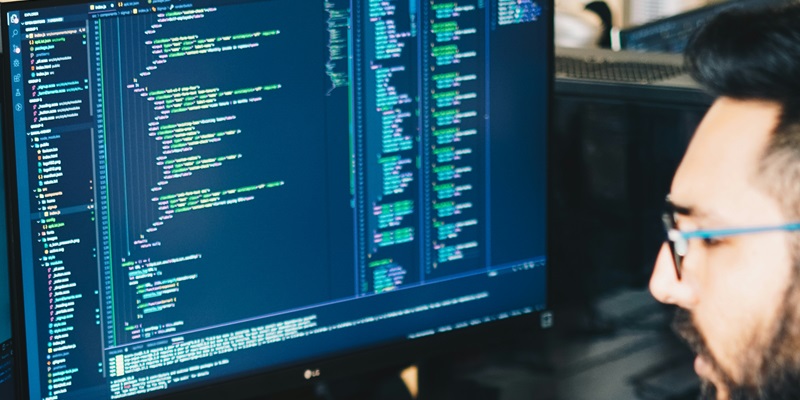
AI is significantly transforming the DevOps landscape by enhancing automation and streamlining software development stages. This digital shift introduces pioneering AI applications that advance automation, refine predictive capabilities, and offer seamless integration in the software engineering ecosystem.
While embracing AI in DevOps, engineers and IT professionals face the concurrent task of maintaining rigorous security measures amid the demand for rapid deployment. The integration of AI into DevOps is crafting a more sophisticated workflow, enabling faster delivery without compromising code quality.
As organizations harness these AI-driven innovations, teams must be adept at navigating the complexities introduced by this new technological symbiosis. The emergence of AI in DevOps promises vast improvements but also requires a careful balance between pace and protection in software development.
Integrating AI into DevOps Workflows
The integration of AI into DevOps has unfolded a tapestry of possibilities for automating software development. Through AI, manual and time-consuming tasks like code reviews are being transformed into automated checks that accurately scrutinize code for errors and compliance issues. This transition not only saves time but also ensures consistency and quality, pivotal in the fast-paced tech industry. Deployment cycles are shortened as AI swiftly identifies and addresses issues within CI/CD pipelines, bolstering development efficiency.
Moreover, AI extends its capabilities to predict potential roadblocks, enabling teams to proactively address problems before they impact productivity. Predictive analytics in DevOps is becoming a game-changer, allowing developers to anticipate challenges and streamline their response strategies. This proactive approach reduces downtime and keeps the development engine running smoothly, meeting ever-demanding market needs and schedules.
Navigating Challenges and Skill Gaps
Despite the allure of AI-driven efficiencies, challenges loom, particularly in data privacy and security. With cloud SaaS AI services gaining traction, organizations must enforce rigorous data policies and comply with standards such as SOC 2 to preserve data integrity and confidentiality. Achieving this balance of innovation and security underscores the complexity of integrating AI within software development processes.
The advent of Large Language Models (LLMs) brings another layer of complexity, emphasizing a clear skill gap in the industry. Engineers must now become fluent in the nuances of AI, from iterative learning techniques to precise prompt engineering, to fully harness the potential of these tools. The journey to AI mastery is not without its trials; AI model inconsistencies can lead to errors that are unacceptable in high-stakes development projects. Continuous professional development is not just an option; it’s a necessity for those looking to lead in the AI-accelerated DevOps arena.
AI’s Role in Secure Coding Practices
AI’s impact on software engineering stretches to the very core of secure coding practices. By integrating AI, the standards for writing secure code are heightened, offering stronger defenses against vulnerabilities. Nonetheless, leveraging AI must not contravene the sacrosanct boundaries of security and intellectual property. Adhering to practices that restrict the generation of excessive code and enforcing zero data retention policies are critical steps to mitigate risks associated with SaaS-based AI.
Security, however, cannot play second fiddle to innovation. As AI propels software development to new velocities, security must remain a bulwark against the ever-present threat of cyber infringement. AI tools are indispensable allies in this fight, offering continuous security monitoring and automated compliance checks. These AI measures must be partnered with ongoing developer education and rigorous security assessments to uphold the sanctity of secure coding.
Preserving Security in the Race for Speed
In the AI-augmented realm of software development, the pace can be breathtaking. But even as the speed of development escalates, security can ill-afford to lag. Organizations find themselves at a crossroads: maintain velocity or safeguard what’s been built. The key is to institute a consistent cadence of security checks and balances, ensuring they are not fleeting tasks but are embedded into the fabric of the development lifecycle.
Developers, at the coalface of this revolution, must be equipped with knowledge and tools to write secure code in an AI-dominated landscape. Educational initiatives need to pivot to include secure coding in the age of AI, and security assessments should evolve to become as regular as code commits. Only then can the true potential of AI in DevOps be realized, where speed does not eclipse security but instead moves in harmony, leading software development towards a future that is as safe as it is swift.