

The long-held dream of building an affordable, high-performance personal computer is colliding with a harsh new economic reality. A severe and sustained memory shortage, directly fueled by the voracious appetite of the artificial intelligence industry, has sent shockwaves through the consumer hardware market. This is not a temporary fluctuation but a deep-rooted supply chain disruption creating a cascade of price hikes for the essential components that power modern digital life. This market analysis explores the foundational causes of this crisis, details its tangible impact on specific hardware categories, and provides insights into the strategic shifts now facing consumers. The core takeaway is unambiguous: the AI boom has fundamentally reshaped the hardware landscape, and its costs are being passed directly to the end-user.
The New Normal: Why Your Next PC Upgrade Will Cost Significantly More
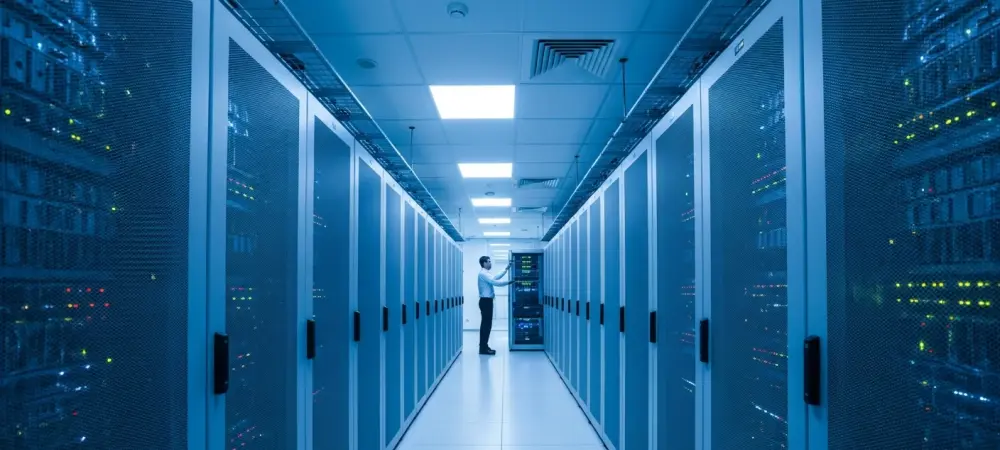
To understand today’s inflated prices, it is crucial to recognize the convergence of unprecedented demand and severely strained supply. While the memory market has historically been cyclical, the current situation is fundamentally different. The primary driver is the explosive expansion of AI data centers, which require immense quantities of high-performance DRAM and NAND flash memory to train and operate complex computational models. This has compelled major manufacturers to pivot production priorities away from consumer-grade products to serve the more lucrative enterprise AI sector. Compounded by persistent global supply chain vulnerabilities, this seismic shift has created a perfect storm where consumer demand must compete with the insatiable needs of the technology industry, leading directly to the shortages and price spikes observed today.
The Ripple Effect: How AI’s Thirst for Data Inflates Component Costs
The SSD Squeeze: From Affordable Upgrades to Premium Investments
Nowhere has the impact of the memory crunch been more apparent than in the solid-state drive market. Once considered a standard and cost-effective upgrade, high-capacity M.2 NVMe SSDs have seen their prices surge to astonishing levels. For instance, a 2TB Western Digital drive that retailed for approximately $230 is now commanding a price of $370—a staggering 60% increase. The situation is even more dire for other popular models; a 2TB Samsung 990 Evo Plus, priced at a reasonable $170 just a month prior, has skyrocketed to an eye-watering $440. This dramatic inflation is a direct consequence of the NAND flash shortage, transforming what was once a simple performance boost into a significant financial hurdle for PC builders.
Collateral Damage in the GPU Aisle: More Than Just a Chip Shortage
The memory shortage has inevitably spilled over into the graphics card market, another component-heavy segment. Modern GPUs rely on high-speed GDDR memory, a specialized form of DRAM, to handle complex textures and graphical data. As memory manufacturers allocate more resources toward AI-focused products, the supply of VRAM for consumer GPUs tightens, driving up production costs. This is reflected in current retail pricing, where substantial markups have become the norm. The RTX 5070 Ti, which carries a manufacturer’s suggested retail price (MSRP) of $749, is frequently selling for around $1,100, a markup of nearly 50%. Similarly, AMD’s mid-range offerings are not immune, with the Radeon RX 9070 XT now priced closer to $750, well above its official $599 launch price.
Beyond Flash: The Unexpected Price Hike in Traditional Hard Drives
Perhaps most surprisingly, the price inflation has extended to traditional hard disk drives (HDDs), a technology seemingly insulated from the DRAM and NAND crunch. This trend underscores the systemic nature of the supply chain strain. A 6TB WD Red NAS drive, a popular choice for bulk storage, has seen its price double from $80 to $160 over the past year. Other high-capacity models, like Seagate’s IronWolf series, have also experienced increases of 10% or more. While HDDs do not use flash memory, market-wide instability, coupled with increased demand for mass storage in data centers and as a fallback for expensive SSDs, has created upward price pressure even on legacy technologies.
Looking Ahead: Navigating the Volatile Market
This period of scarcity and high prices is not a short-term anomaly but a sustained market trend. This long-term outlook suggests a fundamental shift where consumer hardware availability and pricing will remain secondary to the demands of the enterprise AI sector. In the coming years, manufacturers are expected to continue prioritizing high-margin AI contracts, potentially leading to slower innovation and fewer options in the consumer space. While new fabrication plants are under construction, their operational impact will not provide immediate relief. For consumers, this signals an end to the era of predictable hardware pricing and abundant stock for the foreseeable future.
Strategic Responses for the Savvy Consumer
Given the market’s clear trajectory, consumers and PC builders must adapt their purchasing strategies. The most significant takeaway is that waiting for prices to drop may be a futile exercise for the next couple of years. Instead, prospective buyers should budget for a new, higher baseline cost for essential components like SSDs and GPUs. Actionable strategies include prioritizing needs over wants, potentially opting for lower-capacity drives or mid-range graphics cards to stay within budget. Carefully monitoring sales events may yield occasional discounts, but the overarching trend will remain upward. For those planning new builds, securing components incrementally when a reasonable price appears may be a more viable approach than waiting to buy everything at once.
The Enduring Impact of AI on the Global Hardware Supply Chain
The recent hardware price surge revealed more than just a market fluctuation; it was a clear indicator of AI’s profound and lasting impact on the global technology supply chain. The insatiable demand from data centers fundamentally reordered manufacturing priorities, creating a new competitive landscape where consumers and corporations vied for the same limited resources. This trend highlighted the dawn of an era where cutting-edge technology development is overwhelmingly dictated by the needs of artificial intelligence. In the long term, this dynamic shaped hardware availability, innovation, and affordability, which forced the consumer market to adapt to a world built for machines first.