

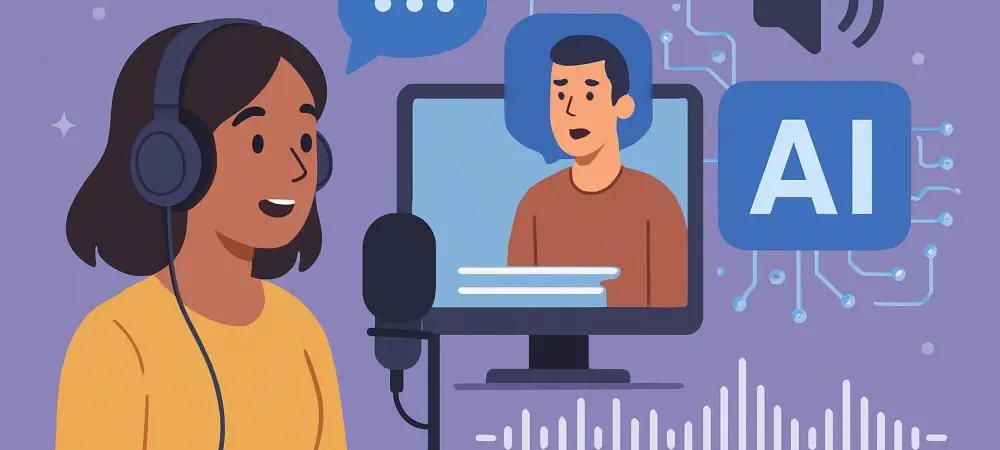
Imagine a world where a critically acclaimed foreign film reaches American audiences with the same emotional depth and authenticity as its original version, without the barrier of subtitles. This is no longer a distant dream but a reality shaped by groundbreaking advancements in AI-driven dubbing technology. The partnership between Israel-based Deepdub and New York’s Verbit stands at the forefront of this revolution, transforming how media content is localized for diverse global audiences. This review delves into the intricacies of their collaborative solution, exploring its standout features, real-world impact, and potential to redefine accessibility in the entertainment industry.
Understanding the Core of AI Dubbing Innovation
At the heart of this technological leap is the seamless integration of AI tools designed to tackle the inefficiencies of traditional dubbing. Deepdub and Verbit have combined their expertise to create a platform that automates and enhances the localization process for movies, TV shows, and other media. Their solution addresses critical pain points, such as the labor-intensive nature of manual voiceovers and the challenge of preserving emotional resonance across languages, by leveraging cutting-edge algorithms and deep learning models.
This technology represents a significant shift in the media landscape, where speed and quality are paramount for reaching international markets. By automating voice replication and streamlining workflows, the collaboration enables content creators to deliver multilingual versions of their work with unprecedented efficiency. The result is a tool that not only saves time but also ensures that the essence of a performance remains intact, regardless of linguistic boundaries.
Moreover, the relevance of this innovation extends beyond individual projects to the broader goal of global content distribution. As streaming platforms and studios compete to capture diverse viewership, the ability to quickly adapt content for different regions becomes a strategic advantage. This AI-driven approach positions itself as a cornerstone for achieving that scalability, promising a future where language is no longer a barrier to storytelling.
Key Features of the Deepdub-Verbit Collaboration
Emotive Text-to-Speech (eTTS) Excellence
One of the standout components of this partnership is Deepdub’s proprietary Emotive Text-to-Speech (eTTS) technology. This system employs advanced AI to mimic the subtle nuances of an actor’s voice, capturing elements like pitch, tone, and sentiment with remarkable accuracy. Unlike traditional text-to-speech tools, eTTS focuses on emotional fidelity, ensuring that dubbed performances retain the depth and authenticity of the original.
This capability is crucial for maintaining audience engagement, as emotional connection often determines the success of a film or series. By replicating these intricate vocal characteristics, the technology bridges the gap between cultures, allowing viewers to experience a story as if it were performed in their native tongue. Such precision sets a new standard for dubbing quality in the industry.
Seamless Captivate Captioning Integration
Verbit’s contribution through its Captivate captioning solution adds another layer of efficiency to the dubbing process. This tool facilitates a smooth transition from text-based captions to fully dubbed audio, creating a cohesive workflow for media companies. Its cloud-native deployment and API scalability further enhance accessibility, enabling seamless integration into existing production pipelines. The significance of this integration lies in its ability to unify accessibility and localization efforts. Media creators can now manage captioning and dubbing within a single platform, reducing operational complexity and accelerating delivery timelines. This streamlined approach is particularly beneficial for large-scale projects where time-to-market is a critical factor.
Voice Customization and Automation Advancements
Beyond core functionalities, the Deepdub-Verbit solution offers robust voice customization features, including accent control and fine-tuned emotional expression. With access to thousands of licensed, broadcast-ready voices, the platform can replicate an actor’s unique vocal signature without the need for additional casting. This automation drastically cuts costs and shortens production schedules.
Additionally, the technology supports intricate adjustments to match specific cultural or regional preferences, ensuring that dubbed content feels natural to target audiences. By eliminating many manual steps, it empowers smaller studios and independent creators to compete on a global stage, democratizing access to high-quality localization tools.
Performance and Industry Trends
The performance of this AI-driven dubbing solution is evident in its ability to transform traditionally slow localization processes into rapid, scalable operations. Current trends in the media industry highlight a growing reliance on AI to dismantle barriers to content distribution, particularly as demand for multilingual content surges on streaming platforms. This technology aligns perfectly with the need for faster turnaround times without compromising on quality.
Another notable trend is the convergence of accessibility features like captioning with dubbing capabilities. This merger creates a holistic approach to content adaptation, allowing creators to address multiple audience needs simultaneously. The efficiency gains from such integration are substantial, enabling companies to cater to diverse markets with minimal additional effort.
Industry sentiment also reflects optimism about AI’s potential to boost the appeal of foreign language content in subtitle-averse regions like the United States. By delivering dubbed versions that preserve emotional depth, this technology could shift viewer preferences, encouraging broader acceptance of international films and series. This cultural bridge is a key driver of its growing adoption across the sector.
Real-World Applications and Viewer Impact
In practical settings, the Deepdub-Verbit solution is already making waves by localizing a wide array of media content for global audiences. Major studios and streaming services utilize the technology to adapt popular titles, ensuring that language differences do not hinder viewership. The ability to produce high-quality dubbed versions quickly has opened new markets for these entities, amplifying their reach.
Smaller players in the industry also benefit significantly from this innovation. Independent filmmakers and niche content creators, often constrained by budget limitations, can now access affordable dubbing tools that rival professional standards. This democratization of technology fosters diversity in storytelling, as more voices from around the world gain the opportunity to be heard.
The impact on viewers is equally profound, as the technology enhances accessibility and engagement with international content. By delivering emotionally resonant dubbed performances, it allows audiences to connect with stories from different cultures in a meaningful way. This heightened connection not only enriches the viewing experience but also promotes a deeper appreciation for global narratives.
Challenges in Adoption and Refinement
Despite its impressive capabilities, the technology faces certain hurdles in achieving widespread adoption. Technical challenges, such as perfecting voice replication across a vast range of languages and dialects, remain an ongoing concern. Ensuring consistent quality in less commonly spoken languages requires continuous refinement of AI models, a process that demands significant resources.
Market and regulatory obstacles also pose potential roadblocks. Issues surrounding voice licensing and intellectual property rights must be navigated carefully to avoid legal complications. Additionally, cultural sensitivities in content adaptation necessitate careful handling to prevent misrepresentation or offense in localized versions.
Efforts to address these limitations are underway, with both companies investing in research to enhance their platform’s versatility. By prioritizing user feedback and technological advancements, they aim to overcome these barriers, paving the way for broader acceptance and integration within the media ecosystem over the coming years.
Final Thoughts and Future Directions
Looking back, the partnership between Deepdub and Verbit has proven to be a pivotal moment in the evolution of dubbing technology, delivering a solution that balances efficiency with emotional authenticity. Their collaborative efforts set a benchmark for quality and scalability, addressing many of the inefficiencies that plagued traditional localization methods.
Moving forward, stakeholders in the media industry should focus on exploring strategic integrations of this technology into existing workflows to maximize its benefits. Investing in training and support for content creators will further ease adoption, ensuring that even those with limited technical expertise can leverage these tools effectively.
Additionally, continued dialogue around ethical considerations, such as voice rights and cultural representation, will be essential to sustain trust and credibility. As advancements unfold, this AI-driven approach holds the promise of not only transforming content distribution but also fostering a more inclusive global entertainment landscape, where stories transcend linguistic and cultural divides.