

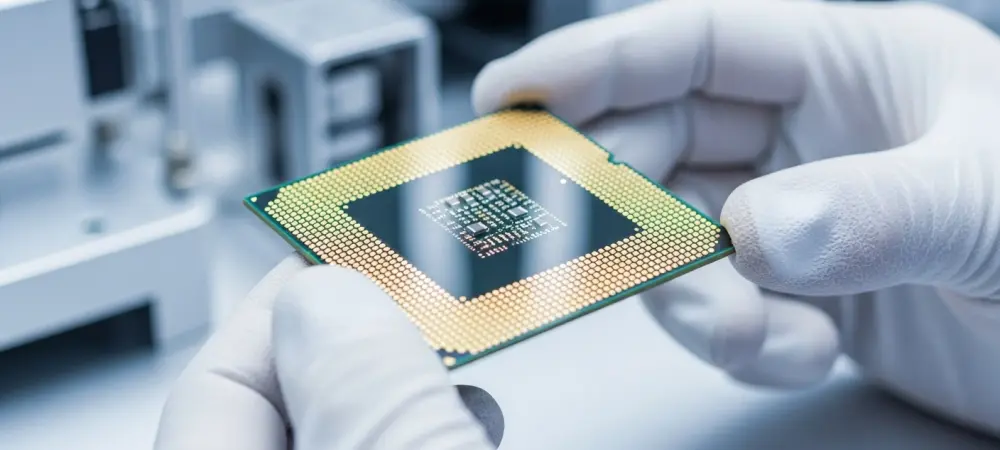
The insatiable appetite of artificial intelligence for computational power is now threatening to drive up the cost of the very digital foundations on which the modern economy is built. The AI revolution, while promising unprecedented innovation, has ignited a firestorm of demand for high-performance computing hardware. This surge is creating significant ripples in the server processor market, a critical sector long defined by intense competition and incremental progress. Recent industry analysis suggests that the core components powering the cloud may soon see significant price increases, a development that could reshape IT budgets and strategies across the globe.
The Server CPU Landscape a High Stakes Duel Between Giants
The server processor market has long been the domain of two titans: Intel and AMD. Their ongoing rivalry has fueled cycles of innovation, with each company vying for dominance in the world’s data centers. These CPUs are the unsung workhorses of the digital age, powering everything from enterprise applications and cloud storage to the vast computational farms required for training and deploying advanced AI models.
This competitive environment has pushed both companies toward next-generation architectures designed to deliver more cores, higher efficiency, and specialized instructions for AI workloads. As hyperscalers and enterprises look to build out their infrastructure, the performance of these new processors becomes a key differentiator, making the strategic decisions of these two chipmakers more consequential than ever before.
The Market in Motion Analyzing the AI Fueled Surge
The AI Gold Rush Hyperscalers Fuel Unprecedented Demand
The primary catalyst for the current market upheaval is the widespread “AI frenzy.” Large-scale data center operators, often called hyperscalers, are in the midst of a massive upgrade cycle, aggressively replacing older server platforms to keep pace with the computational demands of generative AI. This is not merely a routine refresh; it is a fundamental re-architecting of infrastructure to optimize for AI-centric tasks.
This replacement wave has created a voracious appetite for the latest generation of processors. New chips, such as AMD’s EPYC ‘Turin’ and Intel’s Xeon ‘Granite Rapids’, are central to these buildouts. Their advanced capabilities are essential for handling the complex parallel processing required by AI, making them the most sought-after components in the data center ecosystem.
Supply Squeeze and Surging Shipments What the Numbers Foretell
The sudden spike in demand is creating a significant supply crunch. Industry reports indicate that server CPU inventories at both major chipmakers are effectively depleted for the remainder of the year. This imbalance between overwhelming demand and finite supply is putting upward pressure on prices, with some market analysis pointing toward potential increases of as much as 15%.
Despite supply constraints, the market is poised for explosive growth. Projections forecast that server CPU shipments could expand by up to 25% this year alone. This highlights a dynamic where manufacturers are racing to ramp up production while simultaneously being in a strong position to command higher prices for their in-demand products.
Navigating the Surge Challenges of a Red Hot Market
This red-hot market presents a complex set of challenges. For manufacturers, the primary risk involves supply chain bottlenecks that could hinder their ability to meet the explosive demand from their largest customers. Any disruption in materials or manufacturing capacity could have significant ripple effects across the entire tech industry. Consequently, the rising cost of these critical components will likely be passed on, potentially leading to higher prices for cloud services and enterprise hardware.
For Intel, the situation offers a crucial opportunity. While the company has faced stiff competition in the dedicated AI accelerator space, the broad-based server upgrade cycle allows it to leverage its stronghold in the CPU market to bolster its data center division. However, both Intel and AMD must navigate their pricing strategies with care, balancing the opportunity for increased revenue against the risk of alienating the powerful hyperscale customers who are driving the current boom.
Geopolitics and Governance the Unseen Forces Shaping the Chip Market
Beyond simple supply and demand, a complex web of geopolitical factors is shaping the semiconductor landscape. International trade policies and targeted sanctions on chip technologies can disrupt established supply chains, creating uncertainty and volatility. As market dynamics shift and prices rise, the potential for antitrust scrutiny from regulatory bodies also increases, particularly in a market dominated by two key players.
Furthermore, evolving data sovereignty regulations are influencing where and how data centers are built. These rules often dictate that data must be stored and processed within a country’s borders, impacting hardware procurement decisions on a global scale. In response, many governments are increasing investments in domestic semiconductor manufacturing to reduce reliance on foreign suppliers and secure their own technological futures.
The Next Generation Innovation and Competition on the Horizon
The sustained high demand is acting as a powerful accelerant for research and development. Chipmakers are pouring resources into their product roadmaps to secure a competitive edge. AMD, for instance, is already planning the introduction of its next-generation 2nm EPYC ‘Venice’ processors, signaling its intent to maintain an aggressive pace of innovation.
This environment presents a significant opportunity for Intel to capitalize on the ongoing infrastructure buildout and strengthen its market position. The dynamic relationship between general-purpose CPUs and specialized AI accelerators also continues to evolve, with future server platforms likely featuring a tighter integration of both technologies to deliver optimal performance for a new generation of applications.
A New Pricing Paradigm Final Thoughts on an Industry Transformed
The AI boom is fundamentally reshaping the server CPU market, transforming its supply, demand, and pricing structures in ways that will be felt for years. This new reality creates what many see as a universally excellent revenue prospect for chipmakers, who are well-positioned to capitalize on the industry’s massive investment in AI infrastructure.
This period of rapid growth and change demands strategic foresight from all stakeholders. The long-term implications for the cost of cloud computing and digital services are significant, suggesting a new era where computational power comes at a premium. Navigating this landscape will require enterprises and service providers to plan for potential price volatility and make informed decisions about their long-term hardware and cloud strategies.