

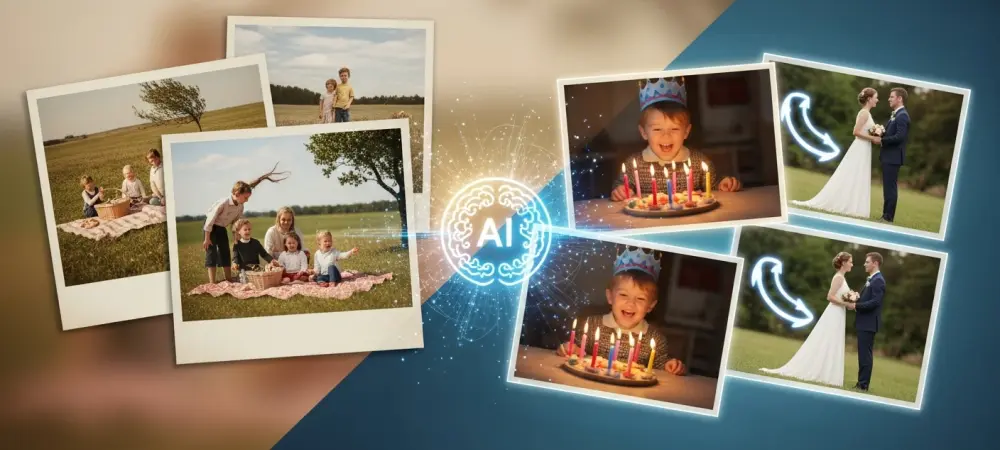
A quiet moment spent with a dusty photo album often leaves one with a profound sense of both connection and distance, a longing for just one more shared look with those captured in silent, unmoving portraits. This universal human desire to bridge the gap between memory and reality is now being met by a new wave of artificial intelligence. These accessible technologies are revolutionizing personal history by animating still photographs, turning static images of ancestors, lost loved ones, and cherished moments into dynamic, living memories that feel startlingly present. This is not the complex, time-consuming work of Hollywood animators but a democratized form of digital magic available to anyone with an internet connection.
Have You Ever Wished the Faces in Old Family Albums Could Offer One Last Glance
The emotional power of these animations lies in their ability to fulfill a deeply human wish. A simple, subtle animation—a gentle turn of the head, a slow blink, or a soft smile—can instantly transform a familiar face from a two-dimensional artifact into a presence that feels interactive and responsive. This perceived flicker of life bridges the temporal divide, creating a powerful emotional resonance that static images alone cannot achieve.
For many, this technology offers a new form of connection and even closure. Seeing a grandparent’s likeness, perhaps only known through faded black-and-white pictures, suddenly gaze back from the screen can be a profoundly moving experience. It recontextualizes the past, making history feel less like a collection of facts and dates and more like a continuum of living, breathing individuals who were once as real as ourselves.
Beyond the Static Frame Why We Crave a Deeper Connection to Our Past
The surge in AI photo animation coincides with a broader cultural movement: a digital renaissance of personal history. As interest in genealogy and family archives has grown, so has the demand for more engaging ways to preserve and share these discoveries. AI tools have emerged as the perfect companion to this trend, allowing users to enrich their historical findings and present them in a format that captivates modern audiences, particularly younger generations for whom digital media is a native language. A key driver of this phenomenon is the democratization of creativity. Historically, animating an image required specialized software and significant technical skill, placing it out of reach for the average person. Today, free and intuitive web-based platforms have eliminated these financial and technical barriers. This accessibility empowers individuals from all backgrounds to become visual storytellers, crafting compelling narratives from their own family histories without needing a budget or a design degree.
The Technology Breathing Life into Stillness
At its core, the animation process is a sophisticated application of artificial intelligence. The software intelligently scans a photograph to identify key facial landmarks like the eyes, nose, mouth, and overall head structure. It then uses a vast dataset of human movements to apply realistic and subtle animations. In contrast to traditional methods requiring manual keyframing and complex video editing, this AI-driven approach is remarkably efficient, producing results in minutes.
The viral appeal of these tools is rooted in this blend of accessibility and authenticity. Platforms that are free and require no installation or specialized knowledge attract a massive user base. However, their staying power comes from the quality of the animation. The best tools prioritize nuance, preserving the integrity of the original image by adding respectful, lifelike motion. This avoids the “uncanny valley” and ensures the result is a moving portrait, not an unsettling caricature.
The applications for this technology are impressively diverse. On a personal level, it is used to enhance family slideshows, create dynamic digital scrapbooks, and revitalize historical archives. In the world of digital storytelling, these animated images capture audience attention far more effectively than static pictures on social media and in educational resources. Furthermore, they serve a poignant purpose in memorials and online tributes, offering a powerful sense of presence and connection when remembering those who have passed.
From a Faded Photograph to a Felt Presence
The psychological impact of seeing a memory in motion is significant. Experts in media psychology note that subtle animation can trigger stronger emotional responses and a deeper sense of social connection to the person in the photograph. The movement, however slight, can make the brain perceive the subject as more present and relatable, intensifying the feelings of nostalgia and affection associated with the memory.
From a genealogist’s perspective, this technology is a powerful tool for bridging generational gaps. Ancestral photos can often make historical figures seem abstract and distant. Animating these portraits transforms them into relatable individuals, helping younger family members connect with their heritage on a more personal level. Suddenly, a great-great-grandmother is not just a name on a family tree but a person with a gentle smile and kind eyes.
A firsthand account from a family reunion illustrates this effect perfectly. One granddaughter used a photo animation tool to create a moving tribute to her late grandfather. When the clip was played, showing him offering a warm, familiar smile, the room fell silent. Relatives reported feeling an overwhelming sense of his presence, eliciting tears and shared stories that a static slideshow might not have inspired.
A Practical Guide to Creating Your Own Living Memories
To achieve the most compelling results, the process begins with choosing the ideal candidate for animation. Best practices suggest selecting clear, high-quality images where the subject is facing forward. Frontal portraits with balanced, even lighting allow the AI to map facial features more accurately, resulting in a more natural and convincing animation that honors the original subject.
The value of pre-animation touch-ups cannot be overstated, especially when working with older, degraded photographs. Using basic photo editing tools to perform minor digital repairs—such as fixing scratches, adjusting contrast, or applying color correction to faded images—can dramatically improve the final outcome. A cleaner source image provides a better canvas for the AI to work with, leading to a more polished and lifelike result. When selecting an animation style, the “less is more” philosophy often yields the most respectful and effective result. Opting for gentle, nuanced effects like a soft smile, a slow blink, or a slight head turn produces a more natural and dignified outcome than exaggerated movements. The goal is to evoke a memory and a sense of presence, not to create a spectacle that detracts from the authenticity of the moment. The introduction of AI-powered photo animation ultimately provided a novel and profoundly human way to interact with the past. It transformed the passive act of viewing old photographs into an active experience of connection, allowing millions to see their history with fresh eyes. This technological leap did more than just add motion to pixels; it deepened emotional bonds across generations and demonstrated that even the most static of memories could be imbued with new life, ensuring they remained vibrant and relevant in an increasingly digital world. The future of digital remembrance became one not just of preservation, but of presence.