

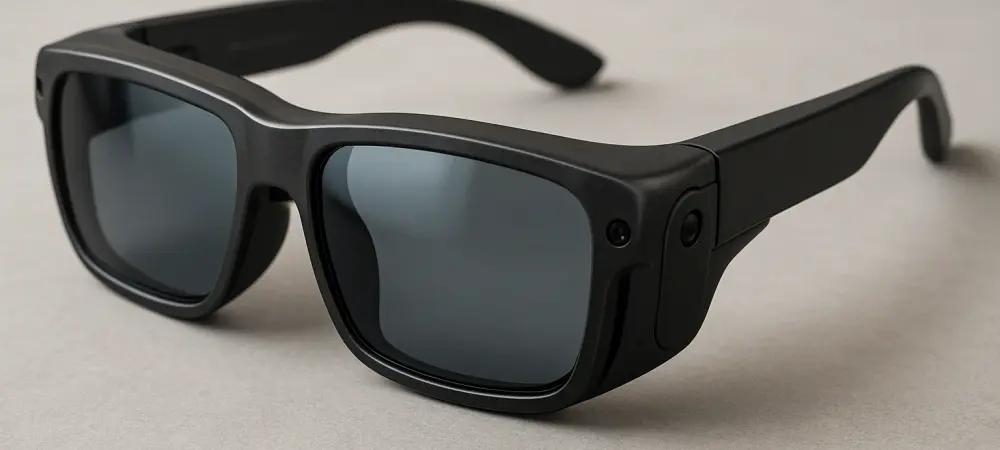
As technology races forward in 2025, a remarkable convergence of artificial intelligence (AI) and extended reality (XR) glasses is poised to redefine the digital landscape in ways previously unimaginable, marking a pivotal moment where innovations in AI-driven search capabilities and wearable XR devices are not just enhancing user experiences but fundamentally altering how society interacts with information and the world around it. From smart glasses that integrate seamlessly into daily routines to AI tools that reshape content discovery, the tech industry stands on the cusp of a transformative era. The implications are profound, impacting everything from personal convenience to the economic models that underpin digital ecosystems. While the promise of these advancements sparks excitement among consumers and tech giants alike, they also bring complex challenges that demand careful navigation. This exploration delves into the key trends and tensions driving this revolution, shedding light on what lies ahead for technology and its users.
Reshaping Digital Access with AI Innovations
The influence of AI on search technology is one of the most striking developments of 2025, with major players like Google rolling out tools such as AI Overviews and AI Mode to refine how users find and engage with information. These features are designed to provide more relevant and personalized results, aiming to keep users engaged longer on platforms. Google asserts that organic traffic remains stable despite these updates, suggesting a win for user experience. However, this narrative is met with stark opposition from publishers and digital content creators who report dramatic declines in traffic, with some major outlets experiencing drops of up to 40%. This discrepancy highlights a critical rift between technological progress and the realities faced by those who rely on search-driven visibility for their livelihoods, raising questions about the long-term viability of current digital strategies.
Beyond the immediate impact on traffic, AI’s role in search is stirring a broader debate about the sustainability of the web’s referral economy in 2025. Industry leaders, including prominent voices from tech infrastructure firms, caution that the shift toward AI-driven results could push content providers toward pay-for-access models to safeguard their revenue. Such a transition would fundamentally alter how information is shared and consumed online, potentially limiting access for some users while prioritizing monetized content. The tension between innovation and economic stability is palpable, as businesses grapple with adapting to these changes without alienating their audiences. As AI continues to evolve, striking a balance between enhancing search capabilities and preserving the open nature of the internet emerges as a pressing challenge for stakeholders across the digital spectrum.
XR Glasses Leading the Charge in Wearable Technology
In parallel to AI’s digital disruptions, XR technology is experiencing a significant shift, with smart glasses overtaking traditional virtual reality headsets as the preferred wearable device in 2025. Meta’s Ray-Ban smart glasses exemplify this trend, achieving remarkable sales growth this year while their Quest VR headsets face declining interest. This pivot reflects a growing consumer preference for lightweight, unobtrusive devices that integrate effortlessly into everyday life over bulky, immersive VR gear. The industry’s move toward what some experts term the “post-headset era” of spatial computing suggests a future where technology enhances reality without isolating users from their surroundings. This transformation is not just about hardware but about reimagining how digital and physical spaces interact.
The XR glasses market is also witnessing fierce competition in 2025, as major tech companies scramble to innovate and capture consumer interest. Collaborations like Samsung and Google’s Android XR headset, alongside Meta’s anticipated release of advanced display-enabled glasses, underscore the rapid pace of development in this space. Apple, too, is rumored to be refining its Vision Pro and exploring smaller, more accessible glasses to rival competitors. These devices prioritize critical features like extended battery life, enhanced wearability, and seamless AI integration, aiming to make XR technology a practical tool for daily use rather than a novelty. This surge of innovation signals a turning point, positioning XR glasses as a cornerstone of how people will engage with technology in the coming years, blending digital utility with real-world functionality.
Blending AI and XR for New Social and Creative Horizons
The intersection of AI and XR technologies is unlocking unprecedented opportunities in content creation and social interaction throughout 2025. Startups like Brilliant Labs are making waves with affordable smart glasses that feature AI-driven assistants, offering users real-time, context-aware support through compact, wearable designs. Simultaneously, platforms such as Character.ai are pioneering synthetic social feeds, enabling millions of users to participate in dynamic, AI-generated storytelling. This shift transforms the traditional passive consumption of content into an active, collaborative experience, redefining online communities. The fusion of AI’s processing power with XR’s immersive capabilities is creating a new frontier where digital engagement feels more personal and interactive than ever before.
Equally transformative is AI’s expanding role in the creative industries, where it is reshaping how art and media are produced and consumed in 2025. High-profile partnerships, such as IMAX collaborating with Runway to present AI-generated short films in theaters, showcase the technology’s potential to democratize filmmaking and storytelling. Despite facing criticism over environmental concerns and debates about artistic authenticity, these initiatives highlight AI’s ability to lower barriers for creators, allowing diverse voices to explore innovative expressions. As XR glasses enhance the delivery of such content with immersive viewing experiences, the combined impact of these technologies is forging novel pathways for human creativity. This synergy is not merely enhancing existing formats but inspiring entirely new ways to connect with and interpret the world through a digital lens.
Navigating the Future of Tech Transformation
Reflecting on the strides made in 2025, the integration of AI and XR glasses stands as a defining chapter in the tech industry’s evolution. The advancements in search capabilities through AI have sparked both innovation and contention, challenging the balance between user benefits and content creator sustainability. Meanwhile, the rise of XR glasses has shifted the paradigm of wearable tech, moving from niche virtual reality to mainstream, practical solutions that merge digital and physical realms. The creative and social applications of these technologies have opened doors to fresh forms of expression and interaction, even as ethical and environmental concerns linger. Looking ahead, the focus must shift to actionable strategies—forging equitable economic models for digital content, refining XR hardware for broader accessibility, and addressing the societal impacts of AI. These steps will be crucial to ensure that the promise of this technological wave translates into lasting, inclusive benefits for all.