

Dominic Jainy stands at the forefront of the digital health revolution, bringing a sophisticated understanding of how data-driven algorithms are fundamentally reshaping our relationship with human biology. As an IT professional specializing in artificial intelligence and machine learning, he offers a unique perspective on the rapid trajectory of Continuous Glucose Monitoring (CGM) systems. His work often explores the intersection of wearable tech and proactive healthcare, moving past simple data collection into the realm of intelligent, life-saving interventions. In this discussion, we explore the transition of these devices from reactive tools to proactive health companions, examining the convergence of miniaturized hardware, multi-marker sensing, and the socio-economic hurdles that remain in making these technologies globally accessible. The conversation covers the shift toward predictive analytics, the evolution of the “artificial pancreas,” and the broadening of metabolic monitoring for the general population.
How do you envision the integration of artificial intelligence transforming the current reactive nature of glucose monitoring into a truly predictive health tool?
The current generation of CGM devices is essentially a high-tech rearview mirror, notifying users only after their glucose levels have already begun to shift. By 2030, we expect a massive shift where AI becomes the central engine of the device, analyzing a complex web of variables including medication history, physical activity, and even stress levels. These algorithms will learn the unique physiological signature of the user, providing warnings about potential spikes or crashes long before they occur. Imagine the peace of mind a patient feels when a sensor doesn’t just buzz during a crisis, but instead offers a gentle recommendation three hours in advance based on their sleep patterns and diet. This proactive approach turns a burdensome daily task into a seamless, intelligent partnership between the human body and the machine.
With the development of closed-loop insulin pumps, how close are we to seeing a fully autonomous “artificial pancreas” that requires no manual input from the user?
We are rapidly approaching a milestone where the “artificial pancreas” functions with almost total independence from the patient’s active decision-making. Current hybrid systems are impressive, but they still demand that users manually log their meals or adjust delivery settings during unexpected physical exertion. The goal by the end of the decade is to perfect dual-hormone systems that administer both insulin and glucagon, allowing the body to stay in a perfect metabolic window without the constant fear of hypoglycemia. When these systems become fully automated, the sensory experience of managing diabetes will change from a series of constant, stressful calculations to a background process that just works. It is about removing the cognitive load from the individual, allowing them to live their lives without being tethered to the manual mechanics of their own survival.
Sensor technology is currently limited to short-term wear, but what major breakthroughs in hardware and non-invasive methods should we expect in the next few years?
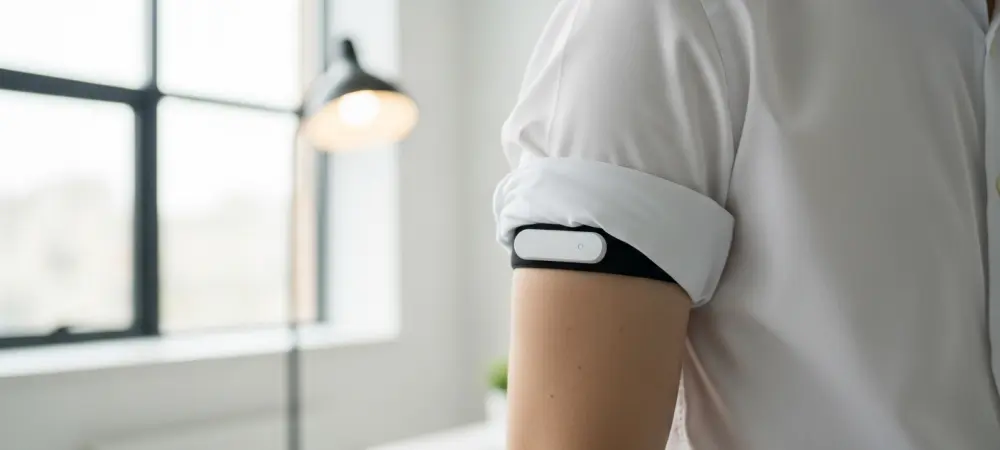
The hardware side of metabolic monitoring is undergoing a radical miniaturization that will make today’s sensors look like clunky relics. While most current models need to be replaced every 10 to 15 days, we are already seeing implantable versions that can last for several months, and the next step is to make these even less intrusive. The most exciting research is happening in the realm of non-invasive sensing, where scientists are looking for ways to pull glucose data from sweat, tears, and even saliva. There is a profound emotional weight to this development; for a child with Type 1 diabetes, the transition from constant skin-piercing needles to a painless tear-based or sweat-based sensor is life-changing. Even if these non-invasive methods are still works in progress, the push toward thinner, more comfortable, and longer-lasting sensors is an absolute priority for the industry.
Beyond simply tracking blood sugar, how will the next generation of wearables broaden our understanding of a user’s overall metabolic health?
We are moving away from the “glucose-only” silo and toward a comprehensive metabolic platform that measures a symphony of biomarkers simultaneously. Future devices won’t just stop at blood sugar; they will integrate sensors for ketones, lactate, hydration, inflammation, and cortisol. By combining this biochemical data with the physical metrics already captured by smartwatches—such as heart rate and sleep quality—clinicians will be able to build a three-dimensional map of a patient’s health. This holistic view allows us to see how a high-stress day at work, captured via cortisol and heart rate, directly impacts metabolic stability and inflammation levels. It’s no longer just about preventing a diabetic emergency; it’s about optimizing human performance and identifying chronic conditions years before they become symptomatic.
As CGMs gain popularity among athletes and prediabetics, how do you balance the potential benefits for the general public with the current lack of clinical evidence for healthy users?
It is fascinating to see how a tool born out of medical necessity is being adopted by world-class athletes to fine-tune their training and by prediabetics to identify which specific meals trigger their glucose spikes. This democratization of data helps people see the immediate impact of their lifestyle choices, providing a visceral connection between a sugary snack and its metabolic consequence. However, we must remain grounded in the fact that there isn’t yet sufficient evidence to suggest that a perfectly healthy person needs to monitor their glucose every minute of every day. While scientists are investigating how these systems can help with body weight control and early spotting of metabolic issues, we have to be careful not to create unnecessary anxiety in people who do not have a clinical need. The technology is a powerful educator, but its primary mission remains the management of serious metabolic diseases.
Despite these incredible technological leaps, what are the primary systemic barriers that could prevent this 2030 vision from reaching the people who need it most?
The most sophisticated AI in the world is useless if the person who needs it cannot afford the device or if their insurance refuses to cover the cost. We are currently facing a significant global challenge where high costs, data security concerns, and uneven healthcare access create a “digital divide” in diabetes care. For the 2030 vision to become a reality, we need more than just better sensors; we need regulatory approvals to keep pace with innovation and a commitment to making these tools affordable for everyone, not just those in wealthy nations. Furthermore, as these devices become more connected to phones and telehealth platforms, we must ensure that patient data is shielded from breaches. The road to 2030 is paved with technical brilliance, but the final destination depends on our ability to solve these very human problems of equity and security.
What is your forecast for the role of the CGM in the average person’s life by the end of the decade?
By 2030, I predict that the CGM will have shed its identity as a “medical device” for the sick and will instead be recognized as an essential, intelligent health companion for a much broader segment of the population. We will see a shift where these sensors are as common as the heart rate monitors on our wrists today, acting as an early-warning system that anticipates fluctuations before they manifest as illness. The technology will become invisible, integrated into the fabric of our daily routines through non-invasive sensors that communicate seamlessly with our digital ecosystems. Ultimately, we are moving toward a world of proactive, personalized medicine where data-driven insights empower individuals to master their own biology, potentially preventing the onset of chronic conditions for millions of people worldwide.