

The New Frontier of Digital Self-Reflection and Symbolic Insight
Modern digital ecosystems have transitioned from being simple productivity facilitators into sophisticated engines of personal meaning that synthesize data and ancient symbolism. By mid-2026, the digital landscape has undergone a profound transformation, moving beyond the era of simple data processing into the age of symbolic intelligence. While artificial intelligence once focused primarily on optimizing supply chains or refining financial forecasts, it has now entered the deeply personal realm of ancient wisdom. The convergence of AI and astrology represents a shift where algorithms are no longer just calculating numbers; they are interpreting the complex symbols that humans have used for millennia to understand their place in the universe.
This article explores how this intersection is creating a new framework for self-discovery, turning a static tradition into a dynamic, data-driven tool for modern life. The relevance of this movement lies in its ability to address the modern crisis of meaning by providing structured, archetypal narratives that resonate with the individual on a psychological level. By leveraging computational power, developers have managed to bridge the gap between empirical data and subjective experience, offering a roadmap for personal growth that feels both ancient and cutting-edge. As these tools become more prevalent, the standard for digital wellness is shifting toward a model that prioritizes internal awareness over external metrics.
From Ancient Charts to Algorithmic Interpretation
The journey toward symbolic intelligence is rooted in a fundamental shift in how people handle information and perceive the cosmos. For centuries, astrology was a manual practice, relying on fixed birth charts and standardized interpretations that often felt generalized or vague to the modern skeptic. However, the rise of machine learning has allowed for a transition from these static models to dynamic astrology, where celestial movements are cross-referenced with massive datasets in milliseconds. This evolution mirrors broader industry shifts where consumers demand radical personalization in every aspect of their digital lives. By applying pattern recognition to celestial movements, modern technology has moved astrology away from the fringes of fortune-telling and into the center of the wellness and self-optimization industry. Understanding this background is essential because it illustrates how AI is not replacing human intuition, but rather providing a more precise lens through which individuals can view their own behavioral patterns. This historical pivot has allowed a practice once dismissed as superstition to gain a new life as a sophisticated diagnostic tool, helping users identify recurring themes in their lives with unprecedented accuracy.
The Architecture of Personalized Meaning
The Rise of Dynamic Modeling and Algorithmic Precision
One of the most critical aspects of this convergence is the move from snapshot-based natal charts to evolving life models that reflect the fluid nature of human existence. Platforms like HintApp exemplify this shift by using AI to process complex planetary configurations in real-time, matching them against individual user profiles. Instead of a one-size-fits-all horoscope, these systems integrate user behavior and ongoing celestial shifts to provide insights that feel uniquely tailored to the moment. Industry data suggests that users are increasingly drawn to this level of detail, finding that algorithmic precision can identify specific dynamics with a level of nuance previously reserved for expensive professional consultations.
A Philosophical Shift: From Prediction to Self-Optimization
A significant trend within the AI-astrology space is the declining interest in deterministic fortune-telling in favor of introspective analysis. Modern users are utilizing these tools as frameworks for journaling, emotional tracking, and personality assessment rather than trying to guess future events. Rather than asking what will happen, they are asking how they can best react to the emotional climate indicated by their data. This shift highlights an opportunity for technology to serve as a bridge between clinical psychology and symbolic systems, encouraging a more proactive approach to mental health. By treating astrological data as a series of behavioral signals, AI-driven platforms offer a structured way for individuals to navigate their internal landscapes with agency.
The Intersection of Symbolic Systems and the Tech-Crypto Community
An unexpected complexity in this field is the high adoption rate among the technology and cryptocurrency sectors, which traditionally prize hard logic. These communities find common ground with astrology through a shared interest in alternative data models and non-traditional systems of identity that challenge centralized authority. In the emerging Web3 environment, astrology serves as a symbolic layer for decentralized identity, where an AI-generated natal profile can act as a digital fingerprint. Furthermore, just as traders use AI for market sentiment analysis, they are now applying similar logic to personal and relational sentiment. This intersection suggests that symbolic intelligence is becoming a universal language for those who value data-driven approaches to every facet of life.
The Future of Biometric Integration and Emotional Mentorship
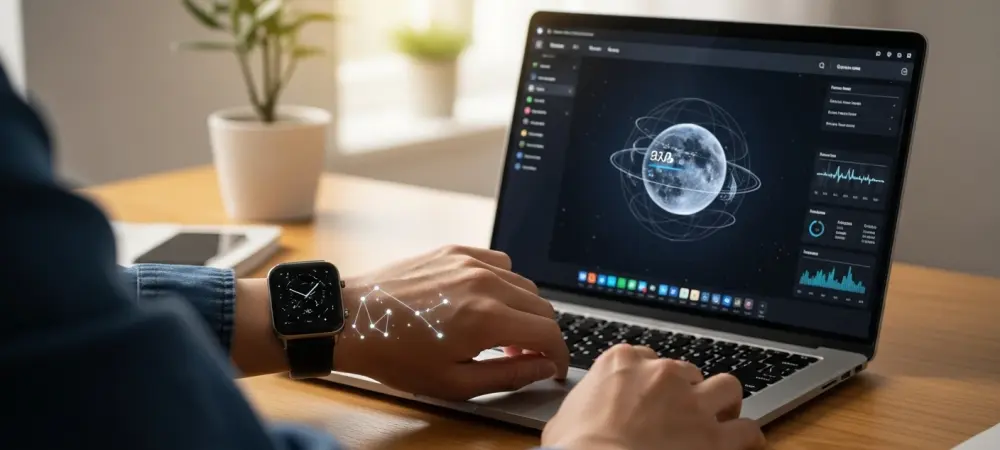
The future of symbolic intelligence is likely to be defined by the integration of physiological data and spiritual frameworks. A reality is approaching where wearable devices feed real-time biometric signals—such as heart rate variability or sleep patterns—into astrological AI models to detect shifts in mood or stress levels. This would create a wellness ecosystem capable of providing immediate emotional guidance based on both the user’s physical state and their symbolic chart. Such a holistic approach could revolutionize the health-tech market by adding a layer of qualitative meaning to the quantitative data already being tracked by millions of people daily.
Additionally, the rise of persistent AI companions that act as lifelong emotional mentors is expected, blending data science with clinical psychology and archetypal theory. These digital mentors will likely move beyond simple text interactions, utilizing voice and spatial computing to provide a more immersive experience. As regulatory frameworks catch up to these innovations, the focus will likely shift toward ensuring data privacy in what is becoming an incredibly intimate sector of the tech industry. The long-term trajectory points toward a world where technology does not just assist with tasks but acts as a guardian for the user’s overall psychological and emotional well-being.
Navigating the Era of AI-Driven Introspection
To make the most of these emerging tools, individuals and professionals should approach symbolic intelligence with a balance of curiosity and critical thinking. It is important to view AI-generated insights as a starting point for reflection rather than an absolute truth or a replacement for professional medical advice. For users, the best practice involves integrating these digital horoscopes into broader wellness routines, such as meditation, physical exercise, or professional coaching. For businesses in the wellness space, the primary recommendation is to focus on transparency, clearly communicating how data is used to generate insights to build trust in an increasingly skeptical market.
The most successful application of this technology occurs when it is treated as a self-optimization suite rather than a passive entertainment source. By engaging actively with the data, readers can use the power of algorithms to better understand their own habits, improve their interpersonal relationships, and foster a deeper sense of emotional connectivity. This proactive engagement transforms the AI from a mere calculator into a collaborative partner in the process of self-actualization. As the market matures, the differentiation between platforms will likely be defined by the quality of the psychological frameworks they employ and the ethical standards they uphold regarding user data.
Harmonizing Data and Symbolism for Long-Term Growth
The convergence of AI and astrology marked a significant milestone in the human relationship with technology, proving that even the most ancient concepts could be revitalized by modern code. By stripping away the rigid templates of the past and replacing them with adaptive, symbolic intelligence, developers turned an ancient art into a modern science of the self. This evolution addressed a fundamental human need: the search for meaning in a complex, digital age. As the boundaries between data, psychology, and symbolism blurred, these tools became essential for anyone looking to navigate the modern world with greater self-awareness. Ultimately, the fusion of the celestial and the computational reminded the world that the human experience remained at the center of the stars, even in a world governed by algorithms. This transition allowed for a more integrated approach to wellness that respected both the logic of the machine and the mystery of the human psyche.