

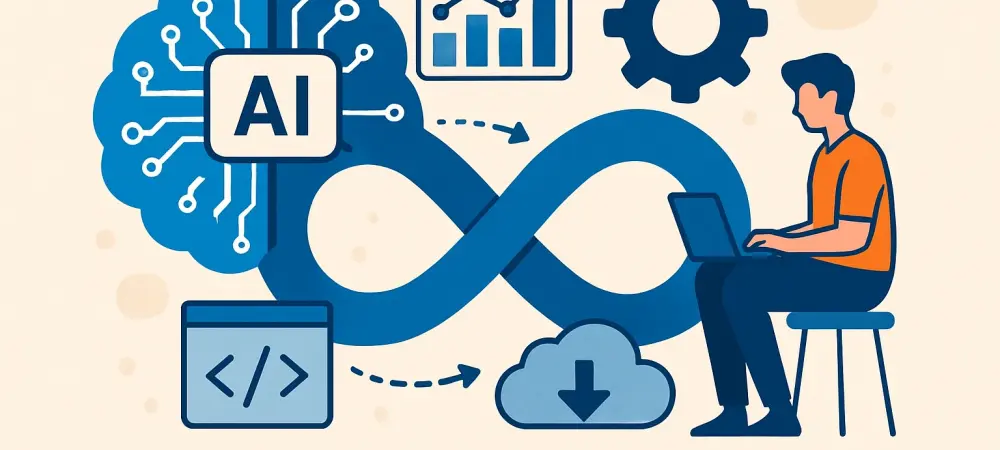
In today’s rapidly evolving tech landscape, cloud-based development environments have become the backbone of software innovation, offering scalability and accessibility. Companies striving to stay competitive find that integrating artificial intelligence (AI) agents plays a pivotal role in enhancing DevOps processes. With the advent of isolated workspaces introduced by Coder, AI agents are now capable of simplifying governance and task orchestration—a response to the ever-increasing demand for secure software supply chains and centralized application management.
Industry Overview
The shift into cloud-based development frameworks has seen significant growth, driven by the need for swift and secure application delivery in the digital age. AI agents are emerging as cornerstone elements, offering automation and efficiency. Key players, such as Coder, innovate through tools that cater to these needs, ensuring seamless project management capacities. These advancements not only address governance with minimal Terraform code but also position AI as a transformative agent within the industry.
Trends and Growth Opportunities
Driving Trends in DevOps and AI Integration
AI and DevOps integration have given rise to transformative trends, driven by the push for AI-led automation. Technologies like shared memory and Model Context Protocol servers stand at the forefront of these developments, offering improved collaboration mechanisms. In the face of growing market demands, opportunities in centralized management emerge, enhancing task tracking and operational insights.
Market Data and Future Projections
Current projections show an upward trajectory in AI integration within DevOps, fueled by companies increasing investments in AI technologies. A marked trend toward dependency on AI for code generation, review, and testing is evident, suggesting favorable forecasts for the industry’s future performance. Organizations look to leverage these enhancements while maintaining cost-effectiveness in resource allocation.
Challenges and Solutions
Despite these promising strides, integrating AI within DevOps isn’t without hurdles. Issues such as system complexity and resource management remain prevalent. Addressing these challenges necessitates a balance between technological advances and pragmatic resource allocation—crucial in mitigating cost overruns. Suggested strategies point to the refinement of current processes and regulatory adjustments as potential pathways for overcoming these obstacles.
Regulatory Landscape and Compliance
Navigating the regulatory environment is another critical area impacting the industry, with secure software supply chains being a particular focus. Organizations must comply with pivotal laws and standards that safeguard against vulnerabilities. The influence of these compliance measures significantly shapes how developers and companies approach cloud-based development, heralding a change in standard practice.
Future Directions
Looking forward, AI’s role in the development lifecycle expands, with AI agents poised to become more integral. Potential disruptors stem from rapid technological advances and evolving consumer preferences. Moreover, organizations will have to consider economic conditions to align innovation with market demand, paving a potential path of growth through AI-driven solutions.
Conclusion
The introduction of AI agents in DevOps platforms represents a significant evolution in how software is developed and managed. Over time, these enhancements have demonstrated how AI could facilitate a more efficient coding process while emphasizing cost management. Organizations recognized the need for oversight in AI tasks, balancing technology’s capabilities with quality assurance and economic feasibility. As the landscape continues to shift, innovation paves new ways forward, highlighting areas ripe for investment and future growth in AI-augmented DevOps solutions.