

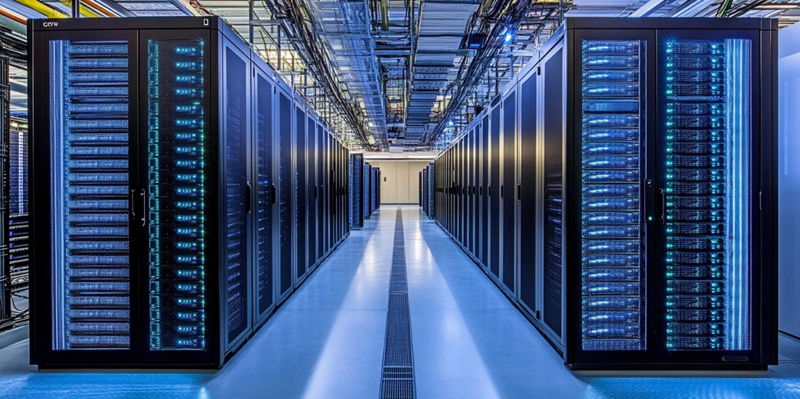
Africa50, a pan-African infrastructure investor and asset manager, has made a significant $15 million investment in Egypt’s Raya Data Centre (RDC), emphasizing its confidence in the country’s rapidly developing digital economy. The funding aims to bolster RDC’s existing operations and support the establishment of a new Tier III data center. This strategic move comes at a time when internet usage and the demand for digital services in Egypt are on an upward trajectory, positioning the country as a burgeoning digital hub in the region.
RDC, founded in 2012, has garnered a reputation for providing reliable colocation and cloud services to local and global enterprises alike. Currently, it operates two Tier III data centers in Cairo and is wholly owned by Raya Holding, an Egypt Exchange-listed conglomerate. With the infusion of new equity financing, RDC intends to expand its capacity sustainably, leveraging Africa50’s expertise and extensive networks across the continent. This partnership is expected to pave the way for RDC to cater to the growing digital infrastructure needs of the region, further strengthening its market position.
Strengthening Egypt’s Digital Economy
Egypt’s data center industry is on the brink of substantial growth, with RDC poised to play a central role in meeting the region’s escalating demand for digital services. Ahmed Khalil, CEO of RDC, expressed optimism about the market’s potential, projecting an impressive annual growth rate of 12.8% through 2030. By aligning its objectives with the government’s digitization initiatives and focusing on the SME and startup ecosystem, RDC is playing a pivotal part in the nation’s ongoing digital transformation. This approach not only supports economic development but also fosters innovation and entrepreneurship within the country.
In highlighting the significance of Africa50’s investment, Raza Hasnani, managing director and head of infrastructure investments at Africa50, noted that the move reinforces the growing portfolio of data centers they manage across Africa. The new and existing data centers are envisioned to address the burgeoning demand for digital infrastructure, thereby contributing to the region’s economic progress. Hasnani also commended Raya Holding’s proactive approach to renewable energy adoption, which is in alignment with Africa50’s commitment to sustainable and climate-resilient investments.
Strategic Positioning for Global Reach
Africa50, a pan-African infrastructure investor and asset manager, has committed a notable $15 million investment to Egypt’s Raya Data Centre (RDC), highlighting its belief in the country’s fast-growing digital economy. This funding is designed to enhance RDC’s current operations and aid in establishing a new Tier III data center. This strategic decision coincides with the rise in internet usage and demand for digital services in Egypt, positioning the nation as a key digital hub in the region.
Established in 2012, RDC has built a solid reputation for providing dependable colocation and cloud services to both local and global businesses. At present, it operates two Tier III data centers in Cairo and is fully owned by Raya Holding, a conglomerate listed on the Egypt Exchange. With this new equity funding, RDC plans to sustainably increase its capacity, taking advantage of Africa50’s expertise and broad networks across the continent. This collaboration is poised to enable RDC to meet the growing digital infrastructure demands of the region, further solidifying its market presence.