
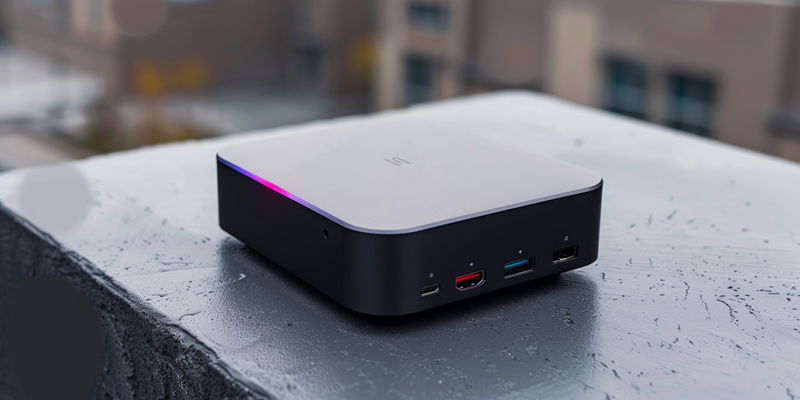
ACEMAGIC Unveils M2A Starship Mini PC with Sci-fi Design Flair

ACEMAGIC is breaking the mold in the mini-PC market with its latest creation, the M2A Starship Mini PC. This novel computer takes inspiration from sci-fi culture, specifically the iconic TIE fighter, integrating a blend of functionality and aesthetic appeal. With the full technical specifications yet to be released, what stands out already is its dual-winged design, which is more than just an eye-catcher. These “wings” serve as a housing for sophisticated cooling fans, ingeniously built to resemble thrusters from the world of science fiction. The inclusion of an onboard LED screen elevates the user experience, facilitating real-time monitoring of system metrics such as temperature, power consumption, and fan speed.

Advanced Cooling Technology

The M2A Starship’s design is not solely about its eye-catching appearance; it serves a pivotal role in the PC’s performance. The developers at ACEMAGIC have placed significant emphasis on the cooling capabilities of the machine. The dual-winged architecture doesn’t just pay homage to the spacecraft of cinema; it embodies a practical approach to dissipating heat. By integrating cooling fans within these wings, the computer maintains a stable temperature even when running demanding tasks. This focus on maintaining optimal temperatures promises an uninterrupted and efficient performance, crucial for both gamers and professionals alike.

Aesthetic Meets Enthusiast Culture

ACEMAGIC is revolutionizing the mini-PC niche with its new M2A Starship Mini PC, drawing heavily from the realm of sci-fi, much like the legendary TIE fighter. This computer seamlessly marries style with practicality. While complete specs are pending, the design is already causing a stir. Its distinguishing feature is the dual-winged structure, which cleverly integrates advanced cooling fans styled to mirror sci-fi thrusters. More than just visual charm, these wings markedly enhance the PC’s thermal management. Additionally, an integrated LED display provides a high-tech touch, offering instant access to crucial system statistics, including temperature, power usage, and fan speeds, directly enhancing the user’s interaction with the machine. This innovatively designed mini-PC promises to be both a visual delight and a high-performance computing solution.

Explore more

Hotels Must Rethink Recruitment to Attract Top Talent

With decades of experience guiding organizations through technological and cultural transformations, HRTech expert Ling-Yi Tsai has become a vital voice in the conversation around modern talent strategy. Specializing in the integration of analytics and technology across the entire employee lifecycle, she offers a sharp, data-driven perspective on why the hospitality industry’s traditional recruitment models are failing and what it takes

Trend Analysis: AI Disruption in Hiring

In a profound paradox of the modern era, the very artificial intelligence designed to connect and streamline our world is now systematically eroding the foundational trust of the hiring process. The advent of powerful generative AI has rendered traditional application materials, such as resumes and cover letters, into increasingly unreliable artifacts, compelling a fundamental and costly overhaul of recruitment methodologies.

Is AI Sparking a Hiring Race to the Bottom?

Submitting over 900 job applications only to face a wall of algorithmic silence has become an unsettlingly common narrative in the modern professional’s quest for employment. This staggering volume, once a sign of extreme dedication, now highlights a fundamental shift in the hiring landscape. The proliferation of Artificial Intelligence in recruitment, designed to streamline and simplify the process, has instead

Is Intel About to Reclaim the Laptop Crown?

A recently surfaced benchmark report has sent tremors through the tech industry, suggesting the long-established narrative of AMD’s mobile CPU dominance might be on the verge of a dramatic rewrite. For several product generations, the market has followed a predictable script: AMD’s Ryzen processors set the bar for performance and efficiency, while Intel worked diligently to close the gap. Now,

Trend Analysis: Hybrid Chiplet Processors

The long-reigning era of the monolithic chip, where a processor’s entire identity was etched into a single piece of silicon, is definitively drawing to a close, making way for a future built on modular, interconnected components. This fundamental shift toward hybrid chiplet technology represents more than just a new design philosophy; it is the industry’s strategic answer to the slowing