

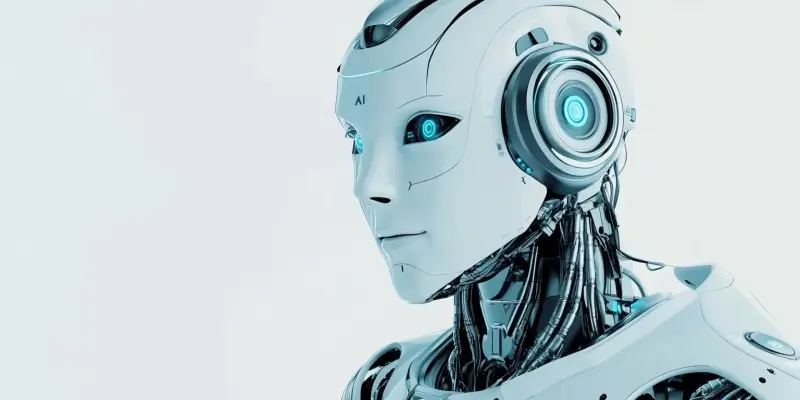
Imagine a future where robots not only perform repetitive tasks with precision but also possess the ability to understand spoken instructions and adapt to dynamic, fast-paced environments—this vision is becoming a reality thanks to ABB’s groundbreaking advancements in AI-driven robotics. With a legacy of over 50 years of expertise in robotics, ABB is on the cusp of ushering in a new era in industrial automation, driven by the transformative power of Generative AI.
The Evolution of Robotics
Enhanced Capabilities
In the ever-evolving field of robotics, ABB is at the forefront of integrating advanced AI technologies to enhance the capabilities of robotic systems. This includes imbuing robots with 3D AI vision, a feature that essentially provides them with ‘eyes’ to perceive and interact with their surroundings with heightened accuracy. The incorporation of advanced force-sensing allows robots to feel and manipulate objects with precision akin to human ‘hands’. Coupled with 3D mapping technology, these robots gain mobility and spatial awareness that enable them to navigate complex environments seamlessly.
Generative AI, the centerpiece of ABB’s innovation, is set to revolutionize the cognitive abilities of robots. With AI-enhanced ‘brains’, robots will be equipped with sophisticated problem-solving intelligence, allowing them to interpret and execute tasks based on spoken instructions without the need for prior programming. This leap in technology not only elevates the functionality of robots but also broadens their applicability across various industries, addressing the need for adaptable and intelligent automation solutions.
The Role of Generative AI
Generative AI technology represents a quantum leap in robotics, profoundly enhancing a robot’s ability to process information, learn from past experiences, and make autonomous decisions. This transformative technology equips robots with a level of problem-solving intelligence previously confined to the realm of science fiction. By understanding and responding to human language, robots can now perform complex tasks with minimal human intervention, thus bridging the gap between human-robot collaboration.
The implications of generative AI in robotics are vast and far-reaching. For instance, in the healthcare sector, robots with advanced AI capabilities can assist in surgeries, provide accurate diagnostics, and even offer personalized patient care. In logistics, these intelligent robots can optimize supply chain processes, ensuring timely delivery and efficient management of goods. ABB’s commitment to generative AI-driven robotics signifies not just an evolution in technology but a revolution that promises to redefine the landscape of automation, driving productivity and fostering innovation across various sectors.
Breaking Barriers to Automation
Accessibility and Versatility
ABB’s strides in generative AI-driven robotics also aim to address the accessibility of automation technology. Traditionally, the integration of robots into workflows has been hindered by high costs and complexity. However, ABB’s innovations seek to lower these barriers, making advanced robotic systems more attainable for businesses across diverse sectors, including logistics, construction, healthcare, and life sciences. By democratizing access to automation, ABB is empowering companies to enhance productivity, improve safety, and achieve greater operational efficiency.
The versatility of AI-enhanced robots ensures they can perform an array of tasks in various settings. From assembly lines to hospital wards, these robots are designed to seamlessly integrate into existing workflows, adapting to specific needs and requirements. This adaptability not only enhances the efficiency of operations but also opens new possibilities for automation in areas previously thought impractical. As a result, businesses can leverage the full potential of AI-driven robotics to drive innovation and stay competitive in an increasingly automated world.
Future Implications
Imagine a future where robots do not just handle repetitive tasks with pinpoint accuracy but also have the capability to comprehend spoken instructions and adapt to ever-changing, fast-moving environments. This forward-thinking vision is steadily becoming a reality, thanks to ABB’s pioneering innovations in AI-driven robotics. With over 50 years of experience at the forefront of robotics, ABB is poised to lead a new era in industrial automation. The driving force behind this transformation is the incredible power of Generative AI, which allows robots to learn, adapt, and even predict what needs to be done in real-time scenarios. Their advanced robots are set to revolutionize the industry by introducing unparalleled levels of efficiency and flexibility. ABB’s commitment to pushing the boundaries of robotics technology ensures that they remain leaders in the field. This next-generation automation promises to enhance productivity while reducing costs, positioning ABB as a key player in the technological revolution shaping our future.