

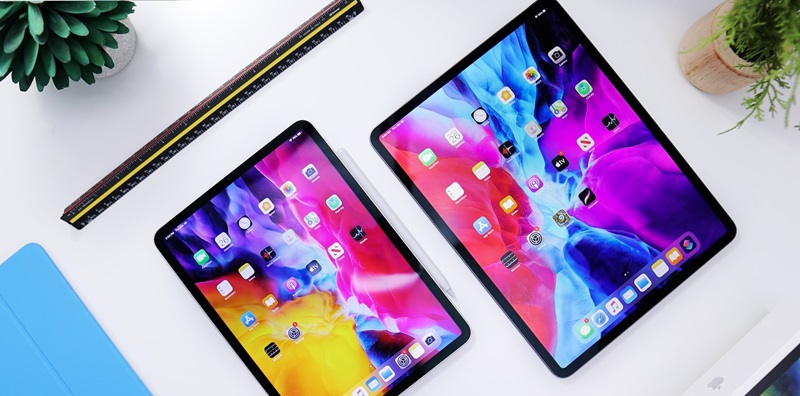
In today’s technology-driven world, choosing the right tablet can be quite overwhelming. With a myriad of options, technical specifications, and features available, it’s important to carefully consider your requirements to find the perfect tablet that suits your needs. This article aims to guide you through the decision-making process, offering valuable insights into various factors to consider before making a purchase.
Consider the Operating System
The operating system plays a crucial role in determining your tablet’s user experience. Whether it’s iOS, Android, or Windows, each operating system offers unique features, app compatibility, and interface design. Take the time to familiarize yourself with the different systems and choose one that aligns with your preferences and needs.
Determine Your Tablet Usage
Understanding your intended usage is essential in narrowing down your options. If you primarily need a tablet for reading, studying, or browsing social networks, investing in a high-priced model with advanced features may not be necessary. However, if you require a tablet for high-performance tasks such as graphic design, gaming, or video editing, it’s important to prioritize devices with powerful processors and ample RAM.
Evaluate Storage Space Requirement
Before selecting a tablet, assess whether you need the ability to expand its storage capacity. Some tablets offer the flexibility to insert additional memory cards, while others have fixed internal storage. Consider the amount of data you plan to store, such as documents, photos, and videos, and choose a tablet with adequate storage. Keep in mind that higher storage capacities generally come with a higher price tag, so only opt for what you truly need.
Analyze the Materials Used in Construction
Durability is a crucial factor in selecting a tablet. Carefully assess the materials used in the tablet’s construction to ensure that it can withstand regular use and potential accidents. High-quality materials like aluminum or reinforced plastic provide better protection against accidental drops and offer an overall premium feel to the tablet. Additionally, consider factors such as weight and ergonomics, as these can impact comfort during prolonged usage.
Consider Screen Size
The screen size of a tablet should be determined by the specific tasks you intend to perform. If you mainly use your tablet for reading eBooks or browsing the web, a smaller screen size of around 7 to 9 inches may be suitable for portability. However, if you plan to watch movies, edit photos, or work on complex tasks, a larger screen size of 10 to 12 inches may offer a better viewing and working experience.
Don’t overlook screen resolution
While considering screen size, it is equally important to pay attention to the screen resolution. Higher resolution displays provide crisper and more detailed visuals, particularly for activities like watching videos or playing games. Opt for a tablet with a resolution of at least 1920×1080 pixels (Full HD) for the best viewing experience.
Look for Tablets with Included Accessories
Tablets bundled with accessories can provide excellent value for your money. Consider models that come with features like a stylus pen, a keyboard attachment, or a protective case. While these accessories may come at an extra cost, they can significantly enhance your tablet experience and save you from buying them separately.
Seek Opinions from Other Users
Before finalizing your decision, always seek out feedback from other users who already own the tablet models you are considering. Online forums, review websites, and social media platforms are great sources of information where users share their experiences and provide valuable insights. This step can help you gain a better understanding of the pros and cons of each model, enabling you to make an informed purchase.
Choosing the right tablet involves careful consideration of various factors such as the operating system, intended usage, storage capacity, materials, screen size, and resolution. By analyzing these aspects and seeking insights from other users, you can confidently select a tablet that meets your requirements and enhances your digital experience. Remember, making an informed decision will ensure that you find the perfect tablet that aligns with your needs, preferences, and budget.