

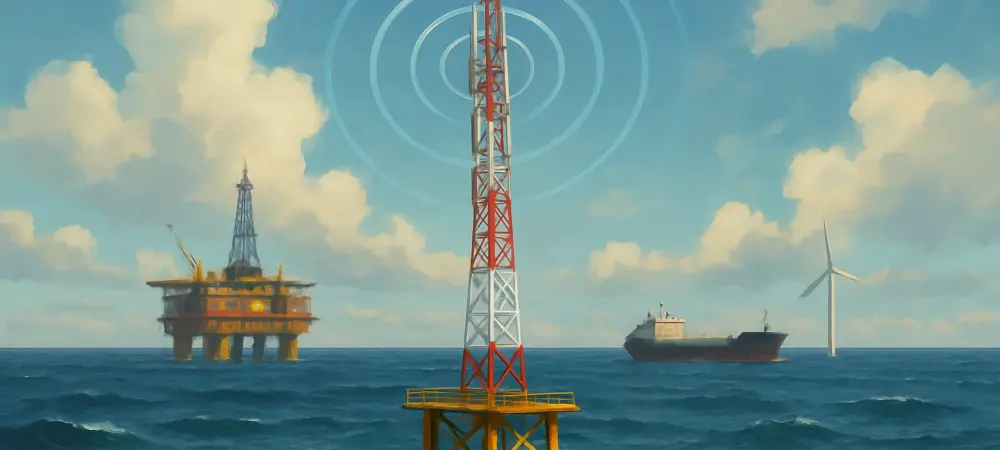
Imagine a world where offshore energy platforms, isolated in the vast expanse of the ocean, operate with the same digital precision and real-time connectivity as urban tech hubs. This scenario is no longer a distant dream but a tangible reality, thanks to the rapid deployment of 5G technology in some of the harshest environments on Earth. In regions like the Gulf of Mexico and the North Sea, energy producers are witnessing a revolution in how they manage operations, ensure safety, and drive sustainability. This transformation, led by innovative partnerships and cutting-edge solutions, is redefining the boundaries of what’s possible in remote industrial settings.
The Rise of 5G in Offshore Environments
The energy sector, particularly offshore operations, has long grappled with connectivity challenges due to geographic isolation and extreme conditions. Traditional communication systems often fall short, struggling with latency and limited bandwidth, which hampers real-time decision-making. However, 5G technology emerges as a game-changer, offering unprecedented speed and reliability to bridge these gaps. Its introduction into offshore settings marks a pivotal shift, enabling seamless data transmission even in the middle of the ocean, where connectivity was once a persistent barrier.
Moreover, the relevance of 5G extends beyond mere communication. It serves as a catalyst for digital transformation, empowering industries to adopt automation, enhance safety protocols, and optimize resource management. By addressing the unique demands of remote environments, this technology aligns with broader industry goals of efficiency and environmental responsibility. The focus now shifts to how specific features of 5G are tailored to meet these complex needs.
Key Features and Performance Analysis
High-Capacity, Low-Latency Networks for Offshore Operations
At the heart of 5G’s appeal in offshore settings lies its ability to deliver high-capacity and low-latency connectivity. Unlike previous generations of wireless technology, 5G can handle massive data volumes with minimal delay, a critical advantage for real-time applications like remote monitoring of drilling rigs. In the unpredictable conditions of the sea, where weather and distance pose constant challenges, this capability ensures that operators receive instant updates, facilitating swift responses to potential issues.
Furthermore, the performance of 5G under such extreme conditions has been remarkable. Tests in remote areas have demonstrated consistent connectivity, even during turbulent weather, allowing for uninterrupted communication between platforms and shore-based control centers. This reliability translates into tangible benefits, such as reduced downtime and enhanced operational precision, making 5G an indispensable tool for energy companies navigating harsh environments.
Private Wireless and Edge Computing Solutions
Another cornerstone of 5G offshore solutions is the integration of private wireless networks and edge computing. These components create a secure, localized network tailored to the specific needs of an offshore platform, minimizing reliance on distant data centers. By processing data closer to the source, edge computing slashes latency further, enabling instantaneous analysis for tasks like equipment diagnostics or safety alerts.
In practical terms, this setup boosts operational efficiency by reducing the time it takes to act on critical information. For instance, private networks ensure that sensitive data remains protected from external threats, a vital consideration in an industry prone to cybersecurity risks. The synergy between these technologies and 5G’s robust infrastructure offers a blueprint for scalable, secure connectivity in remote industrial hubs.
Real-World Impact in the Energy Industry
The deployment of 5G in offshore energy operations has already yielded impressive results, with applications spanning multiple facets of the industry. In projects across the Gulf of Mexico, companies have leveraged this technology for real-time remote monitoring, allowing engineers to oversee operations from shore without sacrificing accuracy. Predictive maintenance, powered by 5G’s data capabilities, has also emerged as a key use case, helping to anticipate equipment failures before they disrupt production.
Safety, a perennial concern in offshore work, benefits immensely from enhanced connectivity. Workers on platforms now have access to instant communication tools and wearable sensors that transmit vital data, ensuring rapid response to emergencies. Notable implementations, such as those in the North Sea, showcase how 5G supports video surveillance and automated safety systems, creating a safer environment for personnel in high-risk zones.
Beyond individual applications, the broader impact on the energy sector is evident in the push toward digitalization. Partnerships between technology leaders and connectivity providers have set new benchmarks, demonstrating how 5G can integrate with existing systems to drive innovation. These initiatives pave the way for a future where offshore platforms operate as fully connected, intelligent ecosystems.
Challenges Hindering Wider Adoption
Despite its promise, 5G offshore connectivity faces significant hurdles that temper its widespread implementation. Signal coverage remains a technical challenge, as extending reliable networks to distant ocean locations requires substantial infrastructure investment. Harsh environmental factors, like saltwater corrosion and extreme weather, further complicate the deployment of equipment needed for consistent performance.
Additionally, regulatory barriers around spectrum allocation pose obstacles, as governments and industry bodies must navigate complex licensing agreements to enable 5G expansion. Market dynamics also play a role, with the high cost of adoption deterring smaller operators from embracing the technology. Addressing these challenges demands collaborative efforts between tech providers, regulators, and energy companies to ensure scalability and accessibility.
Looking Ahead: The Future of Offshore 5G
The trajectory of 5G in offshore environments points toward exciting possibilities, with potential for expanded coverage over the coming years. Emerging technologies, such as satellite integration and advanced antenna systems, could further enhance connectivity, reaching even the most isolated platforms. This evolution promises to unlock new applications, from fully autonomous rigs to comprehensive environmental monitoring.
Equally important is the alignment of 5G with sustainability goals. As the energy sector strives to reduce its carbon footprint, optimized operations enabled by real-time data could minimize waste and energy consumption. Over the next few years, from now through 2027, expect to see increased investment in hybrid solutions that blend 5G with other innovations, cementing its role as a cornerstone of industrial progress.
Final Thoughts on a Connectivity Revolution
Reflecting on the journey of 5G in offshore environments, the strides made through strategic collaborations and pioneering projects stood out as monumental. The technology redefined operational standards, bringing safety and efficiency to the forefront of energy production in remote seas. Each deployment, from early trials to expansive rollouts, underscored a commitment to overcoming the toughest connectivity challenges.
Looking back, the groundwork laid by these efforts offered a clear path for actionable next steps. Industry stakeholders should prioritize partnerships that bridge technical and financial gaps, ensuring broader access to 5G solutions. Simultaneously, advocating for streamlined regulatory frameworks could accelerate adoption, while continued innovation in infrastructure resilience would sustain long-term growth. These steps, rooted in lessons from past achievements, promised to shape a future where offshore connectivity knew no bounds.