

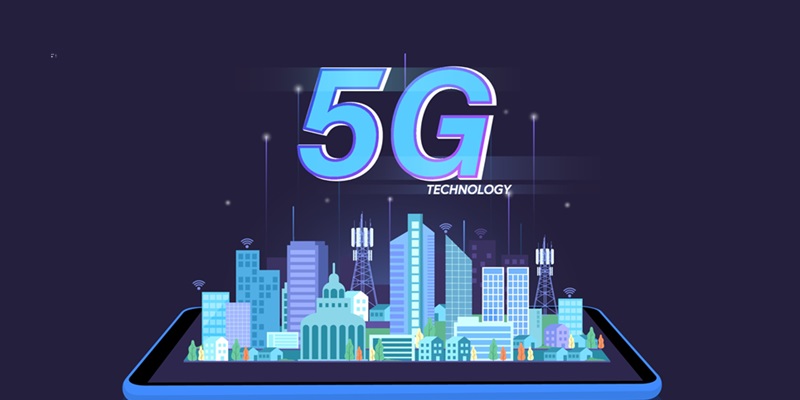
In today’s rapidly progressing digital landscape, the importance of 5G networks cannot be overstated. The transition from 4G to 5G promises groundbreaking advancements in speed, latency, and capacity, revolutionizing the way we connect and communicate. Let’s delve into the advantages and implications of 5G networks and explore how they will shape the future.
Speed
One of the most significant advantages of 5G networks is their speed. Compared to 4G, 5G is expected to be up to 100 times faster, reaching speeds of up to 20 gigabits per second. This extraordinary speed will transform the way we interact with technology, offering instant access to data, applications, and content.
Low Latency
Another major advantage of 5G networks is their lower latency. Latency refers to the time it takes for data to travel from one device to another. While 4G networks typically have a latency of around 30-50 milliseconds, 5G networks are expected to reduce it to as low as 1 millisecond. This ultra-low latency makes real-time communication and quick response rates possible, enhancing user experiences across various applications.
Greater Capacity
5G networks outperform previous wireless technologies by offering greater capacity. They can support a significantly larger number of devices and handle enormous amounts of data simultaneously without compromising speed or connection quality. This increased capacity will be instrumental in accommodating the growing demand for data and the explosive rise of Internet of Things (IoT) devices.
Implications of 5G Networks
The speed, low latency, and greater capacity of 5G networks set the stage for a multitude of transformative applications and services that were not feasible before. Let’s explore some of these exciting implications.
Internet of Things (IoT)
The widespread connectivity and efficient data handling of 5G enable the IoT to become more pervasive and connected. With billions of devices communicating in real-time, 5G networks lay the foundation for a world where everyday objects, from home appliances to vehicles, seamlessly interact, providing us with smarter, more efficient, and safer environments.
Augmented Reality
With 5G, augmented reality (AR) technology becomes more feasible and immersive. By overlaying digital information onto the physical world, 5G-powered AR applications can revolutionize industries like gaming, retail, education, and entertainment. From interactive virtual showrooms to enhanced educational experiences, the possibilities are endless.
Remote Surgery
5G networks facilitate the concept of remote surgery, where surgeons can operate on patients from a distant location. The enhanced speed, low latency, and reliable connectivity of 5G enable real-time transmission of high-quality video and medical data, revolutionizing healthcare accessibility and enabling life-saving procedures in remote areas.
Economic Impact of 5G
The implications of 5G extend beyond technological advancements. The global economy is expected to witness a significant boost from the adoption of 5G networks. According to research, 5G is projected to contribute a staggering $13.2 trillion to the global economy by 2035. This immense economic potential reflects the transformative power of 5G networks across various industries and sectors.
The advantages and implications of 5G networks are truly remarkable. The unparalleled speed, ultra-low latency, and greater capacity of 5G technology will revolutionize the way we connect, communicate, and interact with the digital world. From empowering the Internet of Things to enabling augmented reality experiences and facilitating remote surgeries, 5G networks are poised to create a future that was once only imaginable. With its projected economic impact, 5G is not just a game-changer for technology but for the global economy as well. Buckle up for the 5G revolution – a world of limitless possibilities awaits us.