

Navigating the labyrinth of modern labor laws requires more than just a standard legal counsel; it demands a real-time diagnostic approach to mitigate the risk of ruinous tribunal awards. The emergence of automated workplace compliance assessment tools represents a significant advancement in the human resources and legal technology sectors. This review explores the evolution of this technology, particularly in response to shifting labor laws, its key features, and its impact on organizational risk management. The purpose is to provide a thorough understanding of the current capabilities of these tools in streamlining legal obligations.
The Shift Toward Proactive Regulatory Technology
The core principle behind this technology lies in diagnostic risk assessment, where software serves as a living auditor of company culture. In the context of the October 30 British labor law mandate, businesses are now required to take “all reasonable steps” to prevent harassment. This shift forced a move from static policy documents to dynamic, data-driven compliance frameworks that can prove active prevention rather than just passive existence.
By moving away from standard handbooks, organizations can now implement technology that evolves alongside changing legislation. This transition is essential as the broader technological landscape moves toward automation, requiring companies to provide verifiable evidence of their compliance efforts.
Core Architecture of Modern Assessment Tools
Automated Diagnostic Frameworks and Scoring Engines: The Mechanics
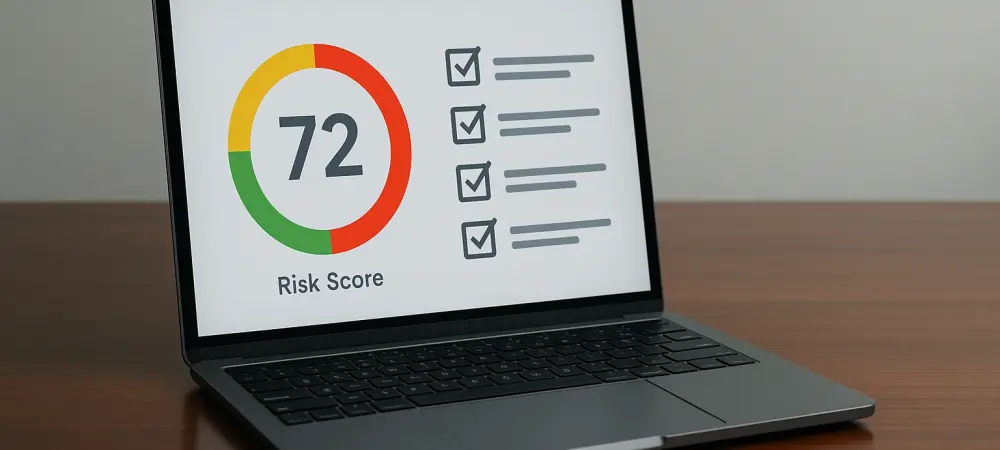
Modern tools like the Reasonable Steps Checker utilize a structured 17-question architecture to dissect organizational readiness. By answering targeted queries, businesses generate a real-time score that reflects their current vulnerability. This implementation matters because it replaces guesswork with a quantifiable metric, allowing HR departments to identify specific gaps in their protective measures before a legal challenge occurs.
Multi-Vector Compliance Monitoring: Beyond Policies
These tools monitor ten distinct organizational vectors, including policy clarity and evidence collection. This multi-vector approach is unique because it accounts for external interactions with clients and contractors, which are often overlooked in traditional internal audits. By digitizing the collection of evidence, the tool ensures that an organization remains prepared for the forensic scrutiny of a potential tribunal.
Emerging Trends in HR Compliance and RegTech
A significant development in the field is the widespread adoption of “Red-Amber-Green” status reporting. This visualization allows executives to see at a glance where their defenses are failing. There is an increasing demand for tools that translate complex legal jargon into actionable business operations, effectively democratizing compliance across all levels of management.
Practical Deployment and Industry-Specific Use Cases
In the UK business sector, these tools have become indispensable for meeting harassment prevention mandates. Use cases show that the technology is particularly effective at identifying vulnerabilities in high-pressure environments where third-party interactions are frequent. By flagging high-risk scenarios involving external contractors, companies can implement targeted training where it is most needed.
Navigating Regulatory Ambiguity and Technical Limitations
However, the technology faces a hurdle in the inherent subjectivity of the “all reasonable steps” legal standard. While a digital engine can track training completion, measuring a genuine shift in workplace culture remains a complex challenge. Ongoing development efforts focus on refining diagnostic accuracy to help organizations avoid the 25% increase in tribunal awards that accompanies a failure of duty.
The Evolution of Cultural and Structural Oversight
The trajectory of this technology points toward AI-driven predictive modeling for workplace safety. Future developments will likely involve standardized digital assessments that influence global labor standards. This structural oversight provides a blueprint for a more secure corporate environment, where safety is integrated into the technological stack rather than treated as a separate administrative task.
Final Evaluation of Compliance Assessment Innovation
The emergence of these tools represented a critical step in simplifying complex legal transitions during a period of high regulatory uncertainty. They provided a structured pathway for organizations to move away from reactive damage control. Ultimately, the innovation demonstrated that a proactive, data-centered approach was the most effective way to foster safety and ensure long-term corporate governance.