

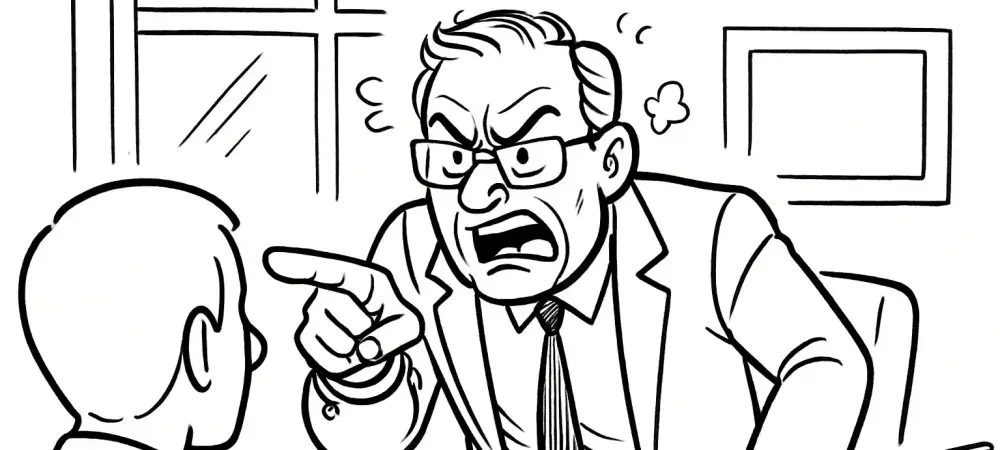
Have you ever watched a talented colleague shrink under the weight of a toxic manager, their voice fading despite their obvious potential, while they sit through meetings without uttering a word? Picture this: a high-performing employee, brimming with ideas, loses confidence due to subtle jabs and impossible demands. This scenario plays out in workplaces across industries, where bad bosses wield quiet sabotage as a weapon, leaving even the best workers questioning their worth. The silence of good employees isn’t just a personal failing—it’s a systemic issue that costs companies talent and innovation.
The Cost of Staying Quiet
The phenomenon of employees remaining mute under poor leadership is more than an individual struggle; it’s a critical workplace problem with far-reaching consequences. Research from Gallup reveals that managerial behavior accounts for up to 70% of the variance in employee engagement, meaning bad bosses directly fuel disengagement and turnover. When good employees stay silent, organizations lose valuable input, creativity suffers, and toxic cultures fester. Understanding why this happens is essential to addressing a dynamic that harms both individuals and the bottom line.
The Hidden Toll of Subtle Sabotage
Subtle sabotage often masquerades as oversight or tough management. It’s not always a shouting match or public humiliation; instead, it’s the missed memo that leaves an employee unprepared, the credit for a project redirected to someone else, or the last-minute task with no realistic deadline. These small acts accumulate, creating a pattern that chips away at self-esteem. Employees caught in this cycle may not even recognize the manipulation at first, but the constant undermining trains them to keep their heads down.
The impact extends beyond a single interaction. When a manager consistently shifts expectations or delivers vague criticism, it fosters a sense of helplessness. Employees begin to internalize the doubt, wondering if they’re the problem rather than seeing the behavior for what it is—a deliberate or unconscious tactic to maintain control. This dynamic traps talent in a loop of frustration, where speaking up feels futile.
Why Silence Feels Like the Only Option
Several factors converge to mute even the most capable workers under bad leadership. Fear of retaliation tops the list; many worry that challenging a boss will result in harsher treatment, exclusion from opportunities, or even job loss. The risk of confrontation often seems greater than any potential gain, especially in environments where power imbalances are stark.
Beyond fear, eroded confidence plays a significant role. Subtle sabotage, like inconsistent feedback or public dismissal of ideas, can make high performers second-guess their abilities. Cultural norms also contribute—some workplaces view questioning authority as defiance, conditioning employees to stay quiet. Additionally, a lack of psychological safety, as defined by Harvard’s Amy Edmondson, means workers avoid risks like sharing concerns, opting for self-protection over engagement. Isolation tactics, such as excluding targets from key conversations, further cement this silence by cutting off support networks.
Voices from the Trenches
Expert insights and personal stories shed light on the depth of this issue. Edmondson’s research on psychological safety shows that without a culture where mistakes and dissent are tolerated, employees withhold critical feedback, stifling innovation. A recent study by a leading workplace analytics firm found that nearly 60% of workers have experienced undermining behavior from a manager, with many choosing silence as a coping mechanism.
Real-world accounts bring these numbers to life. A marketing specialist shared how her boss would ignore her proposals in team meetings, only to praise the same ideas when presented by a favored peer. Over time, she stopped contributing, feeling her voice didn’t matter. Such experiences highlight a painful truth: silence under bad bosses isn’t a sign of weakness but a learned response to a broken system where speaking up carries too high a cost.
Breaking Free Without Risking It All
Navigating the challenge of a toxic boss requires strategic steps that protect both mental well-being and career prospects. Staying composed is paramount—when faced with criticism or sabotage, employees should ask clarifying questions like, “Could you specify what needs adjustment?” This approach keeps discussions professional and forces accountability without escalating tension. Documentation serves as a powerful tool. Keeping records of instructions, deadlines, and interactions through emails or private logs creates a factual trail. This not only guards against misrepresentations but also provides evidence if issues need to be escalated. Building a support network is equally vital—trusted colleagues or mentors can offer perspective, while external industry connections remind employees of their broader worth and potential opportunities.
Focusing on personal growth offers another layer of defense. Engaging in skill-building activities or taking on new projects can rebuild confidence eroded by sabotage. Simultaneously, keeping a resume updated and exploring healthier workplace cultures ensures options remain open. Reframing the experience as a chance to develop resilience, while privately logging achievements, helps maintain a sense of self-value despite external attempts to diminish it.
Turning Pain into Power
Reflecting on the countless stories of employees muted by bad bosses, it became clear that silence was often a shield, not a surrender. Those who endured subtle sabotage learned to spot patterns, honing their ability to navigate complex dynamics. They documented interactions meticulously, building defenses that protected their integrity.
Allies proved invaluable, offering validation when confidence wavered. Many redirected their energy into skill development, transforming adversity into stepping stones for growth. For those who faced such challenges, the next step was to advocate for change—whether by fostering psychological safety in their current roles or seeking environments that valued their voices. Moving forward, embracing professionalism and resilience remained the ultimate rebuttal to any attempt at diminishment.