

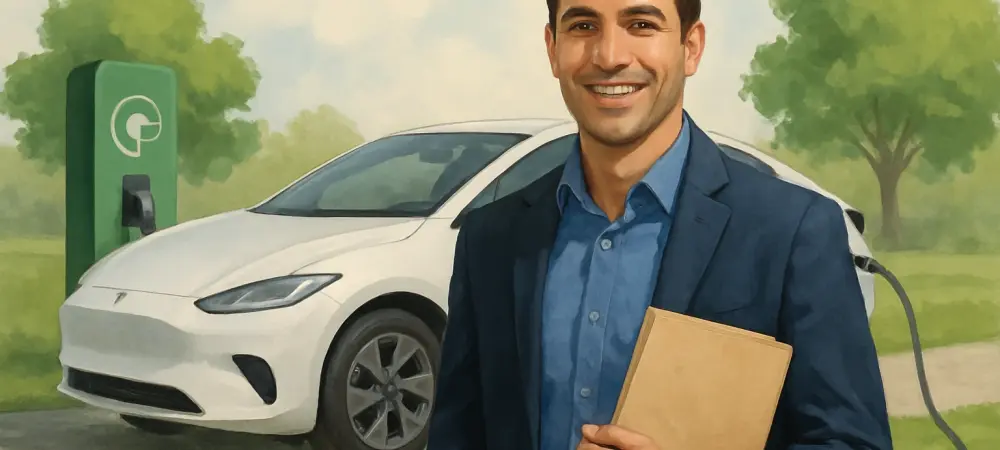
In an era where employee expectations are rapidly evolving, a surprising trend has emerged across the United Kingdom, capturing the attention of human resources departments and corporate leaders alike with its innovative approach to workplace perks. More and more companies are integrating electric vehicles (EVs) into their benefits packages, signaling a shift toward unique incentives that resonate with modern workforce demands. This development isn’t just about offering a shiny new car; it reflects a deeper alignment with sustainability goals, financial practicality, and competitive talent strategies. As environmental concerns grow and regulatory landscapes shift, HR teams are finding that EVs serve as a powerful tool to address multiple priorities at once. This move is reshaping how benefits are perceived, turning a traditional perk into a statement of corporate responsibility and employee care. What drives this growing adoption, and how does it benefit both employees and employers? The answers lie in a blend of economic incentives, environmental commitments, and strategic workforce planning.
Evolving Employee Expectations and Financial Incentives
Aligning Benefits with Modern Values
The landscape of employee benefits has undergone a significant transformation, moving beyond mere salary increases to encompass perks that mirror personal values and practical needs. Electric vehicles have emerged as a standout option, appealing to workers who prioritize sustainability and cost efficiency. Through programs like salary sacrifice, employees can lease EVs at a fraction of the usual cost, often saving up to 60% due to tax breaks and reduced National Insurance contributions. This financial advantage, coupled with lower Benefit-in-Kind rates compared to conventional cars, positions EVs as a smart choice. Moreover, the predictability of expenses adds to their allure, as many packages bundle insurance, servicing, and road tax into a single, manageable cost. For employees, this translates into a hassle-free driving experience that aligns with eco-conscious values while easing the burden of daily commuting expenses, making it a benefit that feels both progressive and personal.
Enhancing Convenience and Reducing Costs
Beyond the alignment with green principles, the convenience factor of EV benefits cannot be overstated. Comprehensive packages often cover unexpected motoring costs, such as breakdown assistance, ensuring employees face fewer financial surprises. This stability is particularly appealing in a time when economic uncertainty looms large for many. Additionally, the reduced running costs of electric vehicles—thanks to cheaper electricity compared to fossil fuels—further sweeten the deal. For HR teams, offering such a perk demonstrates an understanding of the modern employee’s desire for benefits that deliver tangible value rather than superficial gestures. It’s a strategic move that not only boosts morale but also positions the company as a forward-thinking employer. By addressing both the practical and ideological needs of the workforce, EVs are redefining what a meaningful benefit looks like, paving the way for a new standard in employee compensation that prioritizes long-term savings and ease of use.
Corporate Strategies and Broader Impacts
Driving Sustainability and Regulatory Preparedness
A key motivator behind the integration of electric vehicles into benefits packages is the alignment with corporate sustainability objectives. As environmental responsibility becomes a benchmark for corporate reputation, companies are under increasing pressure to reduce their carbon footprint. Offering EVs to employees directly contributes to this goal by cutting down on emissions associated with traditional gasoline and diesel vehicles. This initiative also positions businesses favorably in the eyes of investors and customers who value green practices. Furthermore, with the UK government’s plans to phase out new sales of fossil fuel cars in the coming years, adopting EV benefits now prepares companies for inevitable regulatory shifts. It’s a proactive step that showcases adaptability and a commitment to future-proofing operations, ensuring compliance with evolving environmental standards while enhancing the company’s image as a leader in sustainable innovation.
Boosting Recruitment and Retention Efforts
In today’s competitive job market, unique benefits like access to electric vehicles serve as a powerful differentiator for employers. Such perks signal innovation and employee-centric policies, making companies stand out to prospective talent in crowded industries. For current staff, the financial savings and convenience of EV programs foster a sense of loyalty, as these benefits provide real, everyday value that less practical incentives often lack. HR teams have noted that tangible perks can have a more lasting impact on employee satisfaction than temporary bonuses or one-off rewards. By embedding EVs into their benefits structure, companies not only attract top talent but also create a workplace culture that values long-term employee well-being. This dual advantage in recruitment and retention underscores the strategic importance of EV programs, turning a simple benefit into a cornerstone of talent management that supports both individual and organizational growth.
Streamlining Implementation for HR Efficiency
From an operational standpoint, rolling out EV benefits has become increasingly feasible for HR teams due to partnerships with specialized providers. These collaborations handle the complexities of vehicle supply, contract management, and ongoing support, minimizing administrative burdens. Flexible leasing options and a diverse range of vehicle models ensure that the benefit appeals to employees at all levels, from junior staff to senior executives. This scalability is crucial for widespread adoption within a company, as it accommodates varying needs and preferences. For HR departments, the focus shifts from managing logistics to facilitating access, allowing them to prioritize employee engagement over operational details. This streamlined approach not only makes EV programs practical but also reflects a broader trend of leveraging external expertise to enhance internal offerings, ensuring that such initiatives are sustainable and effective in the long run.
Reflecting on a Sustainable Shift in Benefits
Looking back, the adoption of electric vehicles as employee benefits by UK HR teams marked a pivotal moment in the evolution of workplace perks. It represented a thoughtful response to the dual challenges of meeting employee expectations and advancing corporate sustainability. The financial savings and convenience delivered to workers, alongside the environmental benefits for companies, created a harmonious balance between individual and organizational goals. As this trend gained traction, it became clear that such initiatives were more than a fleeting novelty; they embodied a lasting shift toward value-driven benefits. Moving forward, businesses were encouraged to explore similar innovative solutions, partnering with providers to simplify implementation while staying ahead of regulatory changes. The focus remained on crafting benefits that resonated deeply with employees, ensuring that future perks would continue to reflect both practical needs and broader societal priorities.