

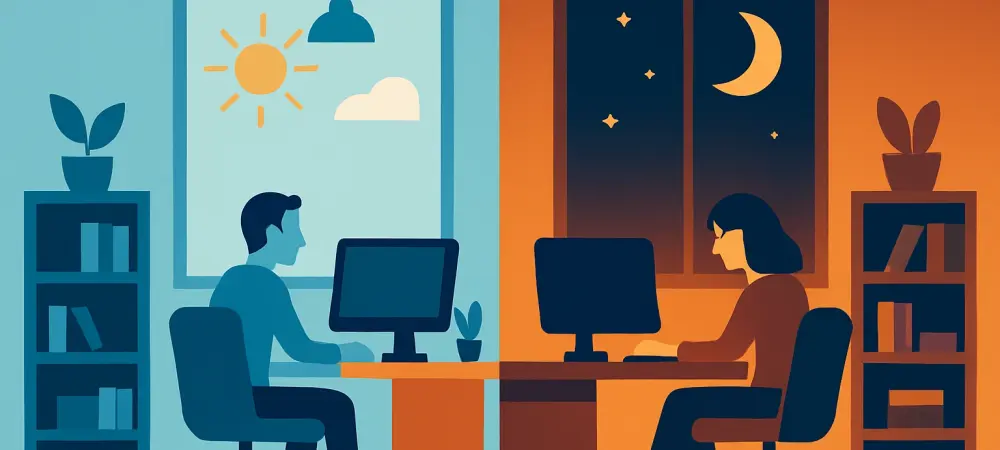
The relentless hum of the modern workplace often operates on a schedule designed for industrial-era machinery, not for human biology, silently clashing with the ancient, biological rhythms that govern our peak performance and well-being. This disconnect between the rigid 9-to-5 workday and our internal clocks is no longer a fringe wellness topic; it has become a critical business conversation. The standardized workday, a relic of a bygone era, is now being exposed as a hidden drag on productivity, innovation, and employee health.
In an economic landscape still shaped by the “Great Resignation” and widespread reports of professional burnout, companies are urgently seeking sustainable competitive advantages. Consequently, aligning work schedules and environments with natural human cycles is rapidly shifting from a niche concept to a core strategic imperative. Forward-thinking organizations now recognize that respecting employees’ chronobiology is not just an empathetic gesture but a direct pathway to enhanced cognitive function, reduced error rates, and a more resilient workforce.
This analysis will explore the key drivers behind this emerging trend. It will examine the compelling data revealing the high costs of circadian misalignment, showcase practical applications in diverse industries, and synthesize insights from leading experts in science and business. Finally, it will project the future trajectory of this movement, forecasting how a deeper understanding of our internal clocks will fundamentally reshape the workplace.
The Rise of Circadian Science in the Workplace
Data-Driven Momentum The Growing Evidence
The business case for circadian alignment is built on a solid foundation of economic and health data. The costs associated with sleep deprivation and circadian disruption are staggering, creating a significant drain on national economies. Reports from institutions like the American Academy of Sleep Medicine quantify these costs through increased workplace accidents, higher rates of absenteeism, and a rise in chronic health conditions that drive up insurance premiums. This evidence refutes the notion that sleep is a personal matter, reframing it as a critical component of organizational risk management and operational efficiency.
This growing awareness is fueling a surge in the corporate wellness market, which is expanding beyond traditional fitness programs to include sophisticated solutions for sleep and environmental health. Market analysis reveals a distinct year-over-year growth in corporate spending on programs and technologies designed to support natural rhythms. Investment is flowing into solutions like flexible scheduling software that accommodates different chronotypes and human-centric lighting systems that dynamically adjust to mimic the natural progression of daylight, signaling a clear market trend toward biologically-aware workplace design.
Circadian Rhythms in Action From Theory to Practice
Leading technology companies, known for their focus on optimizing cognitive output, are at the forefront of implementing “chronotype-flexible” work schedules. Recognizing that innovation does not adhere to a rigid timetable, these firms are empowering employees to structure their workdays around their personal peaks of productivity. This approach allows “early birds” to begin and end their days sooner, while “night owls” can leverage their most creative hours in the late afternoon and evening, resulting in a more engaged and effective workforce.
This trend is not confined to the tech sector. In industries with 24/7 operations, such as manufacturing and healthcare, circadian principles are being applied to enhance safety and alertness. Progressive facilities are installing dynamic lighting systems that bathe night shift workers in blue-enriched light to promote wakefulness and then transition to warmer, amber hues toward the end of a shift to ease the transition to sleep. This strategy has been linked to fewer on-the-job errors and improved well-being for employees working non-traditional hours.
Innovative products are also entering the market to facilitate this alignment at both an individual and architectural level. Wearable devices now offer personalized recommendations on ideal times for light exposure, physical activity, and rest, empowering employees to manage their own energy cycles. Simultaneously, architectural technologies like smart glass, which automatically adjusts its tint throughout the day to control light intensity and color temperature, are being integrated into new office designs to create environments that passively support the circadian health of all occupants.
Expert Perspectives on Biological Clocks at Work
Insights from leading sleep scientists confirm that disrupting the body’s natural clock has a direct and measurable impact on the cognitive functions essential for business success. Researchers emphasize that when the circadian system is misaligned—a state often referred to as “social jetlag”—the brain’s executive functions are among the first to suffer. This impairment manifests as diminished decision-making capacity, reduced creative problem-solving skills, and poor emotional regulation, all of which can be detrimental in a high-stakes corporate environment.
From an organizational psychology standpoint, the link between circadian health and key performance indicators is becoming undeniable. Experts in this field argue that workplaces failing to support employees’ biological needs inadvertently foster environments of low engagement and high turnover. When employees are chronically tired and misaligned with their natural rhythms, they are more likely to feel disengaged and unsafe, psychologically and physically. Conversely, a culture that prioritizes restorative rest and schedule flexibility builds trust and demonstrates a genuine commitment to employee well-being, which is a powerful driver of retention.
This strategic view is echoed by forward-thinking business leaders who have already implemented circadian-friendly policies. One CEO who championed a move to a more flexible, results-oriented work schedule reported a marked improvement in both innovation and collaboration. By removing the stress of a rigid schedule, teams became more autonomous and proactive. The leader noted that this shift not only boosted productivity but also cultivated a more positive and resilient company culture, proving that aligning with human biology can yield a significant return on investment.
The Future of Work A Circadian-Aligned Forecast
Potential Developments
Looking ahead, the integration of technology will likely lead to hyper-personalized work environments. Artificial intelligence could soon be used to design dynamic team schedules that optimize for the collective chronobiology of a group, aligning project timelines with periods of peak collaborative energy. Furthermore, the ethical integration of non-invasive biometric data from wearables could allow workplace management systems to proactively identify signs of fatigue and burnout, prompting interventions before productivity and health are compromised.
Broader Implications
The impact of this trend will extend far beyond individual office buildings. In commercial real estate, biophilic design—which incorporates natural light, living plants, and other elements of the natural world—will become a standard expectation for premium office spaces. The healthcare sector will likely see a greater emphasis on preventative care programs that educate on sleep hygiene and circadian health as a means to reduce the incidence of chronic diseases. This awareness may even influence urban planning, with cities re-evaluating street lighting policies to reduce light pollution that disrupts the sleep cycles of entire communities.
Benefits and Challenges
The potential benefits of a widespread shift toward circadian-aligned work are profound, promising a healthier, more productive, and more creative workforce alongside reduced national healthcare expenditures. However, this transition is not without its challenges. The use of biometric data raises significant ethical questions regarding employee privacy and the potential for data misuse, requiring robust policies and transparent communication. Moreover, organizations must ensure that flexible work arrangements are implemented equitably, preventing a two-tiered system where such benefits are only available to certain roles or levels within the company.
Conclusion Synchronizing Success with Our Internal Clocks
This analysis has highlighted the evidence-based ascent of circadian science from a niche field of study to a central pillar of modern business strategy. It showed how concrete data on the costs of misalignment has spurred practical applications in industries ranging from technology to healthcare. The consensus among scientists, psychologists, and pioneering business leaders underscored the profound connection between biological rhythms and organizational success. Ultimately, the trend of managing workplace circadian rhythms has moved beyond the realm of employee perks to become a fundamental component of a sustainable, high-performance operational model. It represented a strategic acknowledgment that an organization’s greatest asset—its people—performs best when its internal biology is synchronized, not suppressed. Leaders are now urged to conduct an audit of their own organization’s “temporal culture,” asking how they can better support the well-being of their workforce to unlock the immense potential that lies dormant in a well-rested, biologically aligned team.